
Is Your Preschooler Ready for Soccer? 5 Key Signs
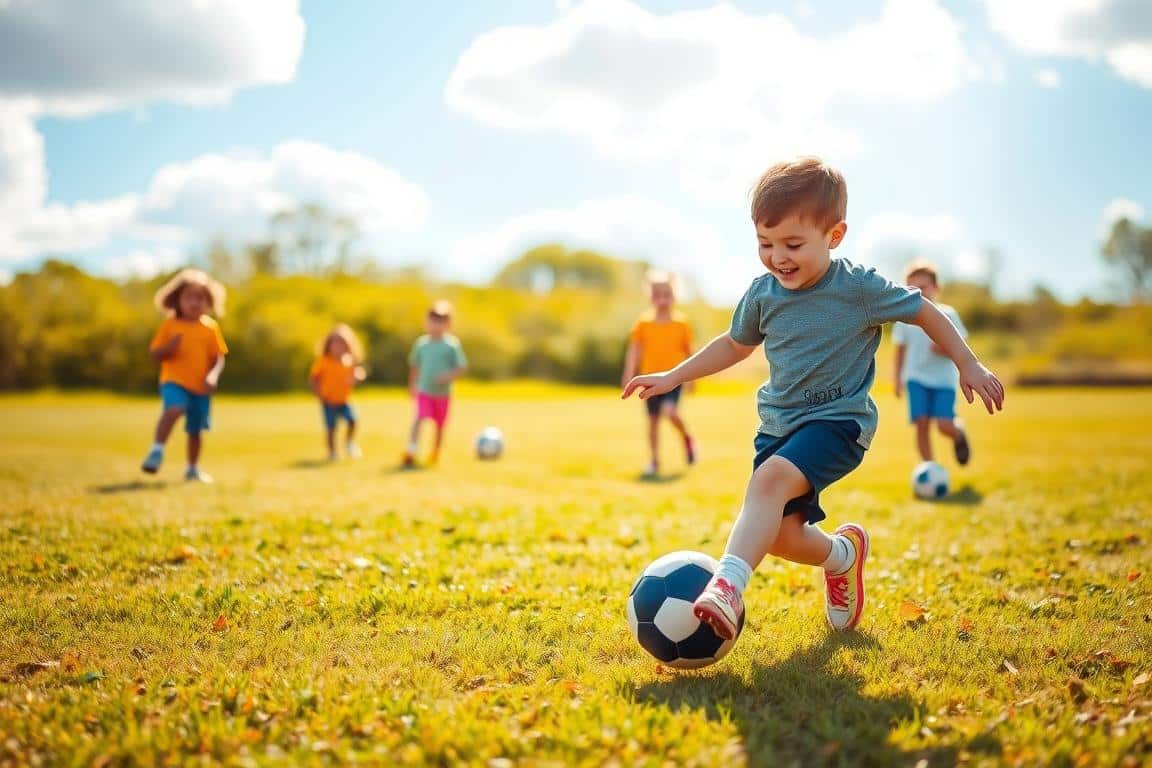
I use the phrase signs your preschooler is ready for soccer to frame a simple, friendly checklist that helps parents decide when to try classes.
I watch how a child follows two- or three-step directions and how much they light up around a ball. Short, playful sessions between ages three and five often work best. Programs like San Francisco Super Soccer Stars focus on movement and fun, not drills or competition.
Think of readiness as a mix of interest, growing focus, and a joyful feel during play. I’ll show the five quick cues to look for, how the early experience should feel, and how to pick local options that keep things pressure-free. This way, starting the sport can stay fun and simple.
Key Takeaways
- Look for curiosity about the ball and playful participation.
- Short bursts of activity work best for attention and learning.
- Focus and following basic directions show developing readiness.
- Age matters less than a positive, pressure-free experience.
- Choose programs that emphasize movement, social play, and fun.
Quick Guide: What “Ready for Soccer” Looks Like at Preschool Age
Let’s break down what playful soccer looks like for ages three to five. I focus on simple play and short sessions. The idea is movement, smiles, and tiny wins.
Focus on play, fun, and simple rules
Play leads the session. Coaches use basic games that teach ball familiarity. Rules stay few and clear so a child can follow simple directions without stress.
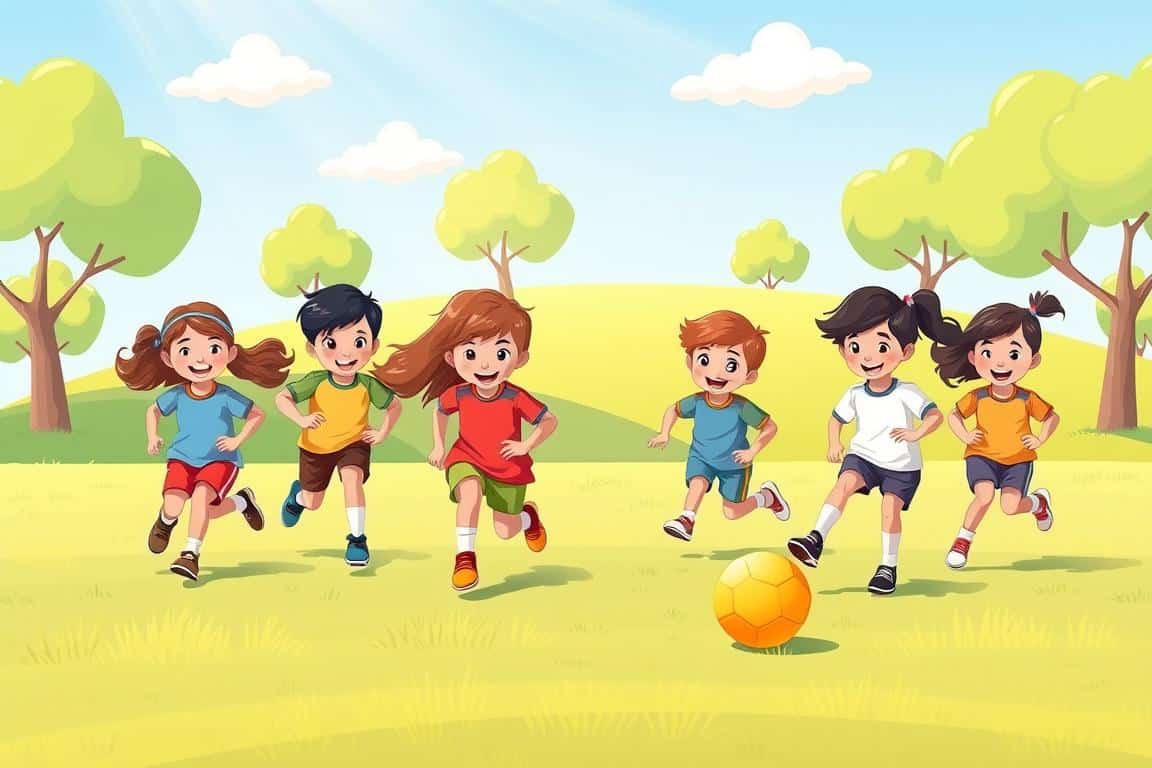
Short group activities in a friendly environment
Sessions run about 30–45 minutes. Groups are small and the field is compact. Coaches break tasks into one, two, or three steps to keep focus.
- Small circles and quick rotations keep attention.
- Cones mark safe zones on the field for easy starts and stops.
- Coaches use upbeat tone, quick water breaks, and frequent role changes.
| Feature | What to Expect | Why it Helps |
|---|---|---|
| Session length | 30–45 minutes | Keeps energy high and attention steady |
| Group size | Small groups (5–8) | More turns and social play |
| Coaching style | Light, upbeat, step-based instructions | Builds confidence and clear learning |
If you want a quick read on basic rules, see basic rules for kids. Programs that keep pressure low and pace brisk fit this age best.
5 Signs Your Preschooler Is Ready for Soccer
These five cues are easy to spot during play and at home. I keep them concrete so you can spot patterns without pressure.
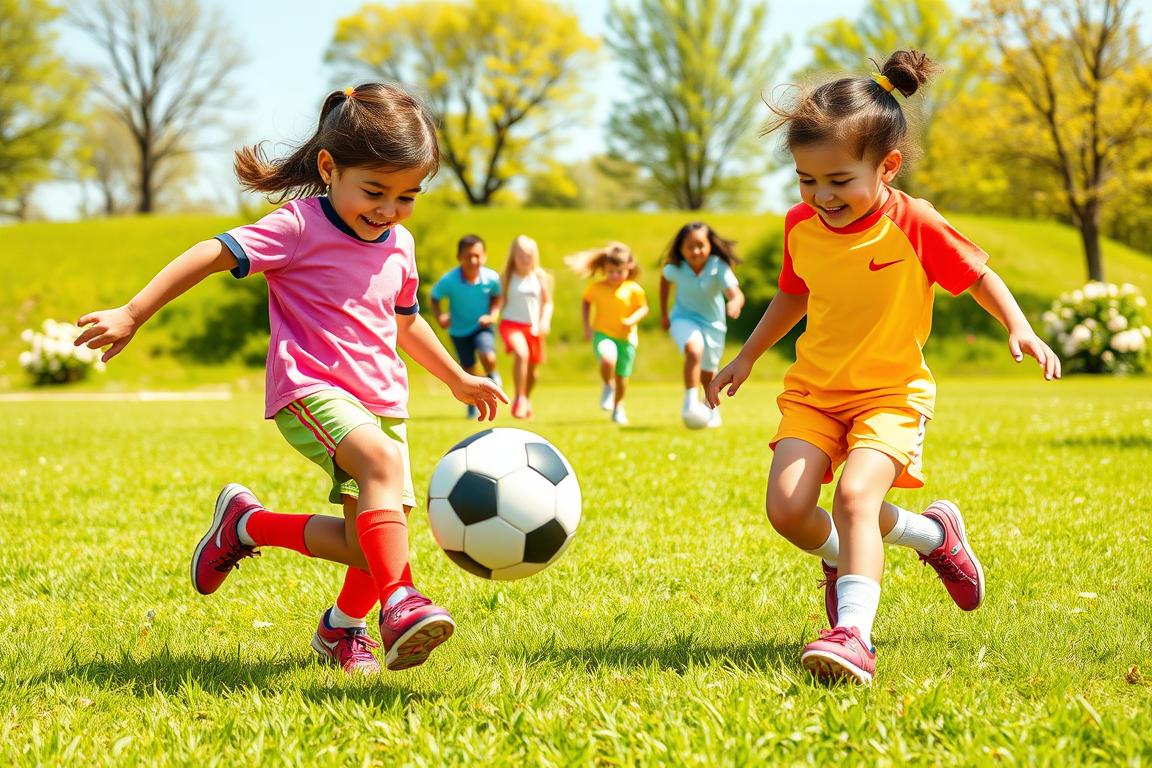
Shows real interest in the ball and the game
They bring a ball to play, kick in the yard, or smile when a ball rolls by. Small moments—watching a clip or naming a move—count too.
Can follow simple two- or three-step directions
They usually do short sequences like “tap the ball, stop it, then high-five.” That ability helps coaches teach games in clear steps.
Has basic motor skills: running, kicking, and balance
Steady running, simple kicks with either foot, and basic balance during turns make drills feel fun, not frustrating.
Stays engaged in short group activities and listens to coaches
They focus for a few minutes, try a demo, then reset after a quick break. Coaches use short steps and upbeat cues to keep interest.
Feels comfortable with peers and enjoys team play
Sharing space, passing, or playing tiny goal games shows ease with others and early teamwork. Brief lapses in attention are normal.
- Quick tip: Praise effort, not perfection, and keep sessions playful to help a child build confidence and joy in sports.
| Sign | What to Watch For | Why It Helps |
|---|---|---|
| Interest in ball | Brings ball, asks to play | Drives practice and engagement |
| Can follow directions | Completes 2–3 step tasks | Makes drills teachable |
| Motor skills | Runs, kicks, keeps balance | Supports skill growth safely |
How These Signs Support Healthy Development
Simple ball games spark big progress in how a child moves and interacts with others. I’ll show practical class moments that match each benefit. The goal is clear: fun plus steady growth.
Coordination, agility, and body awareness grow through play
Play builds coordination as kids run, stop, and change direction with the ball. Coaches use short drills that repeat basic moves.
Weave-through cone drills and gentle passes boost agility. Small foot taps and toe touches train body awareness.
Teamwork, sharing, and confidence build in a group setting
Group games teach teamwork. Taking turns, passing, and cheering others are simple actions. These moments help children learn to share space and listen.
Confidence grows with tiny wins like stopping the ball or scoring a mini goal. Over weeks, effort links to progress and a lasting love of sport.
- Skills: short, repeatable tasks make motor learning feel easy.
- Benefits: social wins and better self-control appear in play.
- Foundation: these activities set a base for later sports and school learning.
| Action in Class | Immediate Gain | Long-Term Benefit |
|---|---|---|
| Cone weaving | Improves agility | Better coordination |
| Short passing drills | Builds teamwork | Stronger social skills |
| Mini goal tasks | Boosts confidence | Love of sport and activity |
Finding the Right Preschool Soccer Program in the United States
A good program makes the first experience simple and fun. I look for classes that favor play over competition. That way kids learn without pressure and stay interested.
Pick age-appropriate sessions that keep it fun over competition
Choose programs that list ages 3–5 and that use playful themes. Short, rotating games match this age and keep attention. Aim for classes that celebrate small wins and exploration.
Look for patient coaches who use clear, simple instructions
Good coaches cue two- or three-step actions and show quick demos. They praise effort and treat mistakes as learning moments. This warm approach builds confidence and steady progress.
Check class length, group size, and field setup
Ideal class time is 30–45 minutes with water breaks and fast activity switches. Small groups give more reps and feedback. A cone-marked field with mini goals and safe zones keeps play clear and secure.
Set expectations: short, positive steps and plenty of encouragement
Confirm that rules are few and simple, like “stop the ball,” “freeze,” and “high-five a teammate.” Look for programs that offer beginner and mixed-level options so each child can grow at their own pace.
- Try a trial class to see the environment and how coaches work with kids.
- Ask to observe a session so you can check group size, time, and field layout.
- Look for a welcoming team that invites parents and supports a calm first day.
| What to Check | Good Range | Why it Matters |
|---|---|---|
| Program age | Ages 3–5 listed | Matches attention span and skill level |
| Class time | 30–45 minutes | Keeps energy steady and focus high |
| Group & field | Small groups; cone-marked field | More reps, clear space, safer play |
| Coach style | Patient, 2–3 step cues | Teaches skills in a calm, fun way |
If you want one practical next step, book a trial or read an equipment guide to prepare for the first class.
Conclusion
Here’s a short, friendly plan to move from noticing cues to trying a low-pressure class.
If the five signs match what you see, a child ready path is clear: book a short, playful session with patient coaches and small groups.
Start with game-first activities that focus on tiny wins. This helps children build coordination, basic skills, and steady development without pressure.
Pick times that fit family life, watch for interest spikes during activities, and let play guide how often you try classes. The benefits reach beyond the ball—confidence, social ease, and a healthy foundation for sports follow.
I’m cheering you on—start small, keep it fun, and let team play lead the way.