
Easy Soccer Stretching Routines for Kids
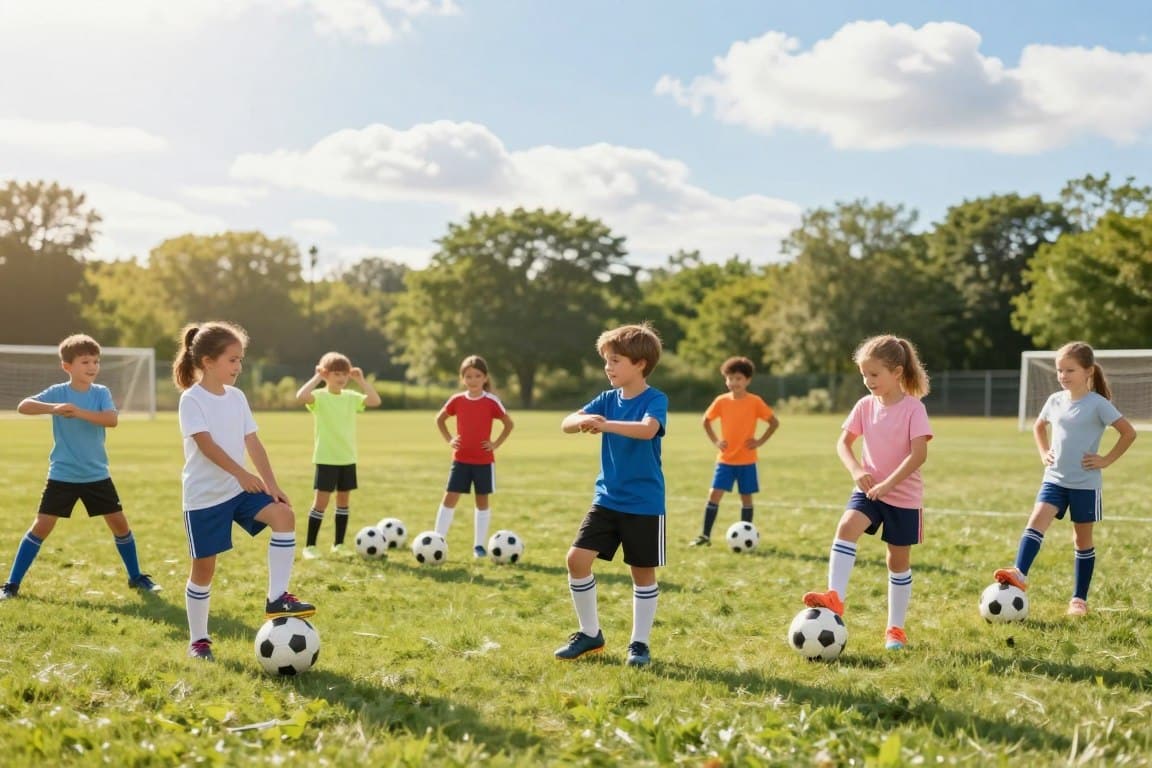
I believe simple warm-ups help young players feel confident and ready. Dynamic moves raise the heart rate and breathing, and they get the body set to play safely.
I will show a short pre-game warm-up that fits busy schedules. The plan uses motion-based exercises that keep kids moving and smiling.
Quick, clear steps make it easy for first-time coaches and parents. I also share fun variations and safety cues so warm-ups stay low-stress and effective.
Key Takeaways
- Dynamic warm-ups raise heart rate and prepare the body.
- Short, simple drills fit busy practice times.
- Fun options keep young players engaged.
- Clear timing helps you stay consistent.
- Safety cues lower injury risk without pressure.
- These moves work for parents and beginner coaches alike.
Why kids need an active warm-up before soccer
Start with motion to get breathing up and muscles ready without slowing energy. I keep the plan short and practical so you can use it before practice or a game.
Dynamic stretching warms the body through motion
Dynamic stretching means moving with control through a range of motion. You warm up while staying lively. This wakes up muscle fibers and helps the body move quickly.
Static stretching can lower performance if done first
Static stretching is holding a position for a long time. Research and US Youth Soccer note it can reduce performance when done right before play. Save long holds for after the session.
Warm-ups tune joints, muscles, and balance
Good warm-ups raise heart rate slowly and lubricate joints. That helps range of motion and tendon elasticity. Active prep also wakes small stabilizing muscles and improves balance so kids feel steady on cuts and turns.
- Do use movement to build heat and focus.
- Don’t do long holds before play—keep motion first.
Soccer stretching routines for kids that work before practice or a game
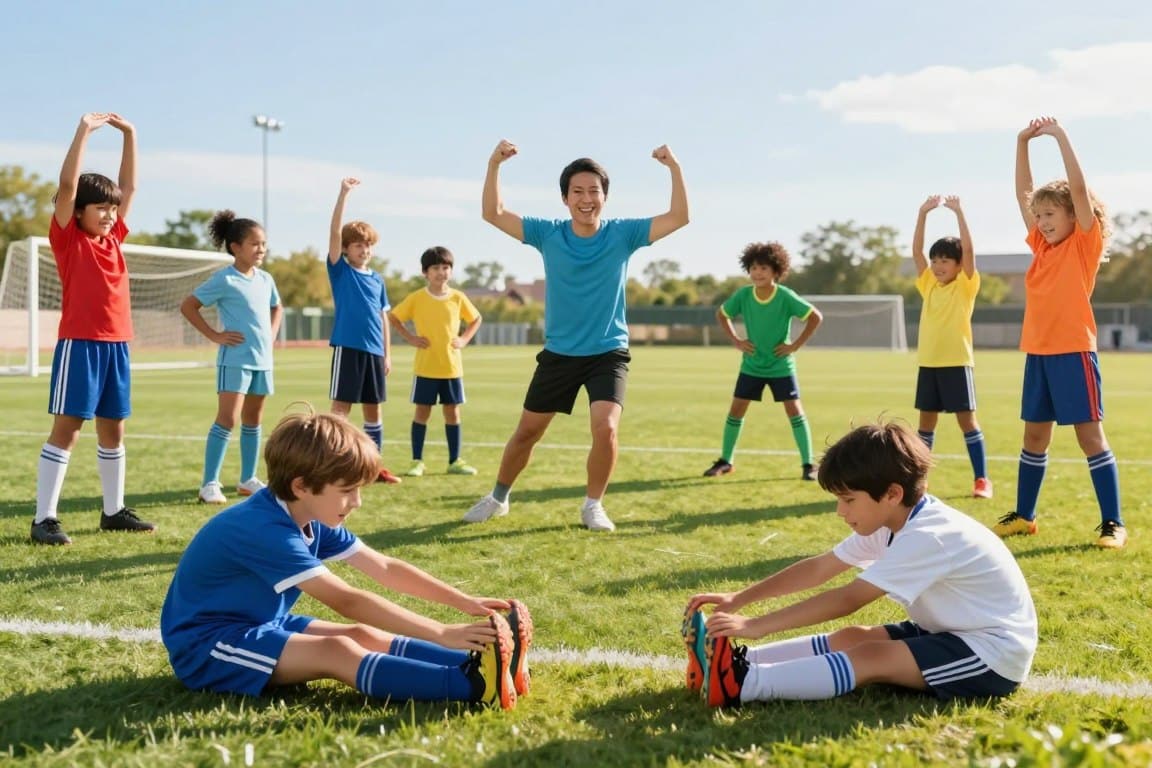
Use quick, motion-based moves to wake up muscles and get little bodies ready to play. A full flow takes about 10–15 minutes. Do each exercise for roughly 20–30 seconds and repeat the set if you need more warm-up time.
How long to stretch and how many seconds per move
Keep the pace steady and controlled. Try one round of each move for 20–30 seconds. Stop if anyone feels sharp pain.
Jumping jacks for total body heat
Stand tall. Jump feet wide while swinging arms overhead. Keep a light bounce and smiling faces.
Walking knee hugs to warm hips and knees
Walk forward. Lift one knee, hug it to the chest, then step. Cue: “lift, hug, step.”
Arm circles to warm shoulders and chest
Make small circles, then reverse. Keep arms relaxed and move both directions.
Side shuffles to prep quick feet and legs
Stay low and step side-to-side. Keep control—no crossing feet. Push off each foot for short bursts.
Backpedaling for balance and control
Walk backward slowly. Eyes up. Use short steps to keep balance and confidence.
Lunges and squats to activate legs and hips
Step into a lunge, then return. Do bodyweight squats with knees tracking over toes. Cue: “go slow, knees over toes.”
Leg swings, inchworms, and karaoke
Hold one leg, swing forward then to the side. Inchworms walk hands out and back in. Karaoke steps cross behind to open hips—start slow, then add pace.
- Quick tips: Shorten the set for very young players.
- Repeat the full circuit once if you need more warm-up.
- For more warm-up exercises, try this guide: warm-up exercises.
Soccer moves you can use as stretching and warm-up
I like warm-ups that feel like play. Use balls and cones to keep things simple and fun. This way you warm feet and legs while practicing real game actions.
Light dribbling and easy passing to warm feet and legs
Set cones in a line. Have players dribble slowly between them. Tell them to use small touches and keep heads up.
Follow with short passing pairs. One-touch or two-touch passes work well. This builds timing and warms the lower body without pressure.
Short runs with gentle cuts to prep game speed
Use short sprints with wide, gentle cuts. Start slow. Let players feel the turn before adding pace.
Link the drill to position needs. Attackers get extra short runs. Defenders add backpedal steps and quick recovery.
Quick set-up ideas:
- Pass-and-move line: touch, pass, jog to new spot.
- Dribble relay: light contact only, focus on feet.
- Cone cuts: run, cut wide, return at easy speed.
| Move | What it warms | How to run it | Why it helps |
|---|---|---|---|
| Light dribbling | Feet, ankles | Slow touches between cones | Replicates ball contact in game |
| Easy passing | Legs, timing | Pairs, one- or two-touch | Builds teamwork and lower-body prep |
| Short runs & cuts | Speed, hips | Short sprints with wide turns | Prepares running and changing direction |
Warm-up games that make stretching feel fun
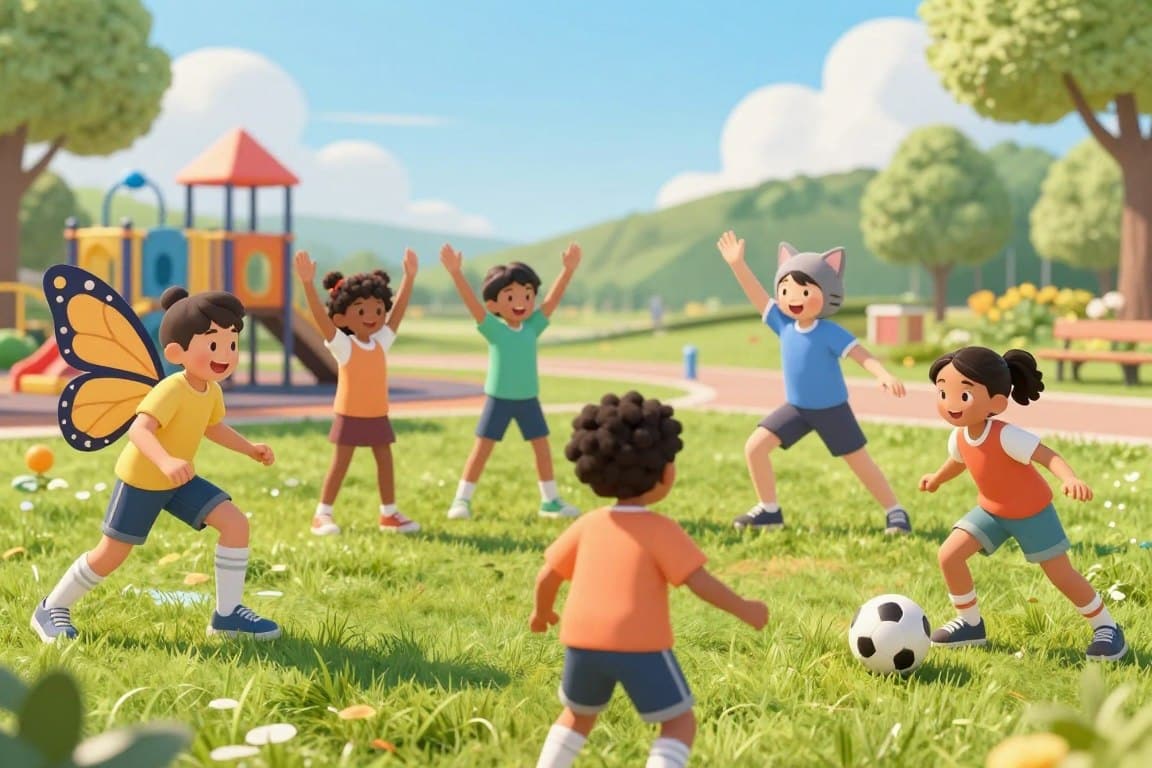
A fast, fun game can set the tone and get every child moving. I use play to warm bodies and minds. US Youth Soccer guidance shows play works best for young players.
Red Light, Green Light
Line players up. Call “green” to run and “red” to stop. Add a ball for older kids to dribble while they go.
Why it helps: Teaches stop-and-go control and safe bursts of speed.
Sharks and Minnows
Mark an “ocean” with cones. Minnows dribble across. Sharks try to send balls out. Swap roles often.
Why it helps: Builds dribbling choices and quick decisions without long lines.
Hospital Tag
One or two taggers call a body part to freeze—then players balance on one leg. Use short rounds.
Why it helps: Trains balance and coordination in a small space.
Play–Practice–Play
Start with a short small-sided game. Do a focused drill next. Finish with the game again.
Why it helps: Keeps athletes engaged and blends play with a quick skill block.
- You can use a game as the warm-up—players move more when they feel like they are playing.
- Keep score light or skip it to keep the session low-stress.
| Game | Space | Main focus | Coach cue |
|---|---|---|---|
| Red Light, Green Light | 20–30 yd line | Stop & go control | “Freeze on red, push on green” |
| Sharks and Minnows | Half field | Dribbling under pressure | “Keep your head up and protect the ball” |
| Hospital Tag | Small grid | Balance & coordination | “Slow down and hold your balance” |
| Play–Practice–Play | Small-sided area | Game feel + focused skill | “Play with intent, then try the drill” |
I keep these games upbeat and simple. You can run them with mixed skill levels. This program helps every athlete join in and warm up before practice.
How to keep stretches safe and lower injury risk
I want every warm-up to protect young bodies while keeping things simple and fun. Keep your cues clear and calm so players know what to do and what to stop on.
Use controlled motion and stop if pain starts
Have players move with control. Fast, sloppy reps raise injury odds.
Stop immediately if a child feels sharp pain. Warm-ups should be gentle, never painful.
Watch knees and keep feet flat
Tell players to cue “knees over toes” during lunges and squats. That simple tip keeps knees tracking safely.
Keep heels down when bending. If heels lift, the knees and ankles can take extra stress.
Match the move to each position
Warm-ups should mimic what players do in a match. Use drills that prep running, kicking, and quick cuts.
Include one-leg drills like leg swings with a hand on a partner or fence to build balance and prevent injuries.
Save static stretching until after play
Dynamic stretching before play warms muscles without hurting performance. Save long holds for after practice when the body is warm.
Finish the session with easy breathing and a slow walk to help recovery and promote flexibility.
- Use controlled motion in every move — slow and steady beats fast and loose.
- Stop if pain starts — gentle effort, not sharp discomfort.
- Keep knees over toes and feet flat during bends.
- Match drills to position needs like running and kicking.
- Finish with static stretching after play to work on flexibility.
| Safety Tip | What to watch | Coach cue |
|---|---|---|
| Controlled reps | Slow, even motion | “Move with control” |
| Stop on pain | Sharp discomfort | “Tell me if it hurts” |
| Knee alignment | Knees tracking over toes | “Knees over toes” |
| Balance work | One-leg stability | “Light touch on a partner” |
| Post-play flexibility | Static holds after warm body | “Hold gently, breathe” |
Conclusion
Quick, playful prep makes practice safer and more productive right away. Aim for a 10–15 minute warm-up and keep each move about 20–30 seconds. Pick a few active drills that match soccer actions and repeat the set once if needed.
Add the ball early or turn a drill into a short game—play helps focus and keeps children moving. Use controlled motion, watch knee and foot alignment, and stop if anyone feels pain.
Finish the session with gentle static stretching after activity to support flexibility. Your next step: choose three moves, set a timer for 20–30 seconds, and try the flow at your next practice or game!