
Learn the Soccer Camp Benefits for Goalkeepers
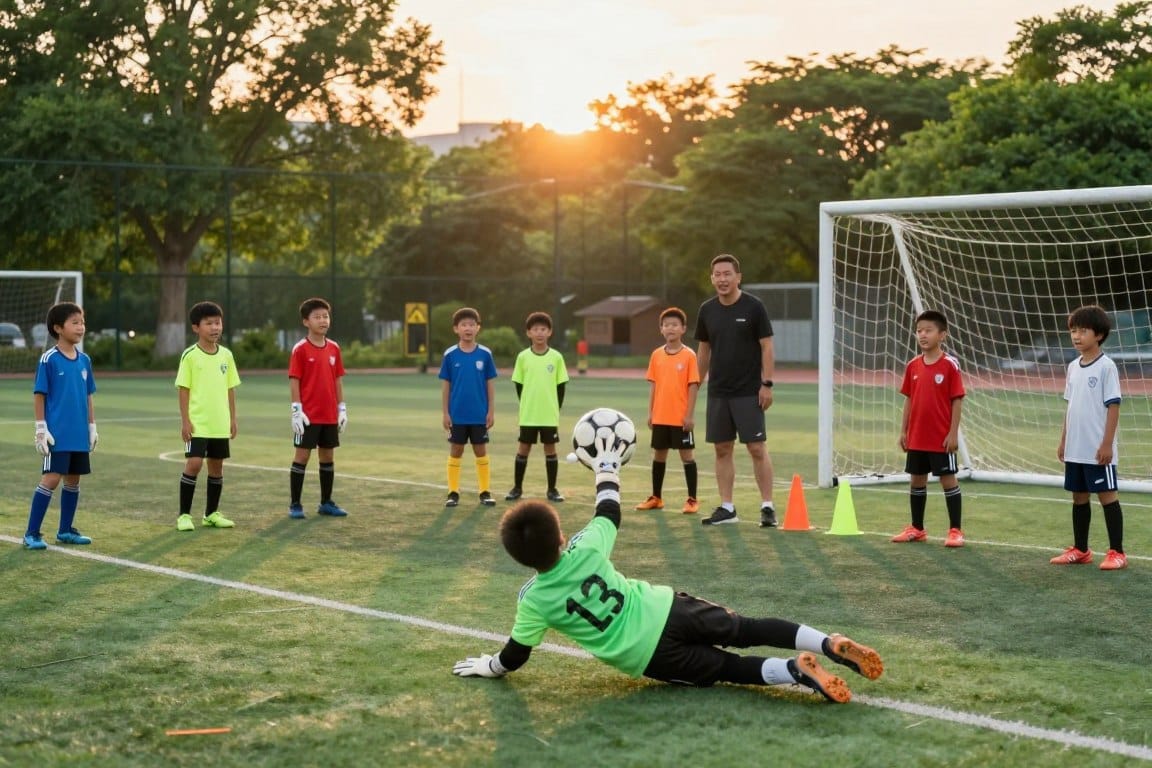
Seeing your child light up on the field is a special feeling. If they’re drawn to the goal, you want to give them every chance to grow and love the game.
Specialized programs offer exactly that. They provide focused attention on skills that regular team practice often misses. This isn’t just about blocking shots. It’s about building a complete player.
I’ve seen how this dedicated training changes young keepers. It builds technical ability and a deep sense of confidence. It also opens doors they might not have known were there.
This guide will walk you through the real value these programs provide. You’ll learn what makes them different and why that matters for your child’s development. My goal is to help you make a great choice for their journey.
Key Takeaways
- Specialized training programs give young keepers the focused attention they need to improve.
- These sessions cover essential skills that regular team practices might not address in depth.
- The right environment helps players build strong technical abilities and greater self-confidence.
- This experience can reveal if the goalkeeper position is a true fit for your child’s interests.
- Attending a dedicated program can create valuable opportunities for future growth in the sport.
- This guide aims to help you understand the advantages and select the best option for your young athlete.
Introduction to Goalkeeper Training Camps
A goalkeeper’s role is unique. It requires a blend of sharp reflexes and calm decision-making. Specialized programs are built just for this.
They give your young athlete a place to dive deep into the craft. It’s more than just a few extra drills.
Role of a Goalkeeper in Soccer
Your child holds a unique spot on the field. They are the final barrier. This job needs different skills than other players on the team.
As the last line of defense, they protect the net. They also often launch the attack with a quick throw or kick. This position demands instant choices and the ability to read the entire game.
Even during quiet moments, a goalkeeper must stay locked in. Mental sharpness is just as important as physical skill.
How Camps Support Young Players
These programs focus on those unique demands. Your child gets attention they won’t find in regular practice.
They train alongside other keepers. This shared experience is powerful. It creates a supportive environment where everyone gets it.
Your youngster can work entirely on goalie-specific techniques. There’s no worry about taking time from field player drills.
Coaches break complex moves into small steps. This builds confidence over time. I’ve seen young athletes grow tremendously in just a few days.
Soccer Camp Benefits for Goalkeepers
The real magic happens when a young athlete receives instruction tailored entirely to their position. Dedicated programs create a space for this deep, focused work.
Your child gets to hone the exact abilities they need. I’ve watched this process build confidence rapidly.
Direct Benefits on Skill Improvement
These sessions target core techniques. Coaches work on reaction time and shot-stopping.
Your young player practices positioning and clear communication. Every drill has a specific purpose.
The improvement is direct and noticeable. They learn to handle the ball with more authority. Their footwork becomes quicker and more precise.
The Value of Specialized Training
A specialized environment makes all the difference. The coaching focuses solely on the keeper’s craft.
Small technical errors get corrected immediately. This leads to better performance in games.
Your child practices with equipment designed for their role. They gain the ability to command their penalty area with confidence.
Here’s a look at how specialized goalkeeper training compares to general practice:
| Aspect | General Team Practice | Specialized Keeper Training |
|---|---|---|
| Primary Focus | Team tactics and field player skills | Goalkeeper-specific techniques and decision-making |
| Drill Type | Adapted for the whole group | Designed specifically for the position |
| Repetitions | Limited for the keeper | High number of focused repetitions |
| Coaching Attention | Shared among all players | Dedicated, one-on-one feedback |
| Skill Development | Broad, general athletic skills | Sharp reflexes, positioning, and area command |
Building Key Goalkeeping Skills
Mastering a few core abilities can transform a young goalkeeper’s performance on the field. These foundational techniques form the bedrock of everything they do. I always focus on these areas first in any training session.
Handling and Shot-Stopping
Solid handling is the absolute starting point. It means catching, holding, and controlling the ball securely. Good technique here cuts down on dangerous rebounds right in front of the goal.
Your child gets countless repetitions in these specialized sessions. They train their body to react correctly without overthinking. This builds muscle memory for game day.
Positioning and Diving Techniques
Knowing where to stand is a game-changer. Instruction on angles turns tough saves into routine ones. It makes the job look easy.
Safe diving is taught with care. We start with low-impact dives on soft mats. This builds confidence and proper form without any fear.
Quick Reaction Drills
Sharp reflexes are non-negotiable. Your young athlete needs to respond instantly to unexpected shots. We use fun, engaging drills to develop this.
Agility ladder runs and cone exercises boost quickness. Reaction balls sharpen hand-eye coordination. These drills make essential training enjoyable.
Developing Physical and Mental Strength
A strong mindset is the secret weapon of every great goalkeeper. This unique position tests both the body and the mind in equal measure.
Your young athlete learns to stay sharp during quiet moments. They must be ready to spring into action instantly. This builds incredible focus and resilience.
Improving Reflexes Through Drills
Fast reactions are a physical skill you can train. Specialized drills are designed for this purpose.
Your child practices responding to sudden shots. Their body learns to move without overthinking. This creates reliable muscle memory for game day.
These exercises make sharp reflexes automatic. The training prepares them for real pressure.
Building Confidence and Leadership
Each successful save builds belief. Your child gains confidence through repeated small wins.
They learn to direct teammates from the back. Clear communication becomes a natural part of their game.
This role teaches responsibility for the entire defensive area. These experiences nurture real leadership skills.
I’ve seen young players grow into vocal, supportive leaders. They carry that newfound assurance into every part of their life.
Training Drills and Exercises
Quick, precise steps are the hidden engine behind every great save. Dedicated practice turns basic movements into powerful skills.
Your child learns through structured activities designed just for them. These exercises build a strong foundation for everything they do in goal.
Footwork and Agility Routines
Good footwork makes every other part of the job easier. It allows for faster adjustments and smoother movement.
Your young athlete practices quick, small steps. They learn to maintain a balanced stance at all times.
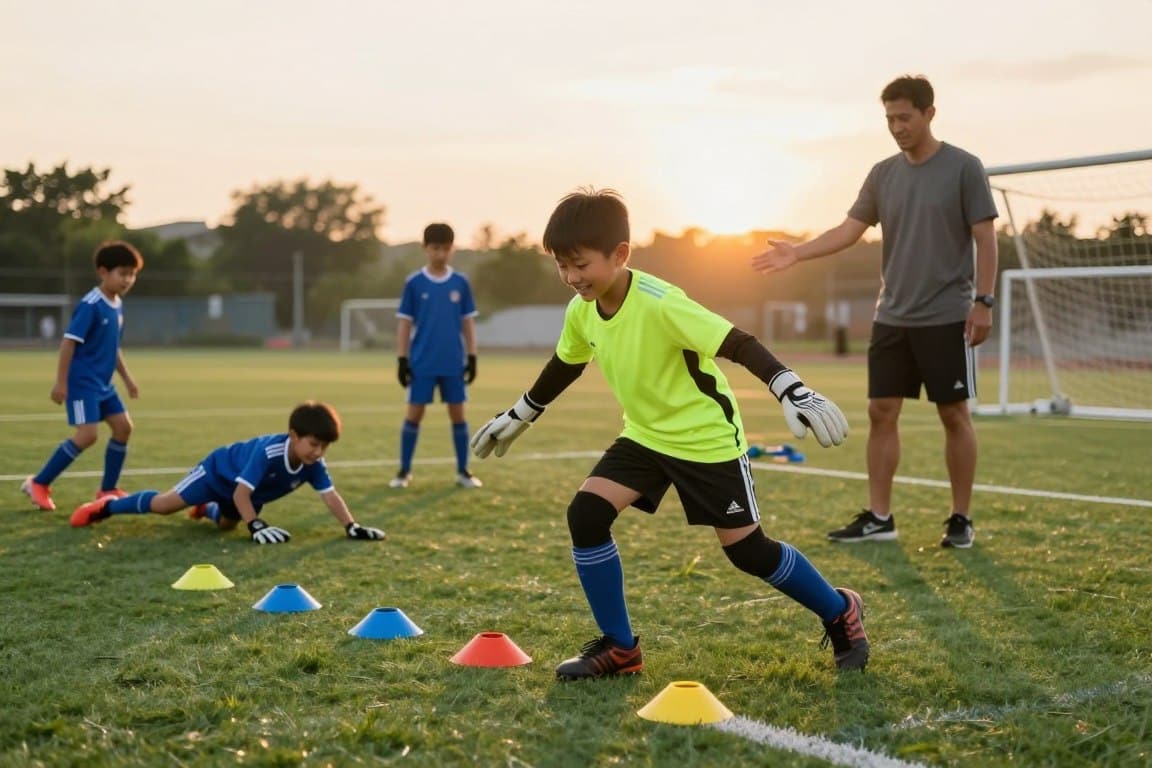
I use simple tools like ladders and cones. These drills dramatically improve agility and coordination.
Here are the core benefits of focused footwork training:
- It forms the foundation for every movement in goal.
- Quick steps lead to better positioning and more successful saves.
- Your child adjusts faster and moves smoother around the goal area.
- Repeated patterns make movements automatic and natural.
We keep these sessions engaging. Kids learn best when they’re having fun.
I incorporate games and friendly challenges. This approach keeps motivation high.
Your child dances around cones and runs through agility ladders. Over time, their footwork becomes sharp and reliable.
This training translates directly to game day. It’s the essential skill that makes everything else work properly.
Exposure to Competitive Match Scenarios
Your child learns to think like a goalkeeper when they face game-like scenarios in training. This exposure is crucial. It bridges the gap between practice drills and real competition.
They encounter realistic match situations. Think breakaways, penalty kicks, and high crosses. These are moments that define a game.
Handling this pressure in a supportive setting builds immense confidence. Your young athlete practices making quick choices. They learn to stay calm when it matters most.
These scenarios also teach vital communication. Your child must direct defenders and organize the back line. This develops the vocal leadership every great keeper needs.
This kind of exposure prepares the mind. It reduces game-day anxiety because nothing feels new. Your child steps onto the field ready to perform, having already seen it all in training.
Guidance from Experienced Coaches
Having a mentor who truly understands the position makes all the difference. The right coaches bring more than just drills. They bring a deep knowledge of what it takes to succeed.
I’ve seen how this specialized guidance accelerates growth. Your child learns from professionals who live and breathe the craft. This focused attention is hard to find elsewhere.
Learning from Professional Training Methods
These coaches use methods proven at higher levels. They adapt professional techniques for young athletes. Your child practices drills that build proper habits from day one.
Personalized Coaching Approaches
Every player is unique. Skilled coaching means assessing your child’s current level. Instructors then tailor each session to match their needs.
This personalized approach ensures steady progress. Coaches spot tiny errors and correct them quickly. Your young athlete gets the individual feedback they need to improve.
This dedicated goalkeeper training focuses on core skills. Coaches break down complex moves into simple steps. Your child builds confidence with each small victory.
The environment is both supportive and challenging. Expert coaching creates a space where kids want to learn. They leave each goalkeeper training session more capable and eager.
Great coaches know how to make hard work feel like fun.
Enhancing Teamwork and Communication
The best keepers I’ve seen understand that their voice is as important as their hands. Their job involves constant talking and supporting every teammate.
Specialized training creates perfect scenarios for this. Your child practices directing defenders and organizing the defensive line. They learn to use clear, loud instructions everyone can hear.
Modern play asks the goalkeeper to start attacks, too. Think of styles like FC Barcelona’s. A calm player in goal who passes well helps the team keep possession.
Your child learns to become an extra passing option. They support players under pressure. This builds attacks from the back with short, accurate passes.
Here’s what focused training develops:
- Using their voice effectively during game action.
- Reading teammates’ movements before they receive the ball.
- Delivering passes that help maintain control.
These skills make your young athlete a more valuable player. They improve the whole team’s organization. For more on building these collaborative abilities, explore these top teamwork lessons for kids.
Pathways to College and Professional Opportunities
The path from local fields to collegiate play is built on focused development and visibility. Specialized programs provide a unique platform for this journey.
They create more opportunity for your young athlete. I’ve seen how dedicated training opens these important doors.
Insights on Recruitment
College teams actively search for talented keepers. This creates a strong recruitment need for the position.
These focused sessions often attract scouts and coaches. Your child gains valuable exposure they might not get elsewhere.
Participating shows a serious commitment to the craft. It signals to recruiters that your athlete is dedicated to improving.
Long-Term Career Benefits
The advantages extend far beyond the field. The discipline and leadership learned are valuable in any career.
A strong technical foundation built early opens many doors. It prepares your child for the next level of play and life.
Even if they don’t pursue college sports, the mental toughness serves them well. The network built at these camps can lead to future opportunity.
Here’s how specialized training influences future pathways:
| Aspect | Traditional Recruitment | Program-Enhanced Recruitment |
|---|---|---|
| Scout Visibility | Limited to local league games | Direct access at dedicated showcase events |
| Skill Preparation | General team practice level | High-intensity, position-specific drills |
| Network Building | Local coach references only | Connections with regional and national coaches |
| Demonstration of Commitment | Standard team participation | Proactive investment in specialized development |
Starting with structured goalkeeper training plans lays this crucial groundwork. It builds the skills and visibility needed for a college pathway.
Making Training Enjoyable and Safe
Your child will thrive when training sessions are both engaging and secure. The right environment makes all the difference. I always aim to blend serious skill development with a lighthearted atmosphere.
Incorporating Fun Games and Challenges
We use games to teach core techniques. Your young keeper might not even realize they’re working hard.
Time flies when they’re having fun. This approach builds positive associations with practice.
Maintaining Safety in Drills
Safety is our top priority, especially during physical drills. We start with soft mats and progress slowly.
This builds good habits that prevent injuries. Coaches watch form closely during every training activity.
Here’s how a quality program balances these two crucial elements:
| Fun-Focused Elements | Safety-Focused Elements |
|---|---|
| Game-based training drills | Use of proper protective gear |
| Variety to keep your child interested | Gradual progression of difficulty |
| Friendly competitions and challenges | Constant focus on correct technique |
| Energetic and supportive environment | Close supervision during all activities |
A good camp makes learning feel like play. Your child builds skills without pressure.
This keeps your young keeper motivated over time. They look forward to each session.
Conclusion
Investing in your child’s passion for the goal can shape their entire athletic journey. Specialized programs provide the focused coaching they need to thrive.
Your young keeper develops essential technical skills through dedicated repetition. They build handling, footwork, and sharp decision-making. This builds a confidence that extends far beyond the field.
The position demands unique abilities. This training offers the perfect environment to master them. It opens doors to future levels of play and personal growth.
Your support gives them a fantastic opportunity. You’re helping them grow as a complete goalkeeper and person. Their journey in the sport starts with this important step.