
Simple Soccer Practice Cool-Down Routines for Beginners

Have you ever watched your child finish a match, completely spent, and wondered what you can do to help them feel better? Starting with the right soccer practice cool-down routines makes all the difference. It’s the simple secret to turning exhaustion into recovery.
That time right after the final whistle is crucial. Gentle movement helps a young athlete’s body transition from full effort to rest. Think of it as pressing a gentle “reset” button for their muscles and mind.
This isn’t about complex drills or extra training. It’s a few easy steps that prevent soreness and keep them ready for their next session. I’ll show you how a short 10-15 minute routine can become a powerful habit.
Let’s walk through why this matters and what you need to know. Here are the key points to remember.
Key Takeaways
- A proper cool-down is just as important as a good warm-up.
- It helps the body recover safely after intense activity.
- Simple, guided exercises only take about 10 to 15 minutes.
- This process significantly reduces muscle soreness the next day.
- It helps lower the risk of future injuries for growing players.
- Consistent cool-downs prepare young athletes mentally and physically for their next game or practice.
- These routines are straightforward to learn and implement, even for brand-new sports parents.
Introduction
Welcome to a guide designed to make post-game recovery easy and effective for your young athlete. I want to give you a clear picture of what’s ahead. You’ll learn how to support your child after they play.
This section explains the difference between warming up and cooling down. Both matter for kids in sports. Cooling down helps their body transition safely from effort to rest.
I’ll show you simple instructions and practical tips. These exercises are safe for beginners. They require no special equipment. Just a few minutes on the field after a session.
Overview of the Guide
This guide breaks down recovery into manageable steps. It focuses on activities that protect growing bodies. You’ll gain confidence in guiding your child through these movements.
| Guide Focus | Key Element | Benefit for Players |
|---|---|---|
| Recovery Basics | Understand why cool-downs matter | Lowers injury risk |
| Exercise Steps | Follow simple, safe movements | Reduces muscle soreness |
| Training Integration | Add routines to regular sessions | Boosts long-term performance |
What to Expect
Expect straightforward advice you can use right away. I promise to keep everything practical. This helps your child build healthy habits that last. You’ll see how a short routine makes a big difference.
The Importance of a Soccer Cool-Down
Many parents focus on the game itself, but what happens right after is just as important. A proper cool-down protects your child’s body and helps them play better in future games.
It guides their system from high effort to rest. This simple habit offers clear benefits for young athletes.
Benefits of Cooling Down
Cool-downs help young muscles recover. They increase blood flow. This delivers oxygen and nutrients while removing waste.
That process reduces soreness. It also lowers the heart rate gradually. This is healthier than stopping suddenly.
These activities improve flexibility and range of motion. Players can then move more freely on the field. Better recovery leads to better overall performance.
Injury Prevention
Regular cool-downs significantly cut the risk of harm. They prepare the body for the next practice or match.
This reduces common soccer injuries like hamstring strains and calf tears. The benefits include increased tissue elasticity.
Just as a good warm-up helps you stay safe on the field, a proper cool-down protects you afterward.
| Focus Area | Without Cool-Down | With Consistent Cool-Down |
|---|---|---|
| Muscle Soreness | Often higher next day | Greatly reduced |
| Injury Risk | Remains elevated | Dramatically lowered |
| Flexibility | Can stay limited | Improves over time |
| Readiness for Next Session | May feel stiff and tired | Feels prepared and recovered |
Preparing Your Body for Recovery
Right after the final whistle, your child’s body needs a gentle shift from full speed to recovery mode. This transition period is crucial. It helps their system adjust safely.
Start with light aerobic activity. A slow jog or walk for five minutes works well. This lowers their heart rate gradually after a game.
Pre-Cool-Down Warm-Up Tips
Think of this as a bridge between intense play and static stretches. Gentle movement keeps blood flowing. It removes waste from muscles.
I recommend simple activities like jump rope. These raise core temperature slightly. They prepare the body for deeper recovery work.
Watch your child’s energy level on the field. Adjust the pace to match their needs. The goal is to keep them moving gently.
This way protects growing athletes. It reduces soreness and improves flexibility for future training. Young players stay ready for their next soccer session.
Understanding Dynamic and Static Stretches
Knowing when to move and when to hold still can transform your child’s recovery. I want you to understand the two main types of stretches and when to use each one.
What is Dynamic Stretching?
Dynamic stretching involves active, controlled movement. Your child moves their muscles and joints through a full range of motion. This type of movement mimics the actions of a soccer match.
The goal of dynamic stretching is to gradually increase heart rate and blood flow. It safely prepares the body for the demands of the game. You should use dynamic stretching before playing or a practice session.
What is Static Stretching?
Static stretching is different. Here, your child takes a muscle to its limit and holds the position. They maintain this stretch for 20 to 60 seconds.
This method helps calm the nervous system after exertion. It reduces residual tension and safely lengthens tight muscles. Use static stretches only after games and training.
Remember, dynamic stretches belong in warm-ups. Static stretches belong in your cool-down plan. Understanding this difference creates better routines for young soccer players.
Soccer practice cool-down routines
The best way to establish good habits is with a predictable, repeatable sequence. I want to give you a simple framework that works for beginners.
This section explains how to structure a 10-15 minute session. It covers all important muscle groups without overwhelming your child.
Routine Steps for Beginners
Start with five minutes of light movement. A slow jog or cycle lowers the heart rate safely.
Next, move into static stretches. Hold each one for 30 to 45 seconds per side. This gives young players enough time to benefit.
The logical sequence begins gently. It then focuses on key areas. This template works after every game.
Following a predictable pattern helps children remember the exercises. They can take ownership of their recovery. You can adjust based on available time.
Consistent movement after sessions supports overall development. It complements skills like learning to improve their footwork.
Step-by-Step Cool-Down Routine for Beginners
This step-by-step guide focuses on two key areas: the legs and the upper body. I’ll walk you through specific movements that work for beginners.
You will learn simple instructions for each exercise. This helps you demonstrate them correctly to your child.
Leg Flexibility Exercises
Help your young player stretch their legs safely. Focus on the major muscles they use most.
Try this simple quad stretch. Have your child stand tall. They should bend one knee and bring their foot toward their back.
They can hold their ankle with their hand. Keep the knees close together. The supporting leg stays straight.
Give clear cues about foot position and ground contact. Ensure proper form is maintained for about 30 seconds. Then switch sides.
Upper Body Recovery Movements
These movements help release tension. They target the shoulders, arms, and back after running.
Guide your child through a cross-body shoulder stretch. Have them bring one arm straight across their chest.
Use the other arm to gently pull it closer. They should feel a gentle pull in the shoulder. Hold this place for 30 seconds.
Check that their form is relaxed. Their back should be straight. This completes one step in the routine.
Combine these leg and body exercises for a complete session. It addresses all areas that need attention.
Make sure your child holds each stretch long enough. Maintain good form throughout the routines. You can check they are getting the full benefit.
Dynamic Stretching Exercises for Soccer Players
Let’s focus on getting your young athlete ready to move with purpose and power. Active movements before a session prime their body for action. This type of dynamic stretching safely increases blood flow and warms up key muscle groups.
Examples and Benefits
I’ll show you a few key dynamic stretches. These exercises are perfect for young players. They activate the muscles used for running and kicking.
Start with simple movements like high-knees and butt-kicks. Have your child jog in place. They should lift their knees high or bring their heels toward their glutes.
This warms up the lower body and engages the core. Next, try leg swings. Stand tall with feet hip-width apart.
Gently swing one leg forward and back like a pendulum. This promotes circulation and improves hip mobility. These movements build balance and agility for quick direction changes on the field.
Static Stretches for Muscle Recovery
I want to show you how simple, held stretches can make a big difference in how your child feels tomorrow. These static stretches are held for 30 to 45 seconds per side. They help tight muscles return to their normal length after a game.
Focus on the major leg groups that work hardest. This includes the hamstrings, hip flexors, calves, and glutes. These stretches maintain your body‘s range motion for strong performance.
| Stretch | Targets | Key Benefit |
|---|---|---|
| Hip Flexor & Psoas | Front hip, groin | Opens hip extension for better kicking and faster acceleration |
| Standing Quad | Front of leg (quadriceps) | Restores length for a stronger knee drive |
| Seated Hamstring | Back of leg (hamstrings) | Preserves muscle length for safer high-speed running |
Guide your young player through each one. Keep their hips level during the quad stretch. Maintain one foot forward for the hip flexor version.
Proper form protects their knees and joints. It directly supports better mechanics on the field. These stretches are a key part of recovery for all players.
Essential Tips for Injury Prevention
You can help your young athlete avoid common setbacks with a few key steps. This part focuses on keeping them healthy and ready for action.
Good habits after a session are your best defense. They protect growing bodies from the strain of the sport.
Key Recovery Tips
Regular recovery work lowers the risk of harm. It helps prevent issues like hamstring strains and groin pulls.
This process balances the body and corrects small imbalances. These asymmetries can create injury risk during a game.
Include simple activation drills for the glutes and core. They stabilize the hips during quick cuts and sprints.
Consistent mobility exercises reduce wear on joints and soft tissue. This way supports long-term health for all players.
Young athletes who maintain good flexibility have fewer overuse problems. They also experience less chronic pain as they grow.
Make sure your child completes their post-training habits every time. Don’t let them skip stretches, even when tired.
This preparation readies their muscles for the next time they play. It builds a protective pattern over time.
Watch for early warning signs of an injury. Adjust their routine to keep them safe on the field.
These tips support strong performance and a long, enjoyable time in soccer.
Integrating Cool-Downs into Your Training Program
Let’s make recovery a natural part of your child’s week, not an afterthought. The goal is to weave it into their schedule so it feels automatic. This approach builds lasting habits for young athletes.
A good plan uses different types of movement. Start each session with light activity to raise their body temperature. Follow that with dynamic stretches to prepare for action.
Creating a Routine Schedule
Reserve static stretching for after the session. Use it to help muscles relax and recover. On days off, try longer mobility flows to improve joint health.
This balanced method fits into busy weeks. It supports other activities like strength work. The key is consistency, not duration.
| Day Type | Session Focus | Recivery Action |
|---|---|---|
| Game or Practice Day | High intensity on the field | 10-min focused cool-down after play |
| Light Training Day | Skill work or drills | 5-min quick mobility routine |
| Rest or Recovery Day | No organized sport | 15-min full-body flexibility flow |
Stick to this simple framework. It helps players take ownership of their well-being. They will feel better and perform their best.
Maximizing Recovery Benefits
You can see the real value of a cool-down by noticing small changes in how your young athlete moves and feels. This part is about tracking their progress to get the most from their effort.
Watching for improvement helps you and your child stay motivated. It shows the routine is working.
Monitoring Your Progress
Look for simple signs. Can your child reach farther in a hamstring stretch than last week? Do they complain less about soreness after a match?
These are clear wins. Better flexibility leads directly to on-field skills. It means more speed for sprints and sharper agility for quick turns.
Good balance starts with stable hips and ankles. Consistent stretching improves your range motion. This helps players generate power safely.
The benefits go deeper than movement. Stretching increases blood flow to tired muscles. This delivers fresh oxygen and carries away waste.
That process is key for recovery. It prepares the body for its next challenge. Your child will feel more alert and less stiff.
Slow, deep breathing during stretches helps them mentally reset. This completes the recovery cycle for better overall performance.
| What to Monitor | Sign of Progress | On-Field Benefit |
|---|---|---|
| Stretch Depth | Reaches farther with ease | Improved range motion for kicking |
| Next-Day Soreness | Less stiffness after games | Faster recovery, ready to play |
| Movement Quality | Runs and cuts more smoothly | Enhanced speed and agility |
| Energy Level | Feels refreshed, not drained | Stronger mental and physical performance |
Tips for Consistent Practice and Improvement
Consistency is the secret to seeing real improvement in your young athlete’s recovery and performance. Small, regular efforts build powerful habits over time.
Staying Motivated
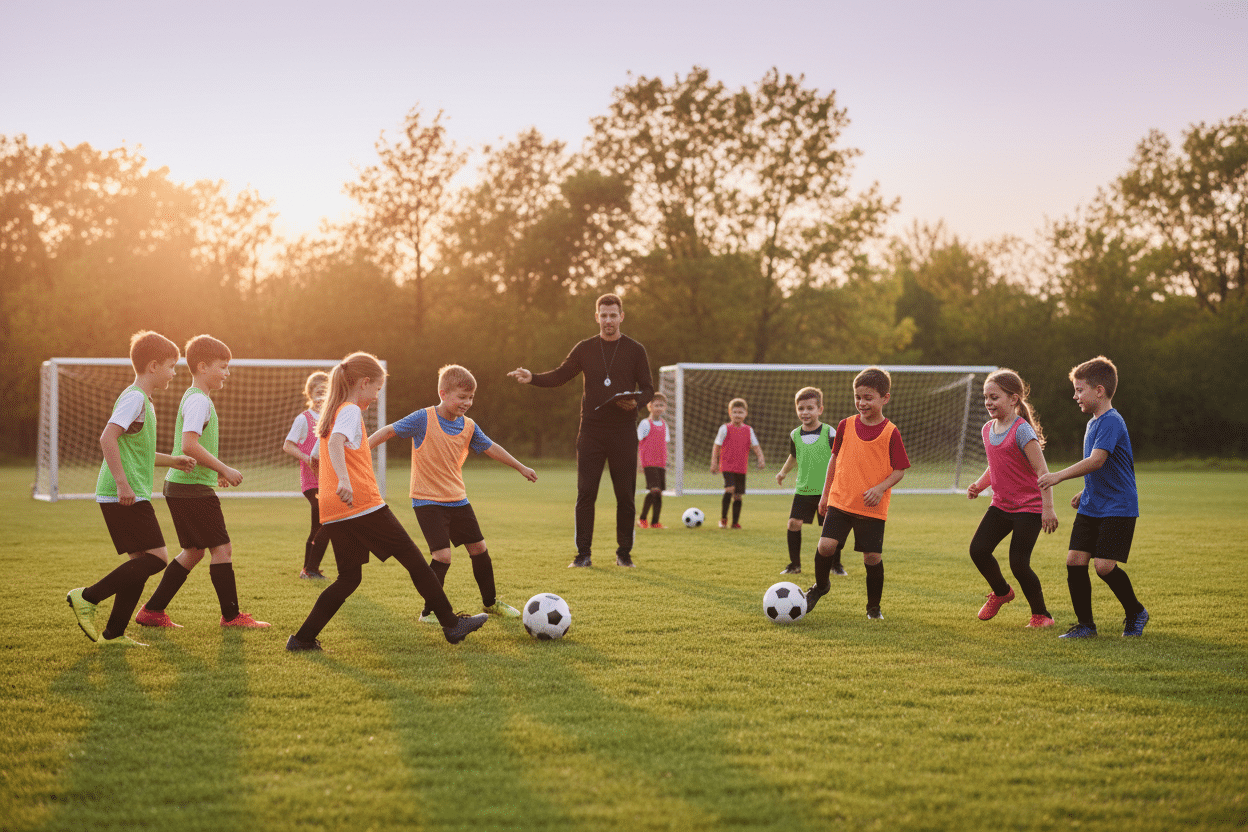
Keep the post-game routine fun and engaging. Turn stretches into a team activity with friends.
Celebrate small wins, like better knee lift or smoother form. This positive feedback keeps kids interested.
| Motivation Strategy | How It Helps | When to Use |
|---|---|---|
| Make it a game | Adds fun, reduces resistance | After a tough loss or when energy is low |
| Use a shorter routine | Fits into busy weeknights | Following a weekday training session |
| Track progress together | Shows tangible improvement | Monthly check-ins to boost morale |
Adjusting Your Routine
Your child’s needs will change as they grow. Pay attention to their feedback and body signals.
Focus more on specific areas like the legs or core if they feel sore. Modify exercises as their speed and agility improve.
This adaptive approach supports their developing system. It prepares them for faster direction changes on the field.
Consistent adjustment leads to better long-term results for all players.
Conclusion
Your guidance after the final whistle is a gift that supports your child’s health and love for the game.
Simple recovery habits make a real difference in how your young athlete feels and performs. Spending just 10-15 minutes after each session helps protect their growing body. It prepares them for the next time they step onto the field.
These activities improve blood flow to the legs and feet. They target major muscles like the hip flexors, hamstrings, calves, and glutes. Consistent effort helps players achieve a full range of motion. It reduces soreness so they can enjoy playing more.
You now have practical exercises and tips. Use them to build healthy recovery habits that support your child’s growth. Start implementing these routines today. Watch how they benefit your young player’s performance on the soccer field.
You can guide your child through proper recovery, even if you’re new to youth sports. You’re equipped to help them stay healthy and keep loving the game.