
Soccer Camp Packing List for Kids: What to Bring
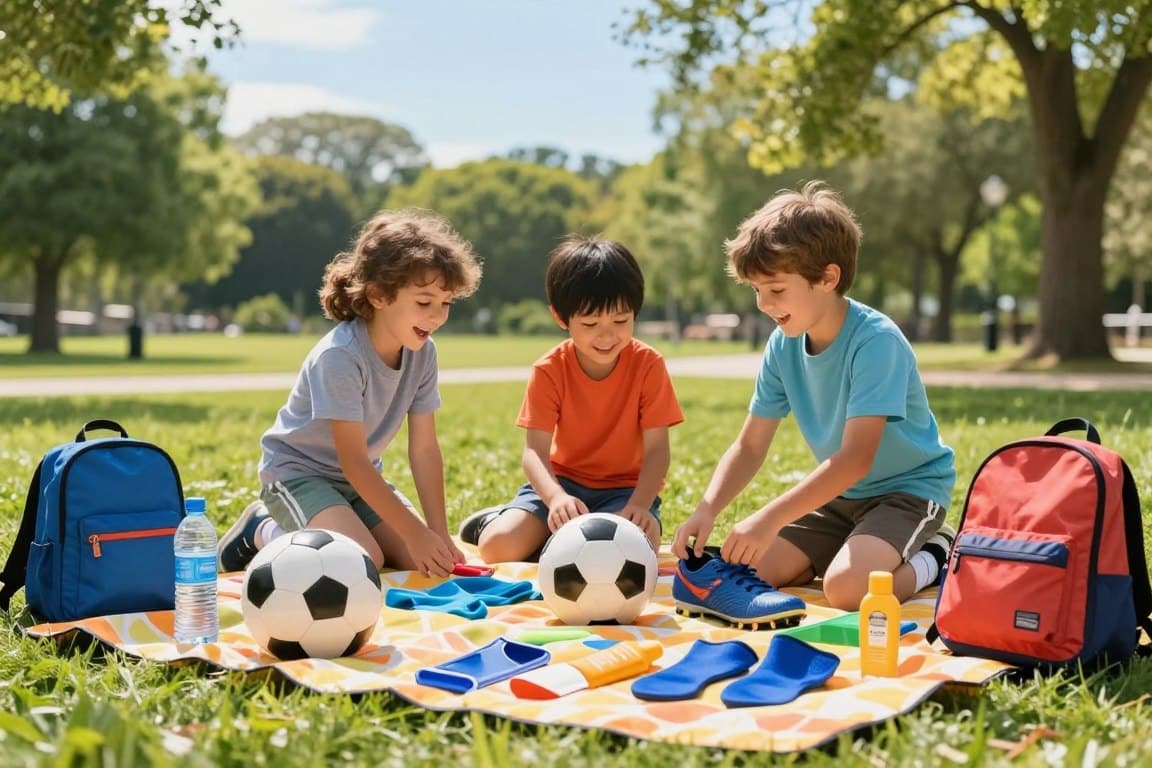
Your young athlete is about to embark on an exciting adventure, and having the right gear can make all the difference. I remember the mix of excitement and nerves when my own child first headed off—wanting everything to be perfect for them. Let’s make sure they have everything they need to thrive, from cleats to confidence.
These summer programs come in many shapes. Some are day sessions where your player comes home each night. Others are residential, with athletes staying in dorms. Each type has its own needs.
Missing one item can affect your child’s whole experience. That’s why checking the specific requirements from the program is so important. Will they need a sleeping bag for a twin XL bed? Should you pack a swimsuit for pool time?
This guide walks you through it all. We’ll cover the essential equipment that keeps them safe during drills, the clothes for changing weather, and the personal items that provide comfort. You can find more detailed gear advice in our ultimate parents guide to soccer equipment.
My goal is to take the stress out of packing. You’ll send your young athlete off feeling prepared and ready to focus on fun, skill-building, and new friends.
Key Takeaways
- Always check your specific program’s website or registration packet for a required gear list.
- Packing needs differ greatly between day camps and overnight, residential programs.
- Essential items extend beyond the field to include toiletries, medications, and bedding.
- Proper preparation prevents your child from missing out on activities or feeling uncomfortable.
- Having the right equipment protects your young player and lets them focus on learning.
- A good packing list boosts your child’s confidence and independence for their camp adventure.
Gear and Equipment Must-Haves
I always start my packing with the essential equipment that directly impacts play. The right items protect your child and help them perform their best.
Focus on gear designed for safety and intense training sessions. This foundation prevents discomfort and lets your young athlete focus on learning.
Cleats, Indoor Shoes, and Shin Guards
Footwear is the most critical choice. Players need two types of shoes for different surfaces.
Break in cleats well before the program starts. New shoes cause painful blisters that can sideline your player.
| Footwear Type | Best For | Key Feature |
|---|---|---|
| Cleats | Outdoor Grass & Turf | Studs for traction |
| Indoor Shoes | Gym Floors & Courts | Flat, Non-Marking Soles |
| All-Around Sneakers | Indoor Drills & Activities | Cushioned Support |
Shin guards are not optional. They protect legs from kicks and tackles. Choose guards that fit snugly and cover the shin and ankle.
Soccer Balls and Sports Bags
Your child needs the correct ball size for their age. The right size helps with proper technique.
Use a permanent marker to write their name and your phone number on the ball. Dozens of similar balls get mixed up.
A good sports bag with compartments makes life easier. Look for separate sections for clean and dirty gear. Mesh pockets for water bottles are a plus.
Goalkeeper Gear and Accessories
If your child plays goalkeeper, they need specialized gloves. Look for features like latex palms and wrist protection.
This padding helps with ball control and protects young hands. Always check with organizers first. Some programs provide the main training ball, saving space in the bag.
Essential Clothing and Safety Items
Your child’s comfort off the field is just as important as their performance on it. The right clothes and personal care items prevent discomfort and protect them from the elements.
Appropriate Apparel for All Weather
Outdoor conditions can shift quickly. Your young player needs versatile layers.
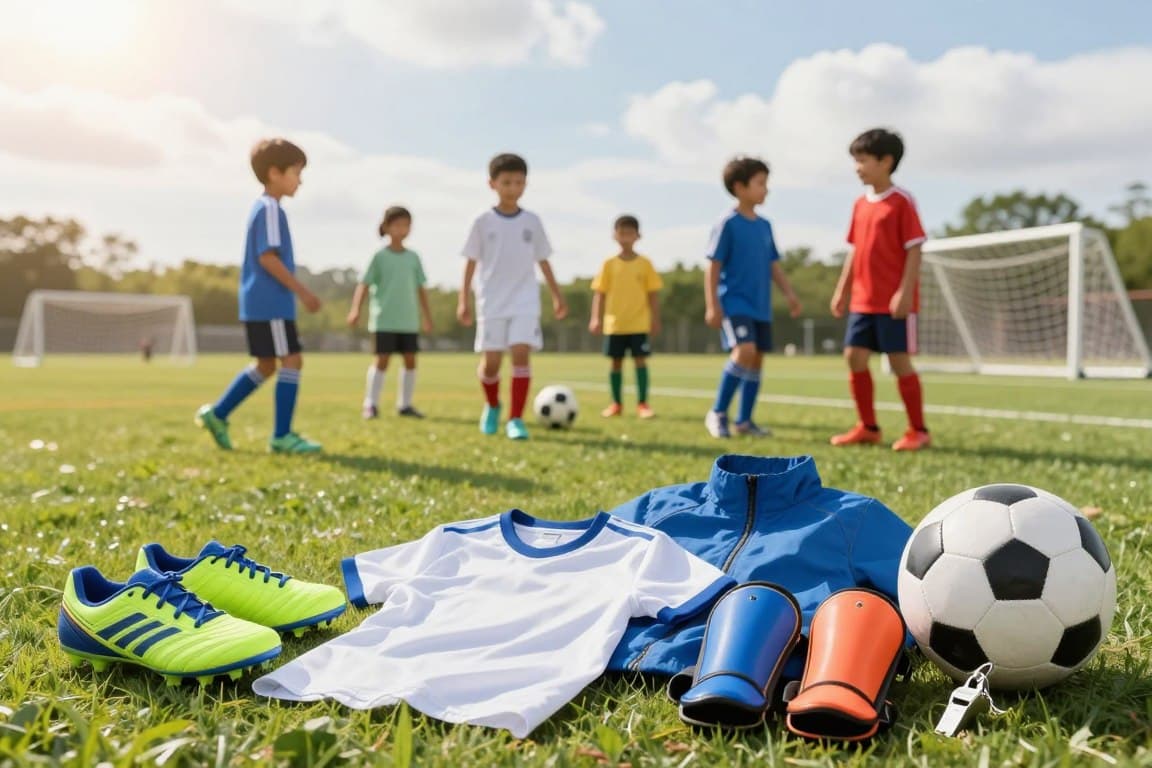
Pack many breathable t-shirts and athletic shorts. Synthetic materials like polyester dry fast and keep skin comfortable. Cotton holds sweat and can feel heavy.
A lightweight, water-resistant jacket is crucial for unexpected rain. Look for one that allows full movement. Tall soccer socks are also vital. They keep shin guards secure and protect legs.
Don’t forget shower sandals for shared bathroom spaces. They guard against common foot infections.
Health and Hygiene Essentials
Personal care supports overall well-being during an active week. Organize these items in a waterproof bag.
Essential toiletries include:
- Soap, shampoo, and deodorant
- Toothpaste and a brush
- Foot powder to prevent moisture
Sunscreen is non-negotiable. Use SPF 30 or higher. Apply it 15-30 minutes before going outside. Reapply every few hours, especially after sweating.
Bug spray with DEET helps with mosquitoes. Use a 10% formula for younger children. Apply sunscreen first, wait, then add the spray.
Soccer Camp Packing List for Kids: Checklist Essentials
Let’s build a final, foolproof list that covers everything from field essentials to dorm room comforts. This organized approach prevents last-minute stress.
You can pack systematically by category. Nothing important gets forgotten.
Basic Soccer and Training Gear
Start with the core items for daily play. Your player needs a ball marked with their name.
Pack multiple pairs of tall socks and breathable t-shirts. Include warm-up clothing for cooler mornings. A sturdy equipment bag carries it all.
Additional Items for Comfort and Recovery
Long days demand rest. Pack towels, a pillow, and sheets for a twin bed.
A notebook helps young athletes reflect. They can write down new skills and coach feedback.
Hydration Tools and Snack Options
Fuel and fluids keep energy high. Active players need constant hydration during drills.
A labeled water bottle is crucial. Young athletes need 3-8 ounces every 20 minutes on the field.
Healthy snacks provide quick fuel between sessions. They maintain steady energy for the next game.
| Need | Tool | Recommendation |
|---|---|---|
| Hydration | Water Bottle | Label with name; refill often |
| Electrolytes | Drink Powders | Use for hot days or long practices |
| Quick Energy | Healthy Snacks | Trail mix, fruit, energy bites |
| Sustained Fuel | Complex Carbs | Whole grain cereal, dried fruit |
Personal Care and Miscellaneous Items
Don’t forget a basic first aid kit. Include bandages and antiseptic wipes for minor field injuries.
Pack any prescription medications in original containers. Give clear instructions to staff.
Required paperwork is vital. Complete medical and camper profile forms before the first day.
Conclusion
The final whistle of a great week at camp is just the beginning of the lasting benefits your child will bring home. A smooth start, with registration in the early afternoon, lets them jump right into that first field session and evening activities.
Throughout the week, your young player will dive into training, friendly games, and team-building. This holistic experience builds more than just skills. It builds character and community among fellow campers.
I love thinking about what they gain. Your child returns with coach feedback, sharper abilities, and new friendships. Their confidence grows both on and off the field. You’ve set them up for an incredible summer adventure.