
Soccer Camp Prep: Essential Soccer camp preparation tips for Kids
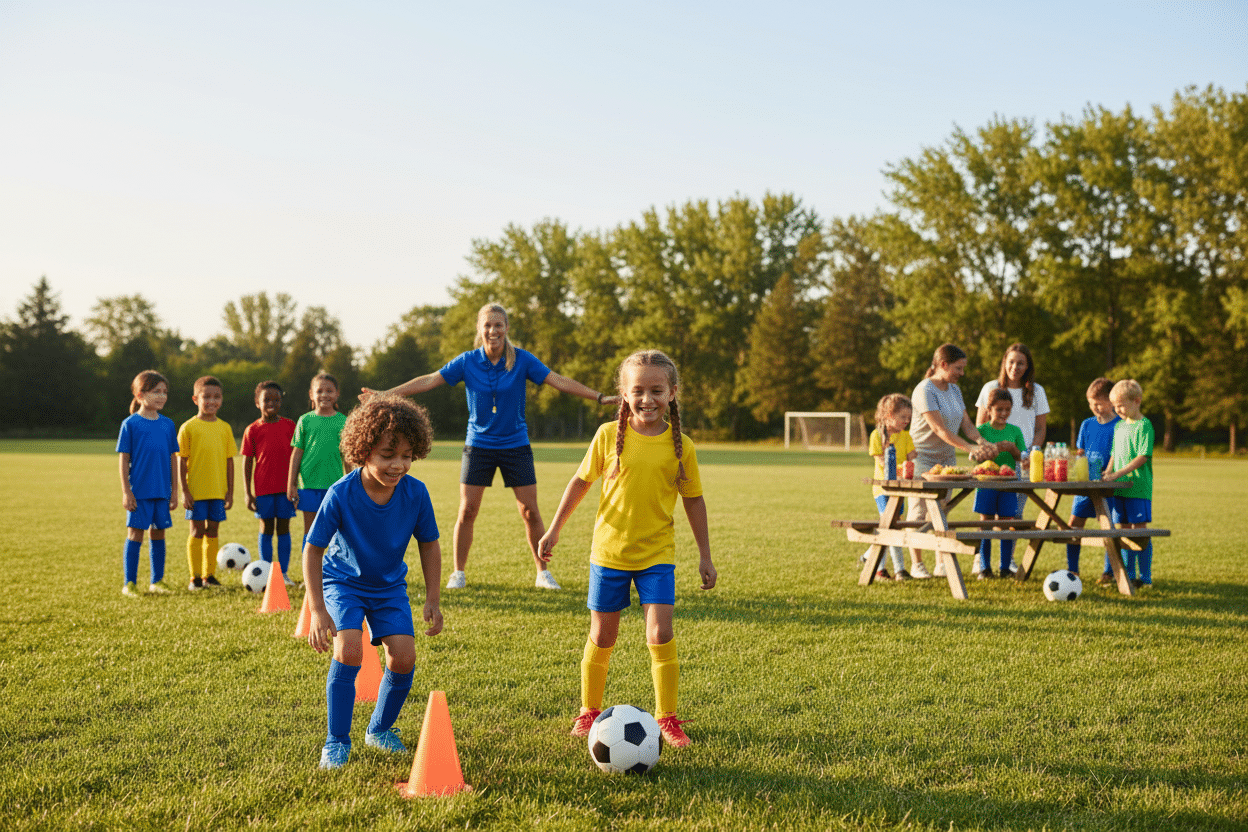
Getting your young athlete ready for their first soccer camp can stir up a mix of excitement and nerves—for both of you.
I want to help you turn that uncertainty into confidence. A youth soccer program is a fantastic chance for your child to grow. They’ll learn new skills, meet friends who share their passion, and train with dedicated coaches.
These programs usually run for about a week. They welcome players from ages six to sixteen. Coaches group them by age to keep things fun and fair.
The experience can feel very different for each child. An outgoing player might dive right in, while a quieter one may need a little more time to feel comfortable.
Good planning makes all the difference. I’ve watched kids arrive fully prepared and have the time of their lives. I’ve also seen others struggle because they weren’t ready for the new routines and challenges.
This guide shares the practical steps that actually work. It covers everything from what to pack to how to get your child mentally and physically set. With the right support, this week can build incredible skills and lasting confidence.
Key Takeaways
- Soccer camps offer a focused opportunity for young players to improve their game quickly.
- Proper planning is the key to a positive and rewarding experience for your child.
- These programs group kids by age, creating a suitable environment for learning and fun.
- Helping your child get ready mentally is just as important as packing the right gear.
- A well-prepared player is more likely to make new friends and gain confidence.
- The camp week introduces new coaches, routines, and constructive feedback.
- Your support as a parent can turn this adventure into a cherished memory for your kid.
Essential Soccer camp preparation tips
Let’s talk about the practical items that will support your kid from morning until night. Good planning here prevents daily stress and lets them focus on having fun.
Review Your Packing List
Start with a complete list. This simple step stops you from forgetting important things at home. Sunscreen is non-negotiable. Hours in the sun demand SPF 50, and you must remind your child to reapply it.
Pack Vaseline for toes and heels to prevent blisters. Include aloe gel just in case. Flip-flops are a must for shower areas.
Organize Daily Clothing and Toiletries
Pack fresh clothes for each day. Wearing the same sweaty kit causes skin irritation. Organizing outfits ahead of time is a game-changer.
| Item | Quantity Per Day | Notes |
|---|---|---|
| T-Shirts | 2 | One for training, one for after. |
| Athletic Socks | 2 pairs | Keep feet dry and comfortable. |
| Shorts | 1 pair | Lightweight and breathable. |
| Underwear | 2 pairs | Fresh change is essential. |
| Comfortable Shoes | 1 pair | For walking to and from the field. |
For toiletries, use a small bucket. It holds a towel, toothbrush, toothpaste, soap, and a washcloth neatly.
Include Sunscreen, Water, and Extras
Hydration is critical. Pack a water bottle for their bag and a multi-pack for the room. Tell them to fill it before every session.
A small fan helps with sleep in warm dorms. Give cash for snacks or use the camp bank service. Finally, label every single item with your child’s name.
Pre-Camp Planning and Routine Setup
The week before the program starts is a perfect time to build helpful habits. Your calm guidance makes a huge difference. A child’s age shapes their needs. Younger ones often need more reassurance.
Establish a Pre-Camp Routine
Start adjusting sleep schedules a few days early. Serve healthy meals similar to what they’ll get there. This helps their body clock adapt smoothly.
Add some light activity into each day. A short kick-about in the yard builds positive anticipation. It turns nervous energy into excitement.
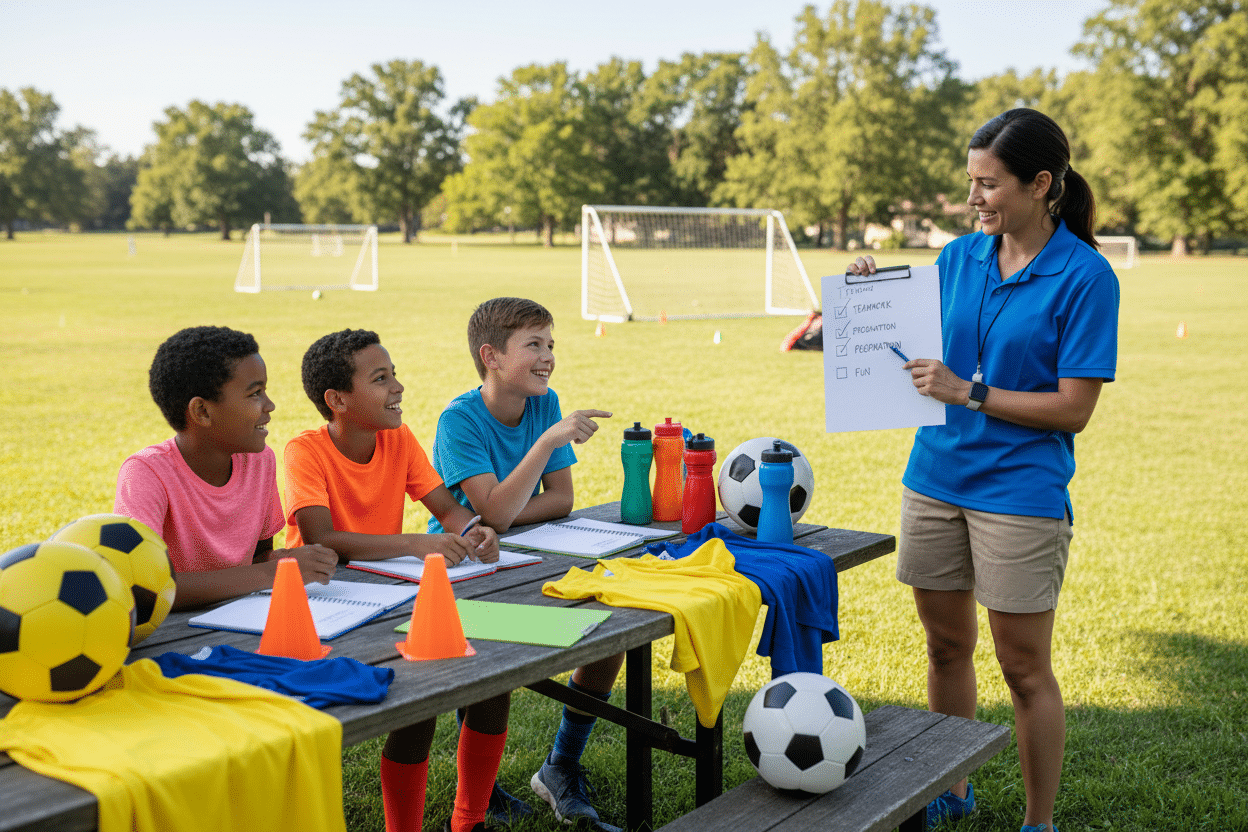
Your attitude is contagious. Listen to their thoughts without pressure. I’ve found making a simple list together works wonders. Write down the fun parts of a soccer camp. New friends and learning cool moves always top the list.
Schedule Travel and Drop-Off Details
Plan your route and arrival time before the first day. Know exactly where to go. This preparation cuts morning stress for everyone.
Walk your child through what will happen. Explain where you’ll say goodbye. Knowing what to expect is a great way to build confidence.
Your calm smile at drop-off is powerful. It tells them they’re safe and this is an adventure. Your confidence helps them walk in ready to play.
Physical and Mental Preparation for Camp Success
Beyond the packing list, the real preparation happens with your child’s daily habits and attitude. Getting their body and mind ready is just as important as having the right cleats.
Boost Fitness Before Camp
Start a simple fitness routine a few weeks out. Running or playing in the yard builds stamina for long days. For more detailed guidance, check out these fitness tips for beginner soccer players.
Practice Basic Soccer Skills
Spend 15 minutes daily on dribbling and passing. This builds confidence before meeting new coaches. The goal is to feel comfortable with the ball.
Focus on Hydration and Nutrition
Encourage your child to drink water constantly, not just when thirsty. Choose light meals with fruit and protein for steady energy. Save heavier treats for evening snacks.
Build a Positive Attitude
Remind your child that coaches are there to help. Encourage them to ask questions and learn from every experience. Being a supportive friend to other people makes the whole team stronger.
Conclusion
The final whistle blows, and your young player’s week of growth is complete. Your child will come home tired but buzzing with new skills and stories from the field. You’ve done the hard work. Now, they’re ready for an amazing experience.
The learning doesn’t stop on the last day. Encourage your child to practice the moves they learned. They can share these skills with their regular team. This way, the whole group gets better. This camp experience builds more than athletic ability. It builds confidence and friendship.
Talk about the fun they had. If they loved it, think about next year. If some things were hard, that’s a lesson too. Every experience teaches your child. For ongoing support, our guide on gear safety is a great resource. Your good planning gives your kid fun, learning, and growth all in one week.