
Soccer Parenting for Multiple Kids: Tips and Tricks
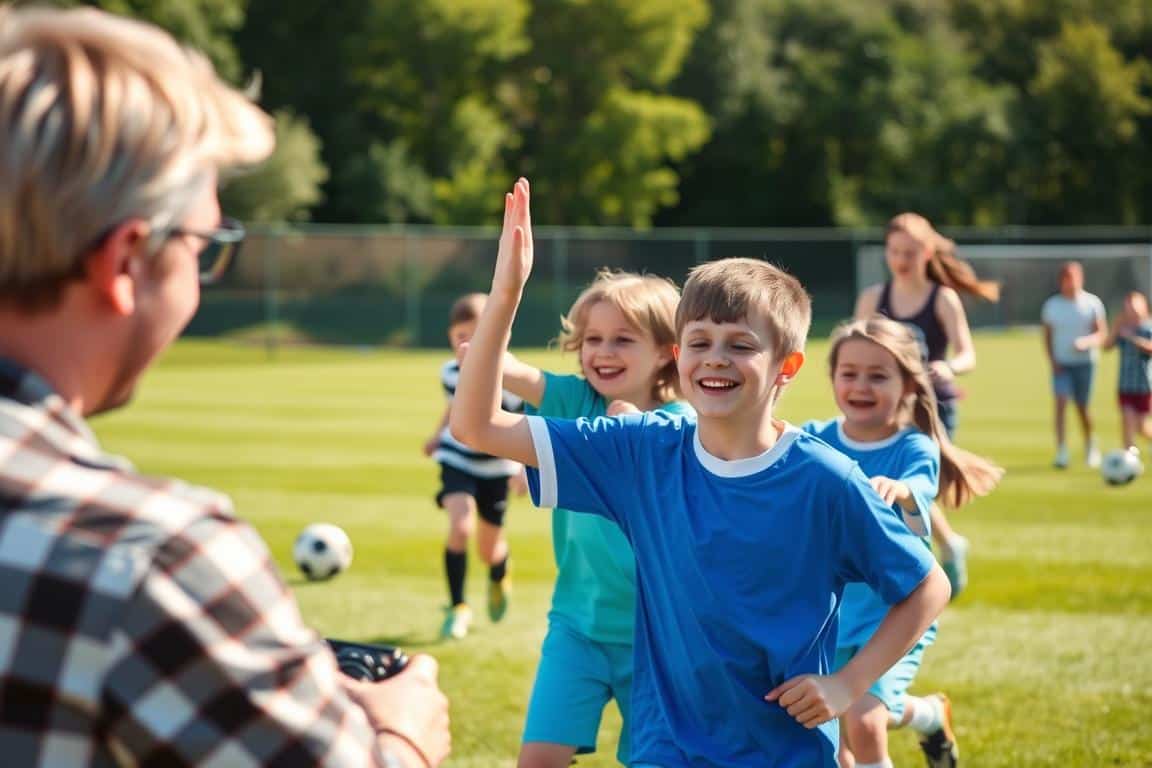
I know how chaotic life gets when you juggle practices, carpool shifts, and a season calendar. Soccer parenting for multiple kids can feel overwhelming, but a calm system makes it simple and fair.
I use clear steps that fit busy weeks. Start by estimating yearly costs, divide by 12, and add that amount to your monthly budget. Set firm limits on activity load so family time stays protected.
Build reliable carpools and a shared calendar with caregivers. Encourage children to try, make mistakes, and speak with their coach. That helps them grow on and off the field.
Key Takeaways
- Plan the season by budgeting yearly costs into monthly payments.
- Use a shared calendar and steady carpools to reduce stress.
- Set limits on activities so family life stays balanced.
- Encourage learning through mistakes and coach conversations.
- Create one clear system so each child feels seen and supported.
Soccer parenting for multiple kids: organize time, teams, and travel
Keeping three active players on the schedule takes a simple system and steady habits.
Build one master calendar that lists every team, practice, and game. Assign a color for each child. Sync that calendar to every phone and set two alerts per event — 2 hours and 30 minutes.
- Add field addresses, uniform colors, and coach contact info inside each event so the parent on duty has what they need.
- Make a small carpool map with trusted parents. List pick-up windows and confirm seat counts.
- Keep a go bag by the door with cleats, shin guards, water, and a spare jersey.
- On Sundays, review the week, update any changes, and resend the calendar link to coaches and parents.
| Plan | Key Items | Who |
|---|---|---|
| Calendar | Colors, addresses, alerts | All parents |
| Carpool | Driver list, pick-up windows, seat counts | Trusted parents |
| Road trip kit | Canopy, chairs, cooler, first aid | Parent on duty |
Plan the season budget and pack smart for the field
A clear budget and a simple pack list take the stress out of game days. List every season expense by child. Include registration, tournament fees, travel fuel and hotels, memberships, uniforms, cleats, shin guards, and replacement gear that kids outgrow fast.
Budget tip: Estimate the total yearly cost, divide by 12, and add that number to your monthly budget. This spreads costs and avoids one big hit. Add one team line for shared items like banners or coach gifts. Set a cap for snack bar spending to keep things steady.
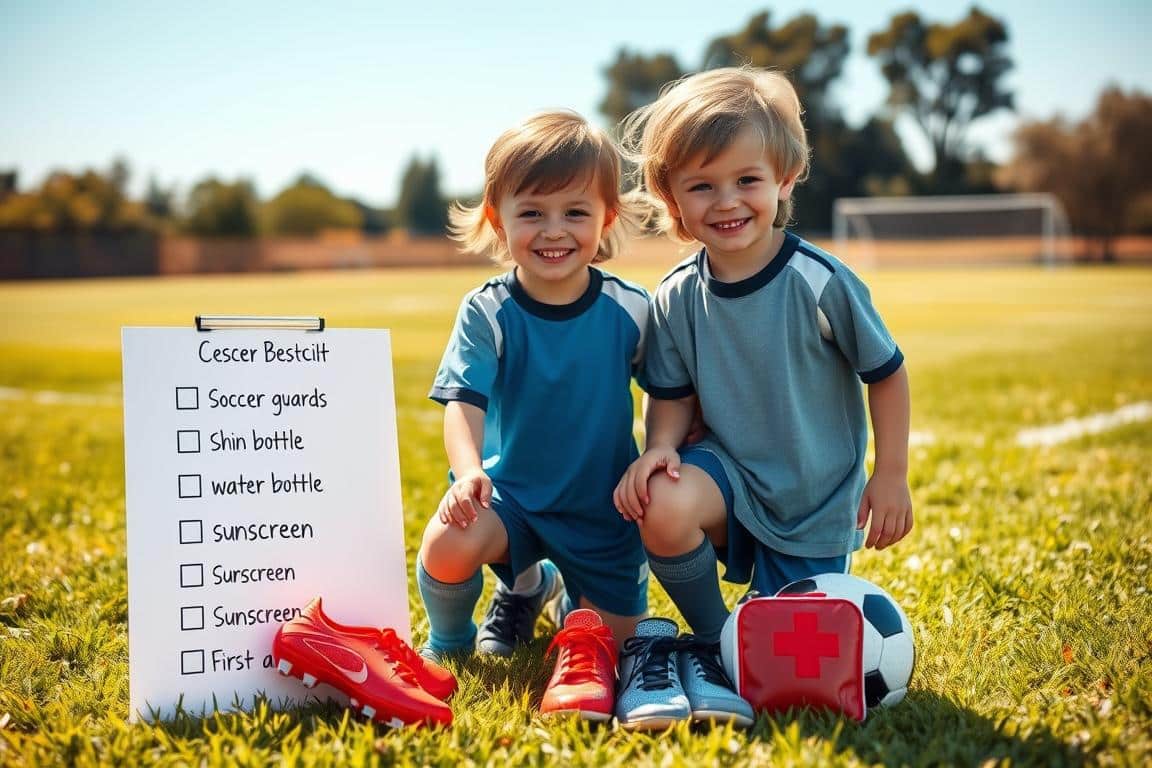
Gear checklist and road trip kit
- Field basics: cleats, shin guards, two pairs of socks, water, towel, sunscreen, extra layer.
- Game day bin: pump, spare laces, athletic tape, wipes, spare water bottle.
- Road trip kit: 10×10 canopy, 2–4 folding chairs, cooler with ice, water, fruit, sandwiches, full first aid kit.
| Item | Why | Who | Action |
|---|---|---|---|
| Registration & fees | Season access | Per child | Estimate yearly, divide by 12 |
| Uniforms & cleats | Fit changes fast | Per child | Track sizes; buy early sales |
| Shared team costs | Banners, gifts | Team | One line in budget |
| Road trip kit | Comfort and safety | Parents on duty | Store in trunk; restock monthly |
Label every thing with a name and phone number. Run a five-minute gear check before each game to confirm shoes, guards, and jerseys. Track spending after the first month and adjust so the season stays fun and affordable.
Support each player’s development the right way
You help a player most by rewarding effort and guiding simple goals. Keep guidance short and warm so the child feels safe to try new things.

Encourage mistakes and praise brave efforts
Be specific: praise brave attempts and quick recovery. Say, “Nice pressure” or “Great first touch.” This builds confidence and speeds development.
Let your player speak with the coach at the right age
Support your child to talk with the coach when they are ready. Clear, calm questions build leadership and a sense of ownership.
Ask about training goals and set simple targets at home
Ask what they practiced in training. Pick one simple goal for the week, like using the weak foot or a 1v1 move.
Cheer the process on game day and keep postgame light
On the sideline, cheer effort and smart play instead of shouting directions. After the game, keep comments brief: “I loved watching you.” Let them lead any deeper talk.
- Practice at home: 10 minutes of touches or a wall-pass set.
- Share wins with coaches so everyone aligns on next steps.
- Model respect for the coach, other players, and referees.
| Focus | Action | Why |
|---|---|---|
| Confidence | Praise brave attempts | Speeds development |
| Ownership | Child speaks with coach | Builds leadership |
| Practice | Small goals at home | Steady skill growth |
Conclusion
Small, steady habits make travel days easier and weekends calmer.
You now have a clear plan to guide each player and every team through busy weeks while saving time and stress. Keep a tight master calendar, share rides with trusted parents, and do a quick gear check the night before.
Budget across the year, stock a road kit, and bring one shade item to the field to keep the day fun. Cheer effort, ask calm questions, and let the coach and coaches lead on game day.
Start small this week: add the calendar event, confirm one carpool, and pick one short training habit at home. I’m here to help you keep things clear, kind, and steady as players grow in skill and leadership.