
How to Organize a Small Soccer Group at Home
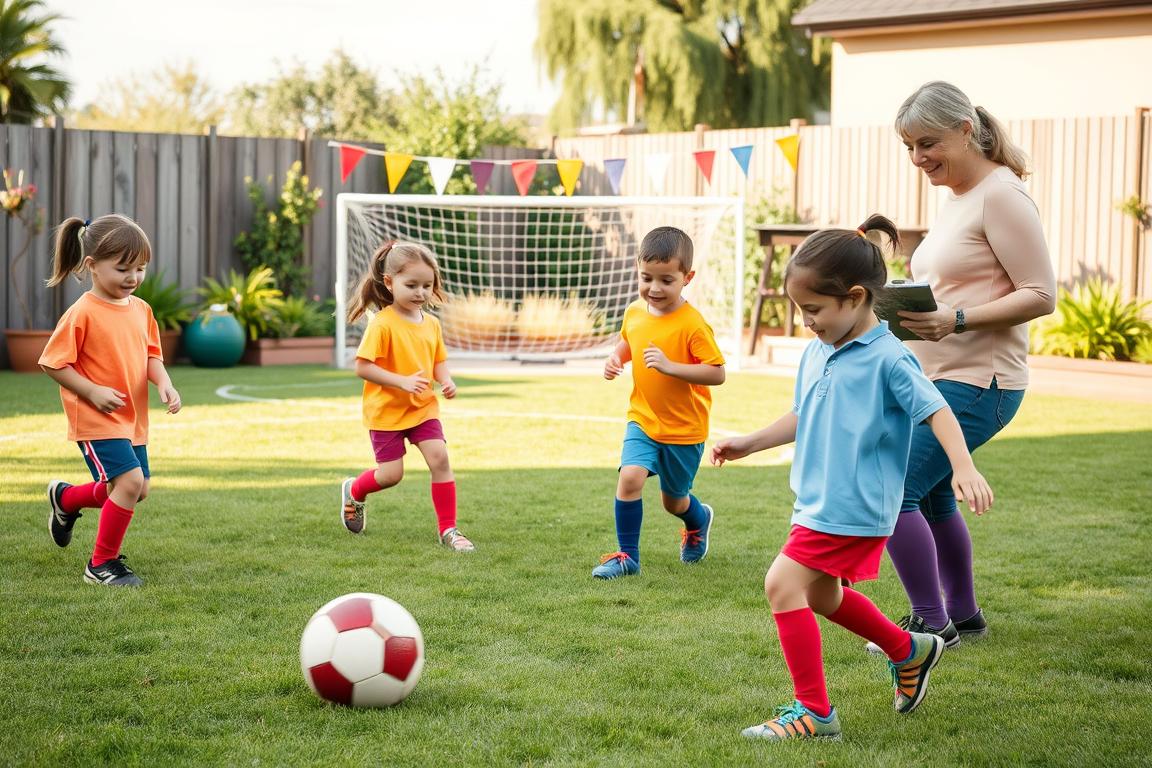
I teach parents and new coaches simple steps for running a safe, fun session with a few young players in your yard. This practical guide mixes proven methods like rondos and diamond passing with easy checklists you can use today.
I focus on quick wins: pick a safe field, set clear safety rules, and use low-cost gear that kids can handle. You will learn grouping tips so every youth gets real touches and clear progress.
Sessions follow a play-first flow: warm-up, skill work, and a short game. I include formats for 2–8 players and quick resets with a bag of balls so kids stay active and engaged.
Key Takeaways
- Set a simple goal: safety, fun, and clear progress.
- Choose a safe field and basic, kid-friendly gear.
- Group players by age and ability for fair touches.
- Use short formats like 4v1, 4v4+2, and rondos for game link.
- Keep admin simple: dates, gear, and a brief checklist.
- Quick coaching tips help even first-time coaches feel confident.
Start Simple: Why a Home Soccer Group Works for Youth
Short sessions after school help players grow skills without stress. I like quick windows of practice that fit family time. These sessions deliver steady ball touches and clear progress.
A home setup supports different learning styles. Start with play, coach one simple point, then play again. That Whole-Part-Whole pattern keeps kids curious and active.
Small teams give more reps. Each player gets the ball often. That builds confidence and faster technical development than endless scrimmages.
- Save travel time and keep the field size safe for young players.
- Play a short game, teach one clear idea, then return to play.
- Use 45-minute windows twice a week for steady development.
The family setting lowers stress and brings friends from your community. Keep one coaching point per session. A simple, positive routine beats one big weekend workout every time.
Set Up Your Space, Safety, and Equipment
Pick a level area and mark it clearly so kids know where the play zone is. Use cones or chalk to outline a small field. A clear boundary helps players see where drills end and play begins.
Walk the space and remove rocks, toys, and holes before anyone arrives. Keep water reachable and plan shade breaks for hot days. If the surface is hard, set no-slide and no-header rules.
- Use small pop-up goals or two cones per goal to save money and speed setup.
- Keep a bag of balls so drills restart fast and reps stay high.
- Choose size 3 or 4 balls for younger kids so control and confidence grow.
- Store cones, pinnies, and a first-aid kit in one bin so the team starts on time.
- Place a simple field rule sign: no glass, no pets off-leash, return balls quickly.
- Keep the area lit near dusk and stop if vision drops.
Quick checklist: mark the field, clear hazards, set water and shade, grab a bag of balls, and place a first-aid kit where parents can see it. These small steps keep youth safe and sessions running smoothly.
Match Players by Age, Skill, and Group Size
Match players by age and skill so every child gets the right challenge. Start by sorting the team by age. That keeps pace, attention, and rules consistent.
Next adjust for level. Move a player up or down if the drill is too easy or too hard. Small tweaks keep frustration low and progress steady.
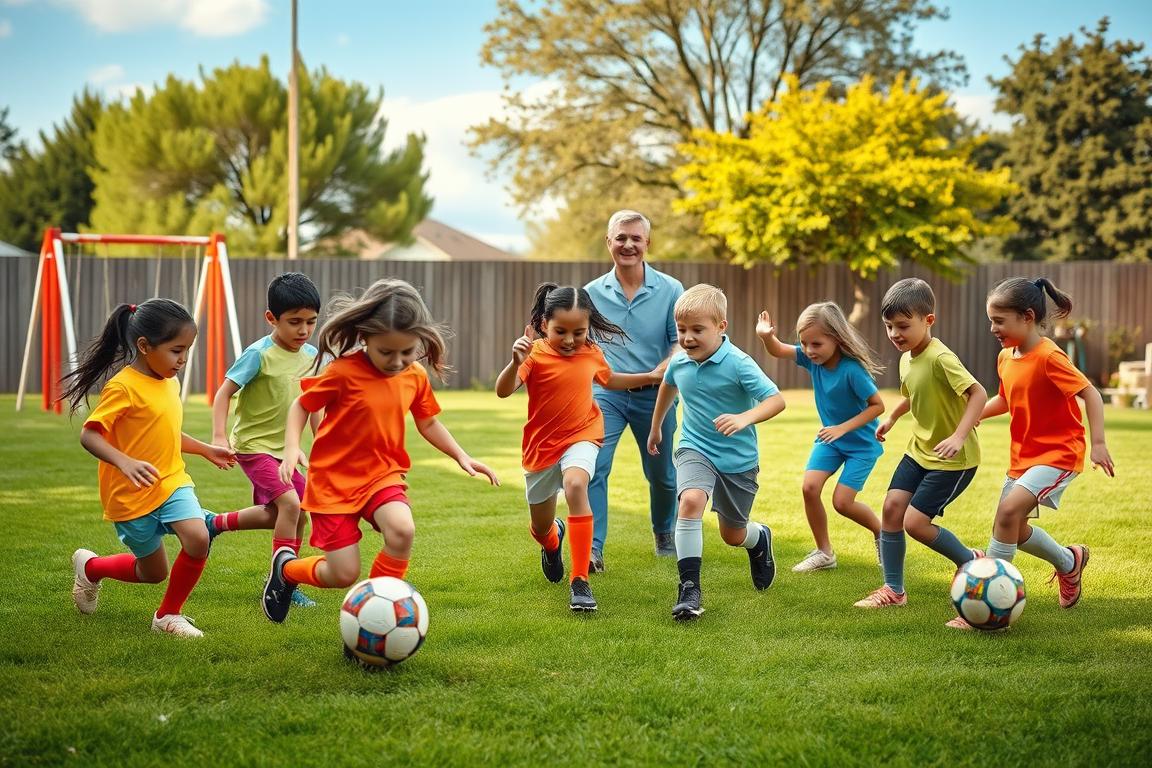
Pairs and trios: ideal for first touch and finishing
Use pairs for first touch, one-touch passing, and finishing reps. Keep sets short. Do 6–8 minute runs for focus.
Three-player sets teach redirect passes and front-foot plays. Rotate roles so each player practices passing, receiving, and finishing.
Groups of four to eight: vision, pressure, and game-like flow
Four players can use two balls for scanning and quick combos. Five to eight players run square passing, triangles, and simple rondos.
- Group by age first so speed and attention match.
- Adjust by level so each player gets the right challenge.
- Keep sets short (6–8 minutes) and rotate roles each set.
- Share quick information: inside foot, head up, soft first touch.
- Coaches watch shape and pace, then cue one fix at a time.
How to organize small soccer group at home
Set clear season goals and simple roles so every session runs with purpose. Pick one aim like “better first touch” or “pass and move.” Share that goal with your team so coaches and parents work toward the same result.
Set goals, roles, and simple rules
Assign roles: I lead warm-up, you track gear, another parent logs attendance. Keep three rules: be kind, return the ball fast, and listen during coaching.
Build a clear schedule for training sessions and games
Use a shared calendar and reminders for invites and quick yes/no replies. Start on time: a 5-minute warm-up, a 20-minute skill block, then a short game. Track small fees and gear lists in one shared note so nothing gets missed.
Make sure safety, hydration, and breaks are in place
Make sure water is ready and plan short breaks every 10–12 minutes on hot days. Set shade and rest times. Pick one or two methods each month so players see steady progress.
- Post simple information after each session: what we did and what comes next.
- Use quick drills and clear times so players stay focused and happy.
- Link teamwork ideas for younger kids with helpful activities like these teamwork activities.
Session Formats That Work in a Backyard
Pick a session format that lets players learn fast and play more. Short, clear blocks help everyone see progress and keep energy high.
I use three reliable methods that fit yards and family routines. Each method moves from simple moves into a live game so kids test what they learn.
Simple to Complex
Begin with isolated touches, then add pressure, and finish with a live game. An example chain works well: passing in pairs, diamond passing, 4v1, then 4v4+2.
Whole-Part-Whole
Start with a fun small game like 4v4+2. Coach one clear fix in the middle, such as angles or first touch. Return to play so players feel the change in a real setting.
Multi-themed stations
Set three cone areas for turns, passing, and shooting. Rotate players through quick drills, then end with a 4v4 game. This gives variety and a balanced development focus.
- Keep blocks short so attention stays high.
- Use one ball per pair and a few spare balls for flow.
- Coach on the move with quick cues: body open, first touch away, pass and follow.
- Rotate formats week by week to keep the experience fresh for the team.
End with a fun game so kids leave smiling and ready for the next session. This way the training links directly to play and long-term development.
Small-Group Drills by Player Count
I keep sets short and clear so every player gets real ball time and success. Below are quick, repeatable drills that fit yards and family fields. Use clear cues and tight work-rest cycles for focus.
Two players
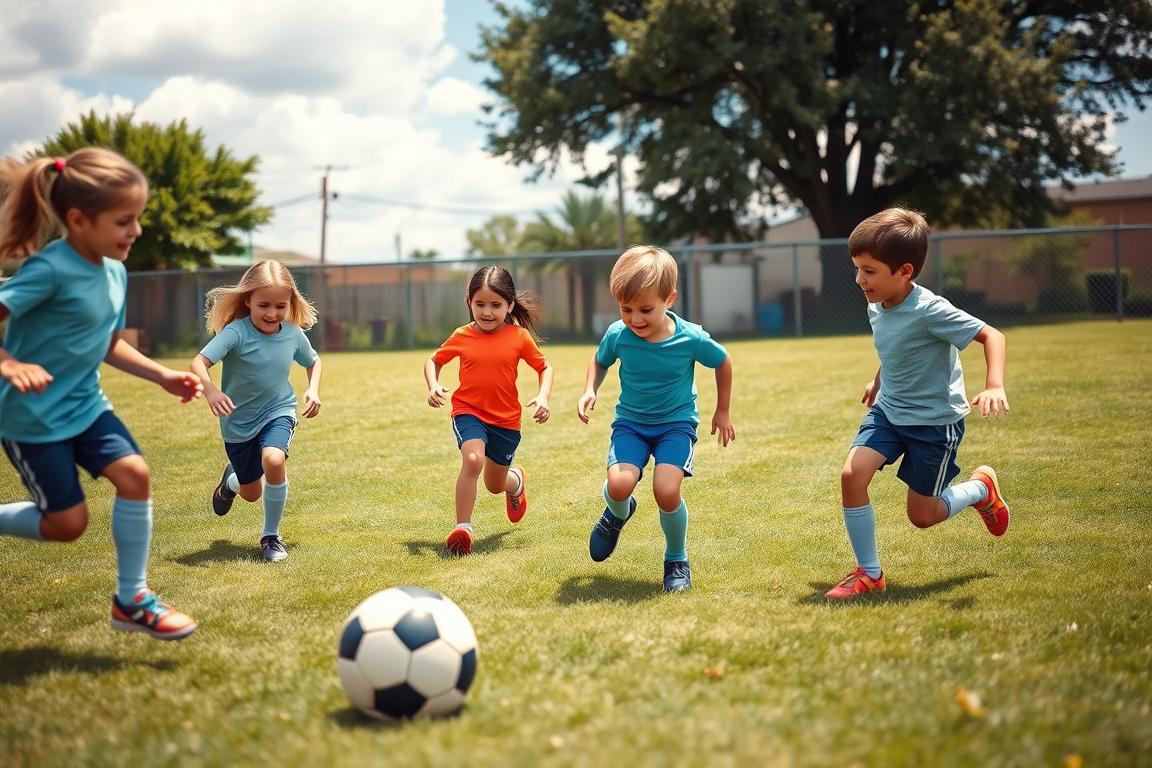
One-touch passing at about 5 yards. Aim for inside-foot contact and steady pace.
Add a finishing line with a pile of balls so each player shoots 8–12 times per set. Toss a bouncing ball for set-and-volley work and clean first touches.
Three players
Set a triangle where one player receives every time. Receive across the body with the front foot and play a quick pass.
On command, switch to two-touch work: push pass, bend pass, or cut across the body.
Four players
Run a two-ball vision game. Receivers call for the ball and redirect on one touch. Mix back passes so scanning and awareness improve.
Five to eight players
Build a square with cones. Pass and follow, then shift into triangle patterns.
Add one defender for light pressure, then finish with a brisk 5-minute rondo. Keep work-to-rest tight: 90 seconds on, 30 seconds off.
| Players | Primary Focus | Key Cue | Reps / Time |
|---|---|---|---|
| 2 | One-touch passing, finishing | Inside foot, 5 yards | 8–12 shots per set |
| 3 | Redirects, body shape | Front foot across body | 6–8 minute sets |
| 4 | Vision, quick combos | Call, redirect | 90s work / 30s rest |
| 5–8 | Square passing, rondos | Pass & follow, press light | 5 min rondo finish |
Want a few ready routines for youth training? Check these practice routines for simple, repeatable plans the whole team will enjoy.
Keep It Fun, Organized, and on Budget
Clear messages and steady routines help the team arrive ready. Use one main channel for times, quick updates, and last-minute changes. That saves questions and keeps players on the same page.
Use simple communication for times and attendance
Choose a single app or group chat that handles calendars and reminders. One app can track attendance and send alerts for cancelled sessions.
Ask parents to confirm who will come before practice. That way I can set pairs and squads fast. Short, friendly messages work best.
Track balls, gear, and small fees with shared notes or an app
Keep gear and money clear. Use a shared note for cones, pinnies, and balls. Use a payment tool for small fees and automatic reminders.
Rotate helpers so coaches stay focused on training. Start and end on time. That builds trust with families and fits school windows.
- Post practice times, location, and a quick packing list.
- Ask for attendance confirmations before sessions.
- Track fees and send reminders in one place.
- Celebrate a small win each week to keep energy high.
| Item | Why it matters | Tool example | Target |
|---|---|---|---|
| Calendar & reminders | Reduces no-shows and saves time | Shared app (calendar + chat) | Confirm times weekly |
| Fees collection | Simplifies money handling | Payment app for small fees | Track monthly |
| Gear list | Prevents missing cones and balls | Shared note or checklist | Update before each training |
| Helpers | Lets the coach focus on players | Rotate parent roles | One helper per session |
Link Home Training to Community, Leagues, and Tournaments
Use what you’ve practiced in the yard as a bridge to league play, scrimmages, and local tournaments. This step helps players test skills in new settings and meet other families in the community.
Choose levels and formats that fit age and experience
Ask your local league which formats they use this season. Younger kids often play small-sided games. Older players might enter brackets or round-robin play.
Pick a level that matches your team so games stay fair. If matches are lopsided, set in-game goals like “three passes before a shot.” That keeps learning high even in uneven games.
Share progress on social media and connect with local teams
Post short clips and quick updates on social media to spread word and find friendly scrimmages. Message nearby teams and set age-appropriate games that match your level.
- Post availability and deadlines so families know whether you’re entering a league or a tournament.
- Keep warm-ups simple: passing ladders and first-touch gates.
- Track fees, travel time, and school calendars before you lock dates.
| Action | Why | Tip |
|---|---|---|
| Check league formats | Matches fit your age and level | Call or email the registrar |
| Choose division | Safe, fair games | Pick experience-matching brackets |
| Share progress | Find scrimmages and grow community | Short clips work best |
Conclusion
Finish each session with a clear win so every player leaves proud.
Keep the plan simple. Start with a short game, teach one goal, then play again. This helps players feel progress fast.
Use pairs and trios for first touch work, then move up for combos. Keep a bag ready with a ball, cones, and a pop-up goal so set-up takes minutes.
Run two training sessions a week. Track times, small fees, and dates in one shared note so your coach brain stays calm. Check local league and tournament options when the team is ready.
Make sure every player leaves smiling. This is the best way to build skills, development, and love for the game. I’m cheering for your team — see you on the grass next time!