
10 Left Foot Training Ideas for Toddlers You Can Try
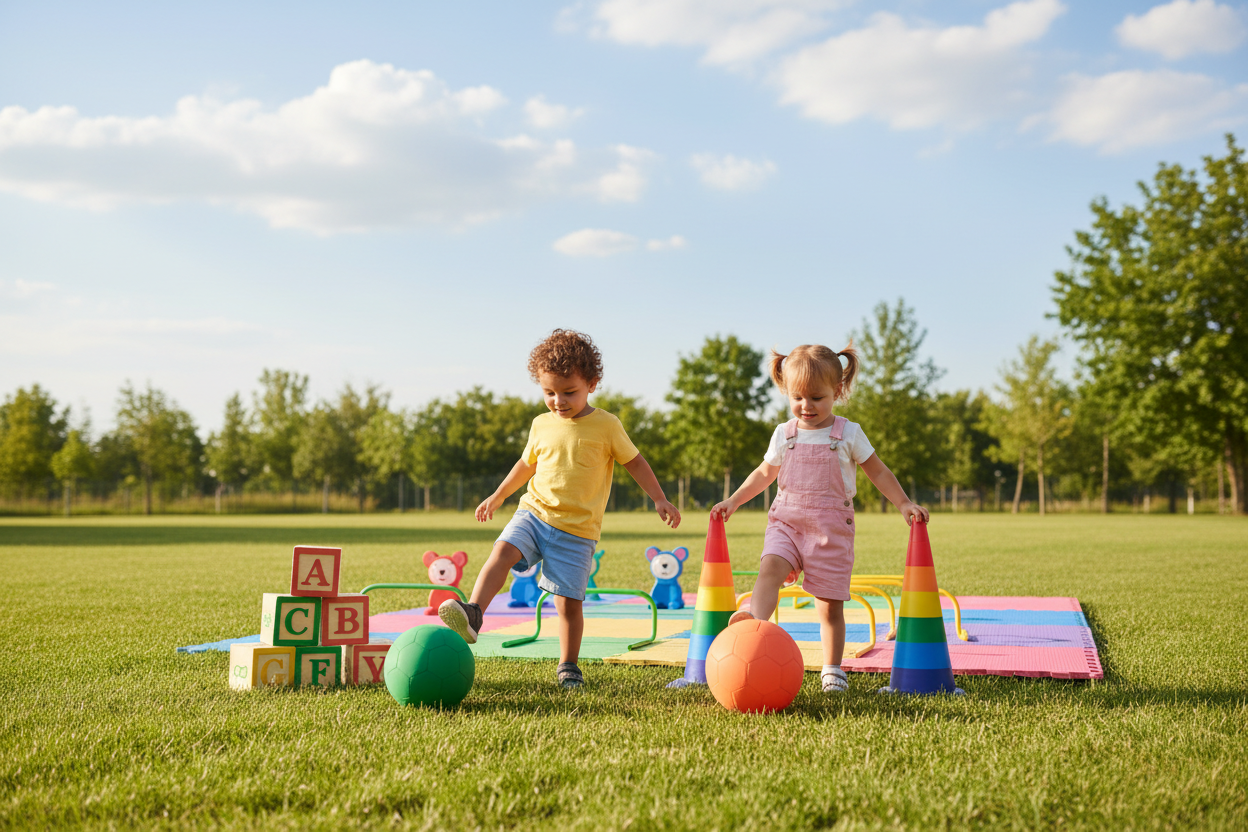
Imagine your little athlete zooming across the grass with these left foot training ideas for toddlers that spark joy and balance.
It is amazing to watch a young child explore the world with such energy and curiosity.
Developing every part of a growing body helps them stay steady as they learn to run and play.
A child’s non-dominant side often needs extra movement to catch up with the stronger side.
Practicing with that other side helps youngsters develop strong physical skills early in life.
I love seeing how simple exercises build confidence and make your little one feel like a superstar.
Establishing a solid foundation now ensures your kids grow with confidence and agility.
These engaging activities transform standard learning into a fun adventure that strengthens both feet equally while building new skills!
Each small step counts toward a lifetime of active fun.
Key Takeaways
- Boosts confidence in physical abilities.
- Encourages balanced coordination.
- Makes learning feel like playtime.
- Supports healthy physical development.
- Builds strength in both feet.
- Keeps small feet moving through play.
- Prepares kids to enjoy future sports.
Why Your Toddler Needs Left Foot Training
Helping your toddler use their left foot is a great way to build a balanced and strong body. Most children naturally favor their right foot, so the left side often needs some extra love. When one side is weaker than the other, the whole leg has to work much harder to keep up.
Weak foot muscles can make walking or running feel quite difficult for your little one. These muscles might feel too tight or too loose, which often causes unwanted pain as they grow. Early training helps these muscles grow strong and may even help their arch rise up properly.
By practicing with the left side, you help your child avoid future movement problems. Strong feet provide a solid base to prevent muscle pain as they become more active. You can learn more about how to improve soccer footwork to keep them moving happily and safely!
Kids who use both feet feel more confident during playtime. They gain better control over their movements and balance. Learning to use both sides helps them enjoy sports without any pain later on in life.
Training the left side creates a strong foundation for active children. You want both feet to work as a team to stop back pain before it ever starts. Giving equal attention and practice to each foot is the best gift for their physical growth!
| Focus Area | Training Impact | Long-Term Benefit |
|---|---|---|
| Balance | Builds equal strength in both feet | Better coordination and stability |
| Muscle Health | Loosens tight muscles and builds weak ones | Moving without discomfort or strain |
| Confidence | Reduces reliance on a single lead side | Fearless approach to new activities |
| Posture | Supports natural arch and leg alignment | Healthy growth and body mechanics |
How Left Foot Exercises Help Your Child
Working on left foot movements helps your toddler feel more balanced and capable in every step they take. I love watching little ones discover what their bodies can do when we give them the right tools. These simple exercises provide a strong physical foundation that lasts a lifetime.
Stronger Muscles in the Foot and Leg
Left foot exercises directly target the small foot muscles that support your child’s arch. These tiny muscles work hard to help the leg move correctly during active play. Building these specific areas ensures the foot works properly on every surface.
Strong foot muscles provide a very stable base for the entire body. This support is vital as your toddler starts running and jumping more often. You will see them move with much more power and much less fatigue!
Better Balance and Body Control
When these muscles get stronger, your toddler gains much better balance. This means they experience fewer falls and have more control when they explore the park. Training the left side helps them develop equal strength across both legs.
| Focus Area | Physical Benefit | Real-Life Outcome |
|---|---|---|
| Arch Strength | Better foot alignment | Stable walking on grass |
| Left-Side Power | Symmetrical movement | Better climbing skills |
| Foot Awareness | Fine motor development | Faster learning in sports |
Better balance gives your child more control during fast-paced games. It also improves their general coordination and fine motor skills. You will notice they have much more control when they try to kick a ball or climb stairs.
More Confidence in Movement
As your toddler practices these movements, they build real confidence in their abilities. They can keep up with other kids and learn new skills faster than before. Feeling comfortable in their own skin makes every playground visit more fun for everyone!
I find that children who feel stable are more likely to try new things. They stop worrying about falling and start focusing on the joy of the game. Your encouragement makes all the difference in their growth!
10 Left Foot Training Ideas for Toddlers
Let’s explore ten playful left foot training ideas that build strength and coordination for your child. These activities turn simple movements into a fun game that your little one will enjoy every day.
You do not need expensive gear to start these drills at home. I find that using household items makes the process feel like regular playtime. Your toddler will develop better coordination and balance without even realizing they are working hard.
These exercises focus specifically on the left side to ensure both sides of the body grow strong together. By spending a few minutes on these tasks, you help your child gain the control they need for soccer and running.
1. Flamingo Stand on Left Foot
To begin the Flamingo Stand, have your child stand feet hip-width apart on the floor. Ask them to stretch both arms upward and bring their hands together like a tall bird. This position helps them focus on their core stability from the very start.
Now, have them put all their weight onto the left leg while bending the right one. They should rest the sole of their right foot against their left knee. This challenge forces the left ankle to stay steady and strong.
For an extra challenge, ask them to stand on their left toe and hold it for a few seconds. I recommend doing 2 sets of 5 repetitions on this side. Remember to give them 30 seconds of rest between each set to keep them happy.
2. Marble Pickups with Left Toes
This activity is a fantastic way to build coordination and fine motor skills. Scatter several marbles on the floor near a small bowl or a soft ball. Your toddler will use their left toes to grab each marble one by one.
Encourage them to move slowly to keep control over the small objects. This exercise targets the tiny muscles that support the arch of the foot. Strengthening these areas helps with overall balance and movement.
You can turn this into a race against the clock to keep it exciting. Make sure they only use the left side to complete the task. Using marbles makes the movement feel like a treasure hunt rather than a chore.
3. Towel Scrunches Using Left Foot
Place a small hand towel flat on a smooth floor surface. Have your child sit in a chair or stand feet firmly while placing their left foot on the edge. The goal is to pull the towel toward them using only their toes.
This curling motion works the deep muscles within the feet. It is a great way to build a strong arch and may help prevent future foot pain. I love this drill because you can do it while watching a favorite cartoon.
Repeat this five times until the entire towel is bunched up under their heel. Once they finish, have them use their toes to push the towel back out. This dual motion provides a full workout for the bottom of the foot.
4. Heel Raises on Left Foot Only
Heel raises are perfect for building power in the lower part of the leg. Have your toddler stand near a wall or a sturdy chair for balance. They should lift their right foot off the ground so all weight is on the left.
Ask them to slowly rise onto the ball of their left foot. Hold this high position for two seconds before lowering back down slowly. This slow movement builds a very stable ankle for active play.
Try to complete ten raises in a row if they are able. If they wobble, just offer a hand for support to keep their confidence high. This exercise makes it much easier for them to run and jump later on.
5. One-Leg Hopping in Figure Eight
Create a figure-eight pattern on the floor using colorful tape or a few toys. Your child will try to hop along this path using only one foot. Focus specifically on the left side to build lateral strength.
Hopping through curves requires great control and awareness of their body position. It teaches the ankle how to handle different angles during movement. This skill is vital for sports like soccer where quick turns are common.
Encourage them to land softly on the ball of their foot to protect their joints. I suggest doing three laps around the figure eight. This game always brings out lots of giggles and high energy!
6. Toe Caterpillar Walk
The Caterpillar Walk is a silly and effective way to move across the room. Your toddler starts with their feet flat on the floor. They must move forward by only scrunching their toes to pull their heel forward.
It looks just like a tiny caterpillar inching along a leaf. This movement provides great resistance and strengthens every toe individually. It is a wonderful way to improve the coordination of the entire lower limb.
See how far they can go in thirty seconds. You can even join in to show them how it is done. It is a low-impact exercise that delivers high results for foot health.
7. Heel and Toe Walking
Walking on different parts of the feet challenges a child’s sense of balance. First, ask your toddler to walk across the room only on their heels. Ensure their toes stay pointed up toward the ceiling the whole time.
After reaching the wall, have them turn around and walk back on their tiptoes. This exercise stretches and strengthens the muscles in the front and back of the foot. It is a simple way to improve how they carry their weight.
Keep the distance short at first to avoid making them too tired. I find that calling it a “giant walk” or “mouse walk” makes it more engaging. They will love switching between these two funny walking styles.
8. Snail Rope Rolling Game
Find a long piece of soft rope or a thick yarn and lay it straight on the floor. Your child will use their left foot to nudge the rope into a spiral shape. This “snail shell” shape requires precise movements from the toes.
This activity develops the fine motor control needed for intricate foot movements. Using a ball of yarn can also work if you don’t have a rope handy. It encourages the child to use their feet like hands to manipulate objects.
Once the snail is complete, they can “unroll” it by pulling the rope back out. It is a relaxing task that builds patience and coordination. This game is perfect for a quiet afternoon of training at home.
9. Towel Ironing with Feet
Tell your toddler they are going to help with the “ironing” today! Place a wrinkled towel on the floor and have them stand on it. Using their left foot, they must press down and smooth out every wrinkle.
They should slide their foot from the heel all the way to the toe. This pressing motion engages the core and builds strength in the ankle. It is a great way to teach them about steady pressure and control.
You can pretend the towel is a magic carpet that needs to be perfectly flat. Repeat this for sixty seconds until the surface looks smooth. It is a productive and fun way to work those muscles.
10. Balance Beam Walking
You can use a piece of tape on the floor to act as a balance beam. Ask your child to walk along the line using a heel-to-toe pattern. Each step with the left foot should be careful and deliberate.
This drill teaches the ankle to stay centered under the body’s weight. It improves the position of the foot during normal walking and running. If they fall off the “beam,” just encourage them to hop back on and try again.
Holding a small ball while walking can make the exercise even more challenging. I recommend practicing this for a few minutes each day. Stronger feet lead to a more confident and active toddler!
| Exercise Name | Main Equipment | Key Benefit | Duration/Reps |
|---|---|---|---|
| Flamingo Stand | None | Ankle Stability | 2 Sets x 5 Reps |
| Marble Pickups | Marbles, Bowl | Toe Coordination | 10 Marbles |
| Towel Scrunches | Hand Towel | Arch Strength | 5 Full Scrunches |
| Heel Raises | Chair (optional) | Leg Power | 10 Repetitions |
| Caterpillar Walk | Smooth Floor | Foot Flexibility | 30 Seconds |
How to Make These Exercises Fun for Your Toddler
You can transform any physical activity into a joyful bonding moment with just a bit of creativity. I believe that the secret to successful foot training is making every activity feel like a game. This keeps your child excited to practice every single day!
Turn Training into Games
When you turn exercises into fun challenges, kids do not even realize they are working hard. I love to place puzzle pieces on the floor for my little ones to pick up. They can place them into a board while doing squats to make movement feel like a win.
You can also pretend to be a duck and yell “quack quack” while walking. This is a silly way to make heel walking more enjoyable for everyone. Adding sound effects or pretend stories helps your child stay focused on the task.
Use Colorful Props and Toys
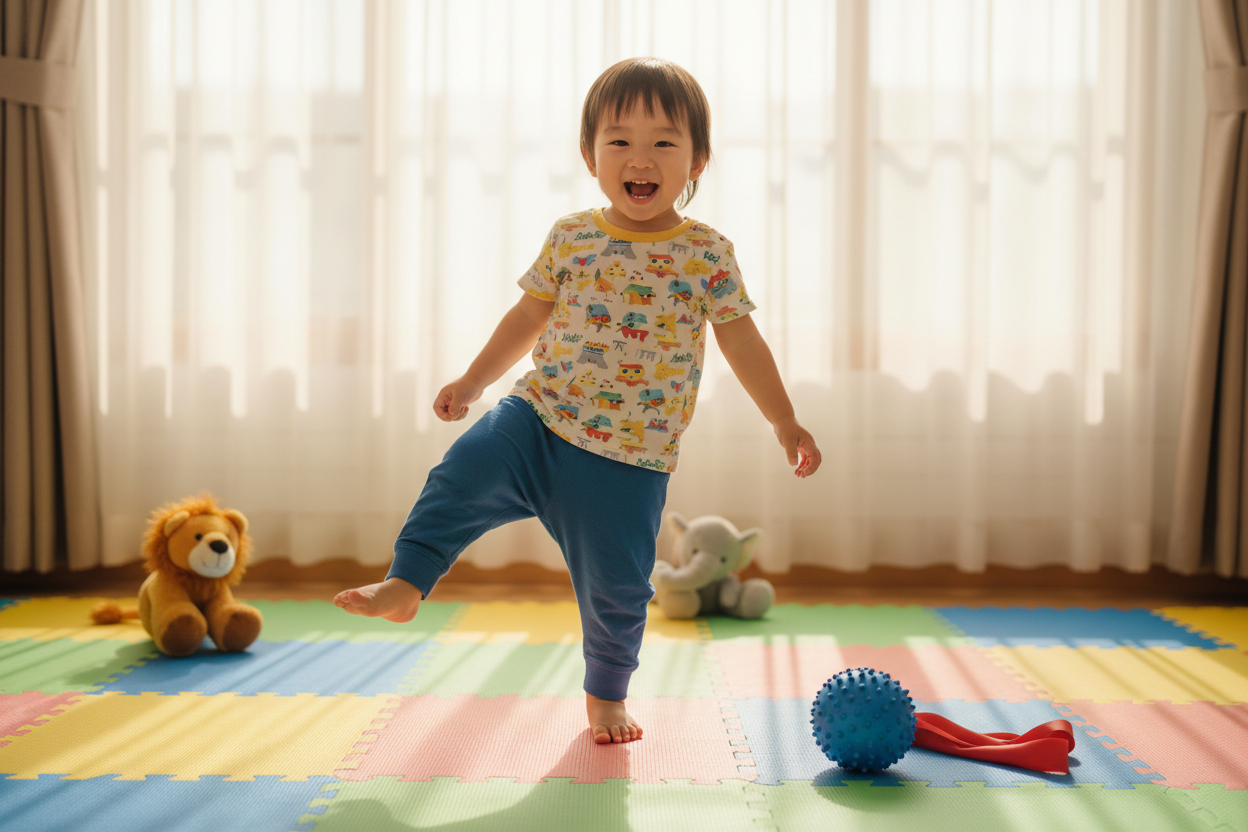
I recommend using bright props like a colorful ball or fun marbles to hold their attention. Place these items in front of your toddler to turn pickups into a special event. You can even place playdough under their feet to motivate them during toe taps!
Using a soft ball for gentle kicks is a great way to build confidence. These simple toys make each session feel special rather than like a chore. Kids love when their environment is filled with bright colors and squishy textures.
Keep Sessions Short and Sweet
Keep your training sessions short to match their energy levels. I find that 5 to 10 minutes of time is perfect for toddlers. This limited time ensures they do not get tired or frustrated too quickly.
Stopping before your child gets bored makes them look forward to the next session. I like to try different exercises each day to keep kids engaged and happy. Seeing exercises as a play session makes a huge difference in their progress.
Always celebrate small wins with stickers or cheers to show that practice time is a happy time! I want kids to feel like stars while they play with a ball and move their foot.
| Activity Name | Fun Element | Physical Benefit |
|---|---|---|
| Duck Walks | “Quack Quack” Sounds | Heel Strength |
| Puzzle Squats | Collecting Pieces | Better Balance |
| Playdough Taps | Squishy Textures | Toe Control |
| Marble Sort | Bright Colors | Fine Motor Skills |
Safety Tips When Training Your Toddler
Keeping your toddler safe while they play is my top priority for these activities. I want to help you guide your little one without any worries! Always stay close to your child to prevent falls or a twisted ankle during a training session.
Before starting, please talk to a professional about any potential problems or existing health concerns. If you notice your toddler has very tight leg muscles or starts to toe walk, make an appointment with a doctor soon. Safety should always be at the front of your head when practicing new moves.
Watch for any signs of pain in their foot, ankle, or knees while they move. If they feel pain, stop the exercise immediately and let them rest. We want to keep their growing feet healthy and strong without any unnecessary pain.
Encourage children to move on flat, clean surfaces to avoid slips. I recommend keeping sessions short so their little feet do not get too tired. You are doing a great job being a supportive coach for your little star!
Always hold the hand of your child if they feel wobbly on one leg. Make sure the foot is positioned correctly on the floor to maintain balance. Following these simple steps ensures every training moment stays happy and safe.
| Safety Area | Recommended Action | Benefit |
|---|---|---|
| Supervision | Stay within arm’s reach | Prevents sudden falls |
| Environment | Clear flat surfaces | Reduces tripping hazards |
| Monitoring | Check the foot for redness | Identifies discomfort early |
How Often Should Your Toddler Practice
Many parents ask me how much time they should spend on these special foot exercises. I recommend practicing once or twice a day to build new skills without causing any frustration. Short sessions are the best way to help your child stay focused and happy.
Keeping a routine helps your little one know what to expect during their playtime. I have found that following a simple structure makes the training feel like a natural part of the day. Use the table below to help plan your sessions for the best results.
| Activity Goal | Frequency | Rest Period |
|---|---|---|
| Daily Training | 1-2 Times Day | 30 seconds |
| Exercise Sets | 2-3 Sets | Brief Pause |
| Repetitions | 5 Per Side | Muscle Recovery |
Aim for two sets of five repetitions to give the foot and muscles enough time to recover. Daily consistency helps your toddler master their skills more than long, tiring sessions. You can help their feet get stronger by splitting the exercises throughout the morning and evening.
Building stronger muscles in the left foot is a journey that requires plenty of patience. Keep in mind that re-training the body for issues like toe walking can take months or even years. Every foot is unique, so encourage your toddler and celebrate every small win they achieve! Strong feet lead to a lifetime of confident movement and fun.
Signs Your Child Needs Extra Help
While practice is great, I want you to keep a close eye on how your child moves their feet. If your little one complains of persistent pain in their foot, ankle, or legs, please reach out to a professional immediately. Frequent tripping or losing balance on flat surfaces might mean they need more control or have muscle weakness in certain areas.
Watch out for extremely tight muscle areas in the legs that limit the way they move. If your toddler walks on their toes instead of using the whole foot and sole, this is a clear sign to watch. Unexpected toe walking or pain in the knees should never be ignored, as pain can even affect their head-to-toe comfort!
I believe pain management is vital for a happy foot and confident movement. If they struggle with a simple muscle exercise or can’t flex their ankle, a doctor can help. Your doctor can check if their toes or sole need extra support to stop the pain. Consistent pain during a muscle stretch or losing balance often means it is time to check their feet and each foot!
| Observation | Possible Sign | Recommended Action |
|---|---|---|
| Frequent Tripping | Muscle weakness | Consult a doctor |
| Walking on Toes | Tight leg muscles | Professional evaluation |
| Persistent Pain | Ankle or foot issue | Physical therapy referral |
Conclusion
Helping your little one develop their left foot doesn’t need to be a chore for you or them. These simple exercises help build strong foot muscles and improve coordination right at home. I believe that training your toddler regularly helps prevent future pain and boosts their confidence.
When you practice these fun activities, your child develops equal strength in both feet. This balance gives them better control and skills for kicking a ball. Your toddler will soon handle a soccer ball with their left leg as well as their right one. They can wiggle their toes and move their heels with absolute ease.
Strong feet create a stable foundation for the entire body. Every movement, from walking on the floor to chasing a ball, feels significantly easier for them. You can watch your child stand feet firmly on the ground while they practice a toe curl or a heel raise.
Use fun props to keep kids excited about their toe movements and heel activities. Remember that building muscle takes time, so be patient with your children. If you notice ongoing foot pain, please reach out to a professional to avoid long-term foot pain or discomfort.
Practicing in front of your toddler helps them learn the right position for their ankle. You are giving your kids a gift by teaching them to use both legs during play. Every small toe wiggle helps improve ball handling and position control as they grow.
Consistent practice ensures kids can play with a ball without any pain. Your toddler’s foot health matters for their future, so take a few minutes to support their foot growth and help them avoid pain. Watch as their foot strength and ball skills grow every single day with every heel lift!
Even if they mention pain, rest and proper toe stretches help them recover quickly. A healthy foot means they can play without pain, so focus on your toddler’s foot to prevent future pain. Manage your time together to work on those foot muscles, toes, and a strong heel to improve coordination. Strong foundations start today!