
Early Soccer Spatial Awareness Tips for Young Players
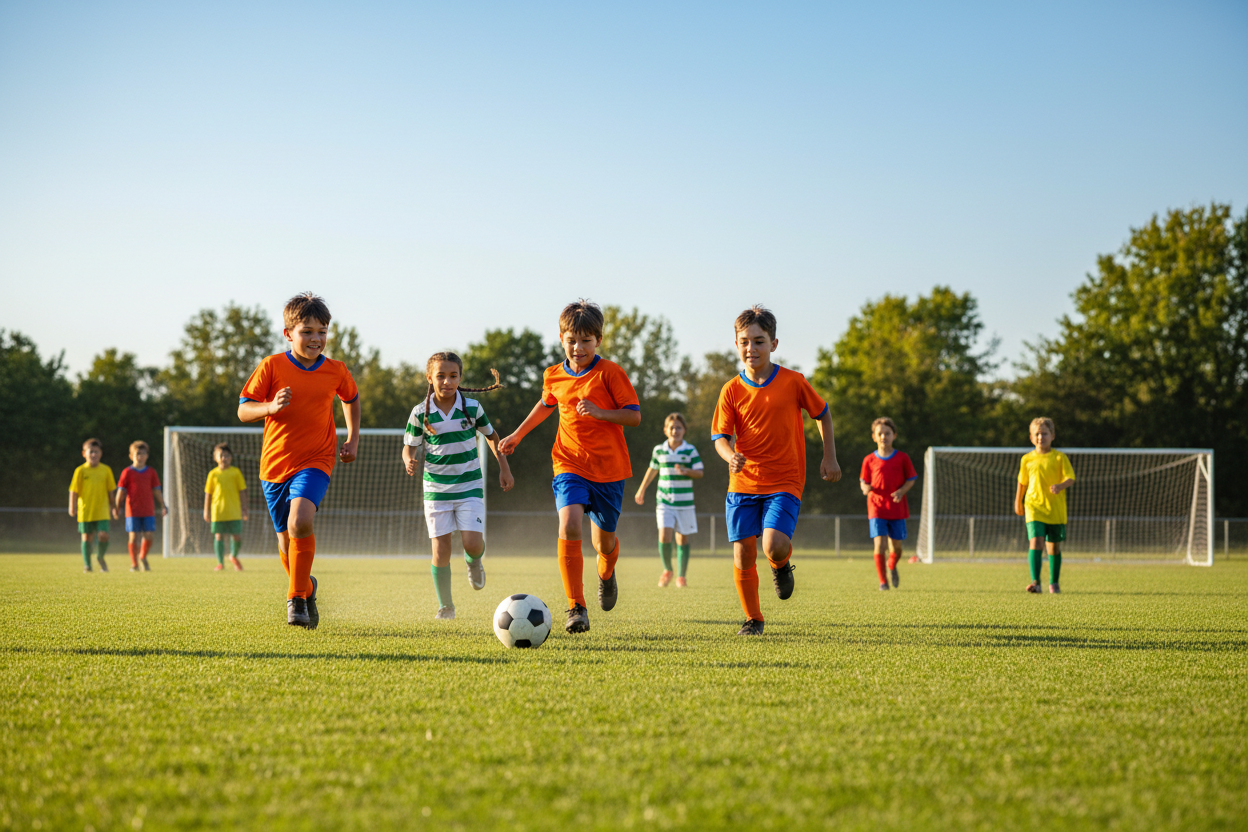
Seeing your young players find open space while everyone else chases the ball is a wonderful moment! I call this awareness, and it is simply the way a child understands their position on the field. This skill helps them see where their teammates are and where the goal is located during the match.
I am excited to share how you can help youth athletes read the game with more confidence and joy. We will focus on simple movements that help kids stop bunching up in a big crowd. By spreading out, they have more opportunity to move and score goals.
Improving at soccer should always feel like a fun adventure for your family without any extra pressure. These ideas will help you support your child’s growth while keeping things light and easy. You can build a strong foundation for future talent by starting with these basics today!
Key Takeaways
- Recognize open space to avoid crowding the ball.
- Track the position of teammates and opponents easily.
- Understand where to move before the ball arrives.
- Keep the game fun and pressure-free for kids.
- Build a strong foundation for future skill growth.
- Help parents coach with confidence and simple tools.
Why Spatial Awareness Matters for Young Soccer Players
I want to show you why knowing where to go on the field changes everything for a child. With strong awareness, young players can stay open and find space more easily. This skill helps them make faster and smarter decisions during a fast-moving game.
I will explain how this prevents your kids from crowding the ball like a swarm of bees. You will see that kids who find the right spots can help their team reach the goal more often. It turns a chaotic match into a fun learning experience for everyone!
Developing this ability now makes every other skill more effective for their future development. I want you to know that awareness gets better with simple practice. It is one of the most important elements for building confident soccer players.
- I want you to understand that better choices happen when kids look around.
- You will find that players with good vision become helpful leaders for their friends.
- I am going to show you how staying calm keeps the game fun and exciting.
- You will learn that reacting early is much better than reacting late.
| Player Skill | Low Awareness | High Awareness |
|---|---|---|
| Movement | Chases the ball directly | Moves into open areas |
| Passing | Kicks without looking | Finds open teammates |
| Positioning | Bunches with others | Spreads out the play |
What Is Spatial Awareness in Soccer
I want to help you understand that spatial awareness is like having a secret map of the field in your mind. It is the brain’s ability to understand your position on the grass at all times. This skill helps a young soccer player see the big picture while the game moves fast!
You need to know where your teammates are standing and where opponents might move next. It also means keeping your eyes on the ball while checking for open grass. By tracking opponents, you can find safe spots to help your team win.
Awareness is the perception of what is happening now and the projection of what will happen next. A child with good skills can see danger before it arrives. This helps them stay safe and make better choices with the ball. It is a mental picture that grows as you play more soccer!
| Skill Area | High Awareness | Low Awareness |
|---|---|---|
| Finding Space | Moves to open grass to help | Stands too close to others |
| Tracking People | Knows where everyone is standing | Only sees the person in front |
| Making Plays | Predicts where to pass early | Reacts slowly to game changes |
Teach the Head Check and Scanning Habit
I want to help you teach your young stars how to scan the field effectively. This means keeping their “head on a swivel” to find open space. I suggest using a simple mantra like “look around, what’s behind you?” to build spatial awareness early on.
Start with the Shoulder Check Drill
I love using a simple shoulder check drill to get kids comfortable. You can have them practice glancing over both shoulders every few steps. This helps them take in information with their peripheral vision before they even touch the ball.
It is a great way to introduce basic drills that focus on vision rather than just running. Encourage your players to see what is to their side frequently. Small glances make a big difference.
Use Simple Scanning Cues
Using fun cues makes training much more exciting for kids! You can call out colors or numbers while they play to keep their eyes up. I tell my team to “look before you touch” during every soccer practice.
This gives them time to make a better choice during a real game. You can even award points when players see a teammate before receiving the ball. Constant reminders help build this vital habit quickly.
| Scanning Cue | How to Use It | Benefit for Kids |
|---|---|---|
| “Check Shoulders” | Shout this right before a pass. | Helps kids see nearby defenders. |
| Color Cues | Hold up a colored cone to find. | Improves head-up vision habits. |
| “Look Before Touch” | Use as a pre-pass mantra. | Encourages faster decision making. |
| Point System | Give points for successful scans. | Makes awareness feel like a win. |
Early Soccer Spatial Awareness Tips Using Small-Sided Games
I love using small-sided games because they turn every practice into a fun adventure of discovery! These matches are the best tools for teaching kids how to find their way on the field. They encourage children to look for open areas without feeling like they are doing hard work. You can watch them learn to move and pass in a way that feels very natural.
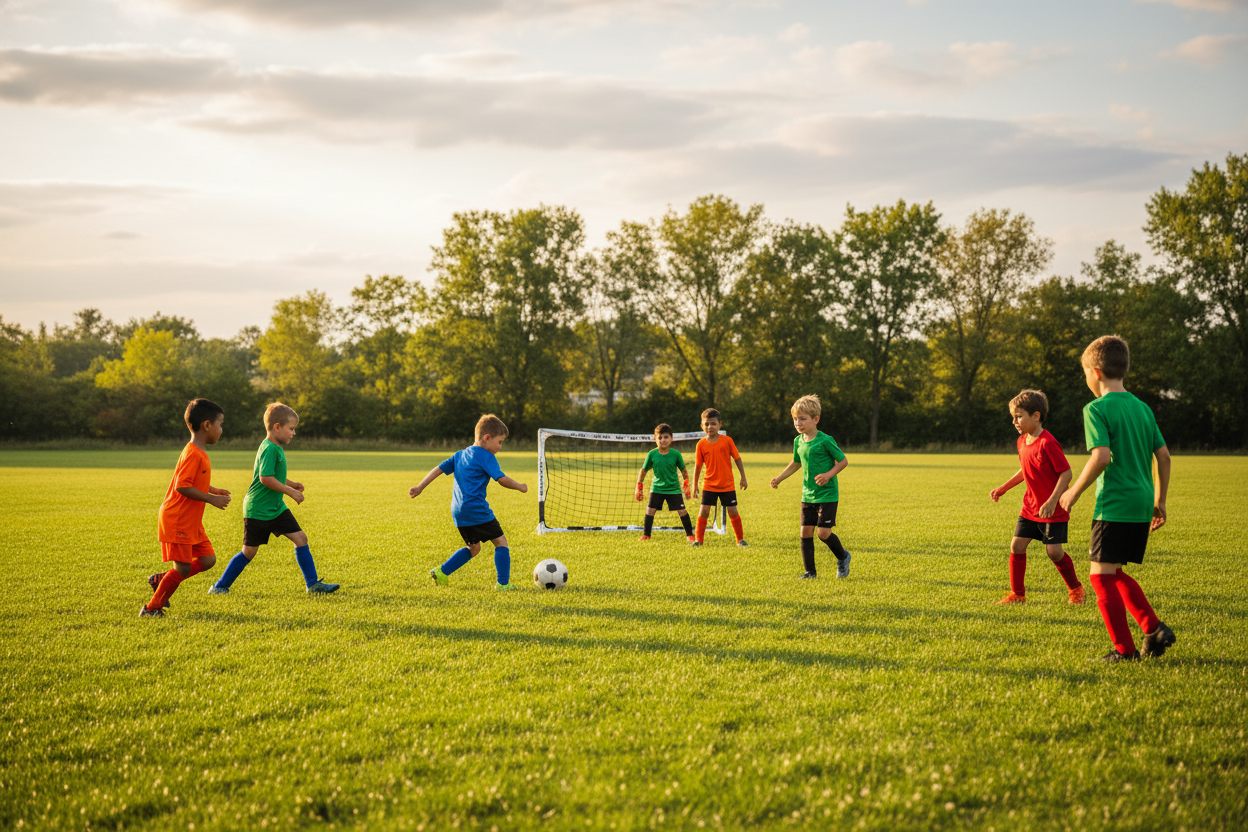
Small matches are great for building confidence in young athletes. Kids do not feel overwhelmed by too many people on the grass. Instead, they feel like they are part of the action at all times. This makes them want to try new things and move into open areas. Using smaller groups keeps everyone involved and active.
You will see your children having more fun while they learn. It is a great way to start your midfield training plans for kids and build skills early on. I always recommend this approach for beginners because it feels like a simple play session. It is the most effective way to help them grow.
Play 3v3 and 4v4 Games
Small formats like 3v3 or 4v4 are perfect for young players. In these situations, there is less crowding than in a full match. This gives every child more time to think and more chances to touch the ball. They must decide where to move because the space changes very quickly.
Smaller matches force them to look around and find their teammates. It is the best training to help them spread out naturally on the grass. You will notice they stop bunching up and start looking for better spots to play the ball. I want you to see how quickly they improve when the game is small.
Add Time and Space Pressure
You can make your training even better by adding a little bit of pressure. Try using sound triggers or light cues to simulate the chaos of a real match. This helps young players react faster when things get busy on the field. Adding these challenges makes kids think on their feet.
It prepares them for real-game soccer situations where they have very little space to move. I recommend using these small games to keep the energy high during your sessions. It makes every soccer practice feel like a real challenge while staying very fun for everyone involved! This balance keeps them coming back for more.
| Game Format | Main Focus | Awareness Benefit |
|---|---|---|
| 3v3 Small Match | Frequent Touches | Finding open passing lanes |
| 4v4 Small Match | Field Width | Learning to spread out |
| Sound Trigger Drills | Reaction Speed | Scanning under mental stress |
Build Communication Skills on the Field
I want to help you teach young players to use their voices to help their teammates on the field! Talking helps the entire team work together and make smarter decisions during a game. When players communicate, they share what they see with others.
As a coach, you should encourage children to give information freely and abundantly. This habit helps guide the play based on the game environment and open space. Even shy kids can learn to speak up when they spot danger or a clear path.
Talking also builds on-field leadership and awareness. By prioritizing talking, a player must look around more often to find details to share. You will find that a talking team is a much more successful one!
Providing more information helps the group stay organized and confident throughout the match. It makes every child feel like a leader and a vital part of the group.
Teach Basic Callouts
Simple callouts give valuable information to the person with the ball. You can teach your teammates to use short words like “turn” or “time.” These cues help a friend know if they can move forward safely.
Using these words helps the player avoid unexpected pressure from behind. A good coach celebrates great communication just like they celebrate a goal. This positive reinforcement makes the habit stick for every child on the squad.
Practice Giving Information
You should practice basic communication during every training session so it feels natural. Tell others where opponents are and where the open space exists. This helps everyone understand the pressure around the ball instantly.
Sharing information helps you become more situationally aware. It ensures everyone has the facts they need to succeed. Helping others with your voice is a great way to grow as a strong athlete.
| Callout | Meaning | Benefit |
|---|---|---|
| “Turn” | You have space behind you. | Advance the ball. |
| “Man on” | An opponent is close. | Protect the ball. |
| “Time” | No one is near you. | Stay calm and look. |
Teach Proper Body Position Basics
I’m going to show you how body position helps young players see more of the field! When kids stand the right way, they naturally gather more useful information. This makes scanning easier and more natural during a match.
Teaching kids to position their bodies correctly helps them spot opponents before they get too close. I love showing players how to receive passes while facing the action. This simple change gives kids a much better view of what is happening!
I often demonstrate this by having kids practice receiving passes while facing the whole team. This shift in their stance opens up new passing lanes. It builds confidence because defenders no longer surprise them.
You will find that these adjustments give kids a much better view of the action. Let’s make sure our young stars feel comfortable and ready on the grass! I always tell my students that how you stand is how you play.
| Stance Type | What to Do | Why it Works |
|---|---|---|
| Side-On | Turn your hips | See both ways |
| Backpedal | Move backward | Keep eyes on ball |
| Open | Face the goal | Spot open space |
Keep an Open Body Stance
You’ll learn that an open stance means standing sideways. This allows kids to see both the ball and the pitch at the same time. If a wide player stands this way, they can see at least three corners of the pitch.
I want you to encourage this position so every player feels ready. It helps them stay connected to the game. Being side-on makes it very easy to turn and run quickly toward the goal.
Always Track the Ball
I want you to remind players to always know where the ball is. You must never lose track of that soccer ball! Do not turn your back on it or become unaware of its location.
When moving away, kids should backpedal or look over their shoulder. This consistent awareness keeps them safe and involved. Good habits help a young player handle pressure with a smile.
It is vital to use your soccer awareness to stay in the game! I also remind them that their correct position is vital for the team. Let’s keep those eyes moving and feet ready!
Make Spatial Awareness Training Fun for Young Ages
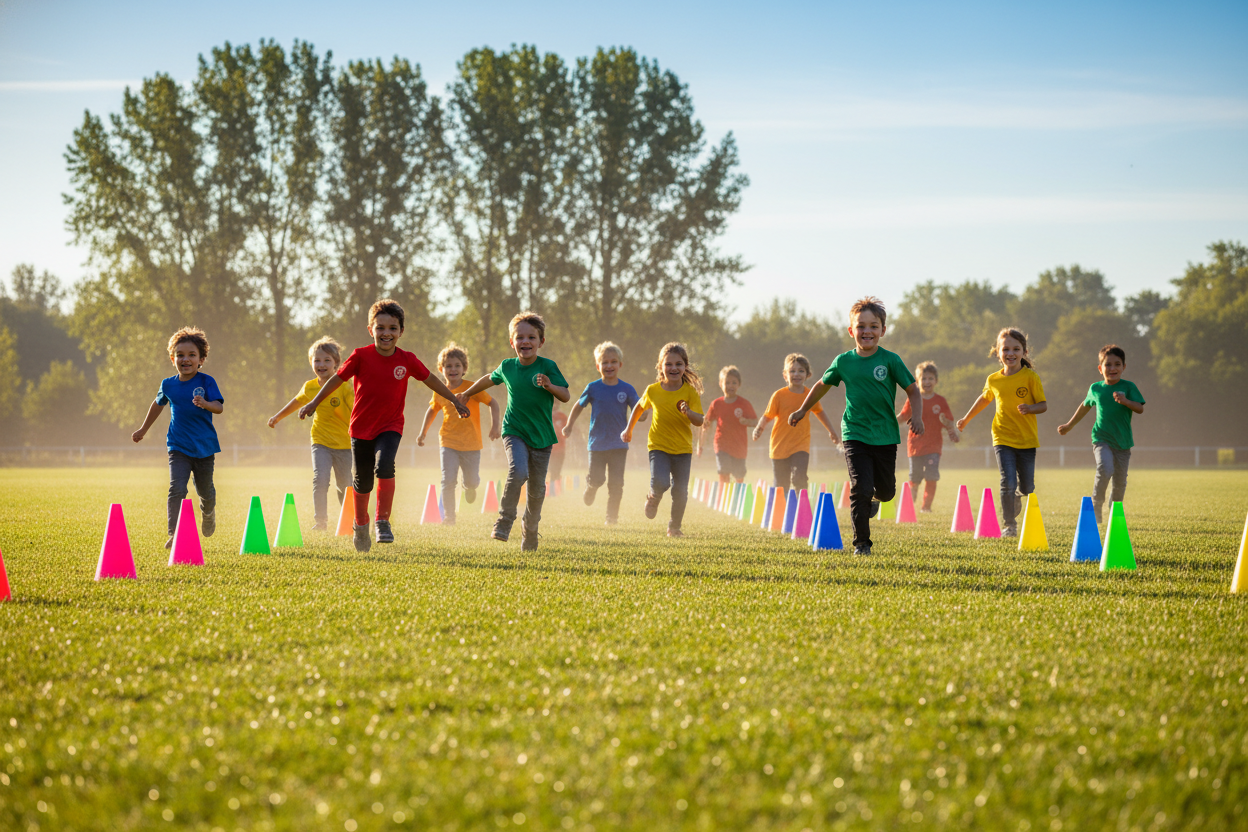
I want to show you creative ways to make awareness training exciting and enjoyable for young kids! Turning every challenge into a playful activity ensures that youth players stay focused and happy during practice.
When children have fun, they learn how to navigate crowded spaces on the soccer field much faster. I love using games that keep them moving and thinking at the same time.
Use Color and Number Recognition Games
Color recognition games help players practice looking up and scanning their surroundings quickly. I suggest using cones of different colors and calling out a specific color for the kids to run toward during your next game.
This simple drill forces them to look around while they move through tight spaces. You will also find that number games keep their heads up because they must shout out answers to stay alert.
Try Light and Sound Reactive Drills
Modern technology like ROX by A-Champs can take your training to a much higher level. These tools use light and sound cues to simulate real match chaos and help youth athletes react under pressure.
I recommend using these drills to train players to respond to unpredictable stimuli from all directions. Mixing these interactive elements into your drills keeps everyone engaged and ready for the next big match!
Help Players Avoid Common Awareness Mistakes
I am going to help you identify and fix the most common mistakes young players make with awareness! It is totally normal for kids to struggle when they first start playing.
They often run around like “headless chickens” because they are so excited to play. By spotting these habits early, you can help your team grow and improve together.
Fix Ball Watching Habits
You’ll learn that ball watching happens when kids stare only at the ball and forget to look around. This habit stops them from seeing where their friends are on the field.
I want you to practice freeze games where you stop play and ask players to describe what they see. This helps them notice opponents and teammates nearby.
Correcting these mistakes early prevents bad habits from forming as kids grow in soccer! Gentle reminders during games go a long way.
| Common Mistake | The Cause | The Simple Fix |
|---|---|---|
| Ball Watching | Focusing only on the ball | Use “Freeze” and look around |
| Bunching Up | Chasing the ball in a pack | Encourage finding open space |
| Standing Still | Waiting for the ball to come | Prompt them to move and scan |
Stop Players from Bunching Up
Bunching up occurs when all players chase the ball instead of spreading out. I’ll show you how to use phrases like “find your own space” to encourage them.
Explaining why space matters helps your team understand what to do differently. I suggest celebrating when you see good spacing to reinforce this awareness.
You will see that simple explanations help kids break these habits during soccer practice. Spreading out makes the game much more fun for everyone!
Track and Measure Progress Over Time
I want to show you simple ways to measure how your young player‘s awareness improves over time! Tracking specific habits like shoulder checks gives you concrete markers for their soccer development. You will see that celebrating small improvements keeps kids motivated to keep working hard on the field.
Progress happens gradually, so your patience and encouragement really matter! I’m going to encourage you to focus on effort rather than perfection at this young age. Using a simple chart or checklist can help you notice growth that is hard to see during a fast match.
I suggest tracking these specific awareness markers to see how they handle defensive pressure:
| Awareness Skill | What to Look For | Sign of Growth |
|---|---|---|
| Shoulder Checking | Moving the head before the ball arrives | Looking twice before every touch |
| Finding Space | Staying away from the crowded areas | Moving to open green grass |
| Body Stance | Standing sideways to see more field | Turning hips toward the goal |
The tag below shows how we track growth visually.
Review Game Film Together
Watch your game film while the match is still fresh in your mind. I suggest watching short video clips to help kids see their own progress. Analyze performance together by looking at when they were aware of their surroundings. Did they check their shoulders every few seconds? Seeing themselves on screen helps them understand how to increase their speed on the field.
Ask Reflective Questions After Games
Reflective conversations help a player think about their decisions and awareness. As a coach, ask questions like “What did you see before you got the ball?” This builds trust between you and the child. Focus on their effort and overall development. Reviewing each match allows you to praise well-informed choices and improve future performance. I’m going to encourage you as a coach to listen closely.
Conclusion
Taking the first step with these early soccer spatial awareness tips will change how your youth athletes see the field. I want to remind you that spatial awareness is a skill anyone can learn through practice and patience. It is not just a natural talent that some kids have while others do not.
Developing this ability requires consistent practice and proper guidance from a supportive mentor. You will see that building this foundation helps players succeed as they continue their soccer development. While others might struggle to react, your child will learn to play with great speed and intelligence.
I encourage you to implement one or two strategies today to observe immediate progress. Teams with better awareness perform smarter and reach every goal they set! Your support helps soccer kids grow beyond physical talent to become smart, confident athletes.
| Training Focus | Expected Growth |
|---|---|
| Active Scanning | Faster decision making |
| Body Positioning | Better field vision |
| Fun Games | Higher player engagement |