
Fun Agility Ladder Drills for Youth Soccer
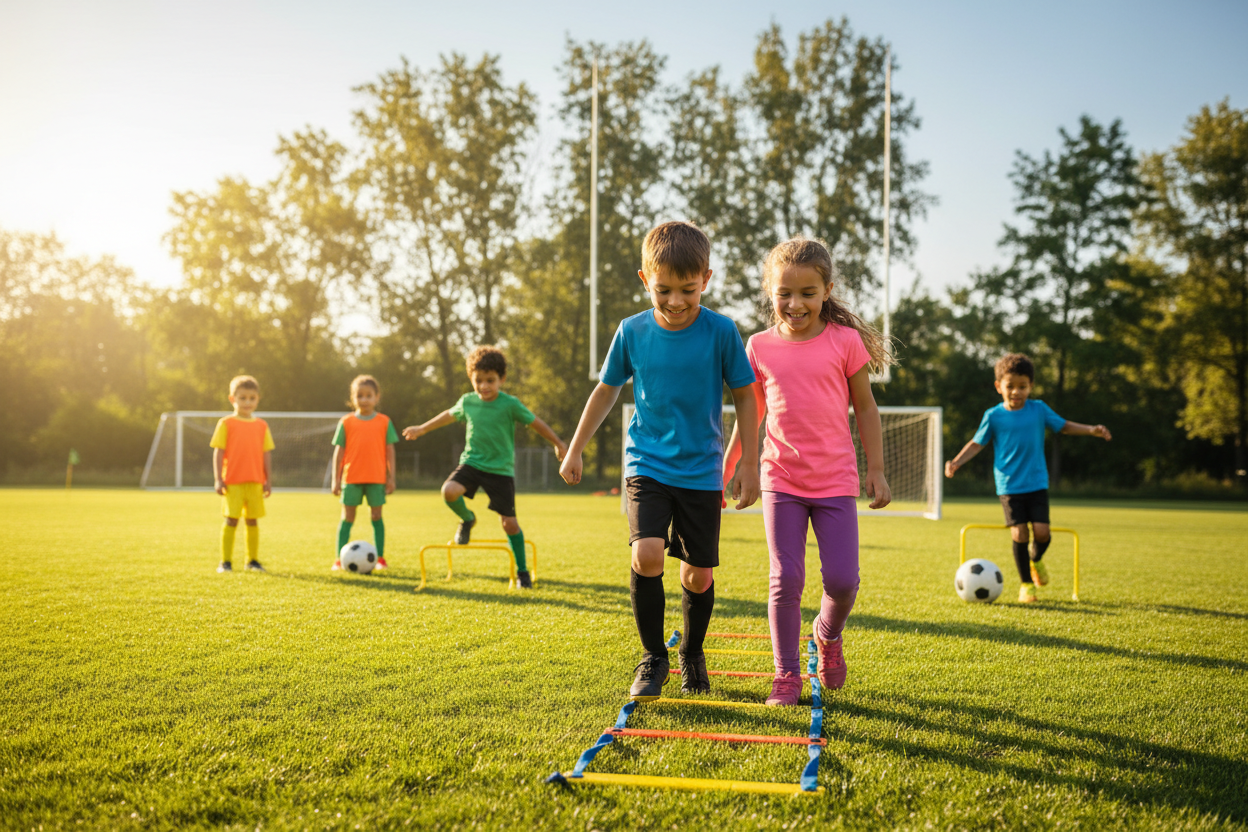
Imagine your child dancing through challenges on the field with a big smile and total confidence. You can easily help them master fun agility ladder drills for youth soccer right in your own backyard or at the local park.
Playing youth soccer requires great coordination, balance, and quick feet to truly succeed. I have seen many young players gain massive confidence by spending a few minutes on these tools each week.
These simple exercises act like an intense cardio workout while teaching essential footwork skills. You do not need expensive equipment or pro training setups to see real results with your child.
Most kids love using the agility ladder because the movements feel like an exciting game. These drills help these players become the best version of themselves during every match they play.
I want to share something exciting because consistent practice can transform a child’s game. Your child can practice at home to build real soccer skills and stay active while having a blast.
Key Takeaways
- Improve coordination and balance easily through repetitive motion.
- Build massive on-field confidence with simple, consistent practice.
- No expensive or professional equipment is required to start today.
- Exercises feel like fun games to keep young athletes fully engaged.
- Perfect for quick practice sessions in the backyard or at the park.
- Enhances natural speed and develops lightning-fast foot movements.
Why Use Agility Ladder Drills for Youth Soccer
Let me explain why I recommend ladder drills for every young soccer player looking to improve. These exercises build essential skills that help your child move faster and beat opponents during games.
Regular training with an agility ladder helps increase speed and stamina while sharpening footwork. When players master these patterns, they gain better control over their movement and the ball.
There are several reasons why these drills are a staple in my coaching sessions:
- Foot speed improves greatly, which helps your child react faster on the field.
- Coordination gets better because kids learn to move both feet in complex patterns.
- Balance improves naturally as players practice staying light on their toes during quick shifts.
- Agility training helps children change direction quickly while defending or dribbling.
- Coordination also assists with body balance, ensuring kids stay upright during physical play.
These soccer ladder drills also build strength in important areas like the quads, calves, and core. Developing these muscles is critical for performing at your best throughout the entire game.
| Skill Focus | Description of Action | Game Benefit |
|---|---|---|
| Speed | Moving at a fast pace in one direction. | Outrunning a defender to reach the goal. |
| Quickness | The ability to react and change positions. | Responding first to a sudden loose ball. |
| Agility | Changing direction while staying in control. | Dribbling through a crowd of opponents. |
I have seen these improvements show up in real games within just a week of consistent practice. It is a fantastic use of time that makes soccer even more enjoyable for young athletes!
How to Get Started with Ladder Drills
I want to show you how easy it is to begin using ladder drills with your kids today! You can buy an agility ladder online or use chalk to draw lines on the ground. This simple ladder setup allows you to practice anywhere, from your backyard to the local park.
Start with just one practice session per week so players have time to adapt. As your child builds more endurance, you can increase this training to two or three times. This schedule helps young athletes grow without feeling too much pressure or getting bored.
Each soccer ladder session should only take ten to twenty minutes. Always start every drill slowly to learn the correct footwork pattern first. It is more important to have proper form than to move through the speed ladder too fast.
Teach players to stay on the balls of their feet and pump their arms. Keep the body relaxed and make sure the head faces in a forward direction. Good posture is key when using the ladder for any exercise.
The ground should be flat to ensure the ladder stays in place while moving. Every small step helps build the coordination needed for the big game. These ladder drills make a perfect warm-up for any drill routine before a game.
Using a soccer ladder regularly will improve how your child moves their feet. This ladder tool keeps them balanced while they work on new patterns. This ladder is truly a game-changer for beginners who want to improve their skills.
| Feature | Recommendation | Why It Matters |
|---|---|---|
| Practice Frequency | 1 to 3 times per week | Prevents burnout and allows recovery |
| Session Length | 10 to 20 minutes | Keeps focus high for young players |
| Focus Area | Form before speed | Builds correct muscle memory |
| Key Movement | Stay on balls of feet | Improves overall quickness and agility |
Fun Agility Ladder Drills for Youth Soccer
Let’s explore some playful movements that help your little stars build their confidence and coordination. I love seeing the smiles on kids’ faces when they master a new movement. This type of drill turns a simple piece of equipment into a playground for growth. Keeping things light and fun is the secret to a great practice session.
Using these drills helps every child feel like a pro on the field. You do not need fancy gear to see real results. Just a bit of space and some positive energy will do the trick! Let’s look at the best ways to keep your group moving and laughing.
1. Lateral High Knees
Start by standing sideways at the beginning of the ladder. I tell my kids to pretend they are stepping over tall grass. You lift your knees high toward your chest while moving sideways through each square. This movement builds great hip strength and balance.
It also teaches kids how to stay light on their feet. Make sure they pump their arms like they are running a race. This helps with their overall rhythm. I always encourage them to keep their eyes up instead of looking down. It takes a bit of practice to get the hang of it!
2. Jumping Jacks
This exercise is a classic that most kids already know from school. It is a fantastic way to improve coordination. Your players start with their feet together inside the first square. They jump up and land with their feet wide outside the second square.

Then they jump again to land with feet together in the next square. It follows an “in and out” pattern all the way to the end. I like to call this the “starfish jump” to make it sound more exciting. It really helps them understand how to control their body weight during movement.
3. Single Leg Shuffle
Focusing on one side at a time is great for building stability. Each player hops through the squares using only their right foot. Then they switch and use only their left foot on the way back. I find this helps them identify which leg is stronger.
It is okay if they wobble a little at first! I always tell them to take it slow to stay safe and steady. As they get comfortable, they can try to increase their speed. This builds the power they need for quick bursts during a game.
4. Hopscotch
Who didn’t love hopscotch as a kid? You can bring that same joy to your soccer drills. For this one, they jump into the first square with one foot. Then they jump into the next square with two feet. It creates a steady “one-two, one-two” rhythm that is easy to follow.
This is one of the best ways to teach kids about body control. It feels like a game rather than hard work. I often see them laughing as they try to keep the beat. It’s a wonderful way to boost their mood and their agility at the same time.
5. Ickey Shuffle
This is perhaps the most famous move for any ladder routine. It might look tricky, but I promise your player can learn it quickly. The pattern is “two feet in, one foot out.” You step into a square with your right foot, then your left foot.
Then you step out to the side with your right foot. Next, you move forward to the next square. You put your left foot in, then your right foot in. Finally, you step out to the left side. It sounds complex, but it feels like a dance once you get moving!
6. Speed Scissors
This drill is all about quick feet and fast thinking. Imagine your feet are like a pair of scissors opening and closing. One foot starts inside the square and the other foot stays outside. With a small hop, you switch their positions simultaneously.
You keep switching as you move down the side of the equipment. It looks very impressive when done quickly! I remind the kids to stay on the balls of their feet. This keeps them bouncy and ready for any sudden changes. It is a real crowd-pleaser at every practice I lead.
7. Shoulder Drop and Direction Change
Soccer is all about tricking the opponent. I teach my players to drop their shoulder before they enter the squares. They lean one way and then quickly move the other way. This mimics a “fake” move they would use to get past a defender on the field.
After the shoulder drop, they sprint through the squares as fast as they can. This combines agility with explosive speed. It is very satisfying to watch them gain confidence with this move. I always tell them to imagine they are dodging a pretend defender. This makes the exercise feel very real and purposeful for them.
8. Cone Switch Drill
The ladder drill cone switch incorporates a reactive component, where players must adapt to the cones. This forces them to stay attentive and think, as a match will always require. I place bright cones at different points along the path. When they reach a cone, they have to change their movement pattern or direction instantly.
This adds a thinking element that makes it more like a real game situation! It works great for team training because I can call out different instructions as they move. I recommend varying the location of the cones to ensure they keep adapting to new patterns. This reactive soccer training improves both physical skills and mental decision-making for every child.
| Drill Name | Primary Benefit | Coach’s Tip |
|---|---|---|
| Lateral High Knees | Hip mobility and rhythm | Use arms to drive the motion |
| Jumping Jacks | Full body coordination | Keep feet light and bouncy |
| Ickey Shuffle | Fast footwork patterns | Clap a rhythm to help kids |
| Cone Switch Drill | Mental reaction speed | Move cones between rounds |
Advanced Ladder Drills for Players
After kids feel confident with simple steps, I love introducing more complex patterns to keep things exciting! Moving toward advanced movements requires patience and steady practice from every child. These patterns challenge their minds and bodies at the same time while building immense confidence.
Backwards Ickey Shuffle
Taking a classic move and reversing it is a wonderful way to boost focus. I suggest starting slow with this pattern because it feels very different from moving forward! It forces the brain to map out the space behind the body.
The rhythm remains the same “two in, one out” style, but you move backward through the agility ladder. This specific movement helps players develop spatial awareness without constantly looking down at their toes. It is a fantastic way to improve overall balance and body control.
Try to keep the knees soft and stay light on the balls of the feet. Your child will feel like a total pro once they find their natural rhythm! It takes a little time, but the results are worth the effort.
Lateral In and Out
This drill focuses on moving from side to side with lightning speed. You should stand next to the ladder and face it sideways to begin. This stance helps kids learn how to transition quickly during a match.
First, step into the square with one lead leg, then follow quickly with the other. Once both are inside, step back out of the square using that same leading foot. You repeat this pattern all the way down the line to build muscle memory.
This exercise is incredibly helpful for improving quick lateral transitions in soccer. I have included a simple table below to help you track progress during your backyard sessions. It is a great way to keep the kids motivated!
| Practice Round | Squares Completed | Training Goal |
|---|---|---|
| First Attempt | 6 Squares | Learn the Pattern |
| Second Attempt | 10 Squares | Find the Rhythm |
| Third Attempt | Full Length | Increase Speed |
Crossover Steps
I find this move very helpful because kids often cross their legs during real games. Your child starts by standing sideways next to the equipment. It looks tricky at first, but they will catch on quickly with your encouragement!
One foot steps into the first box clearly. Then, the other foot crosses over in front of the body to land in the very next box. This crossing motion requires great coordination as the legs alternate positions down the line.
Practicing these steps helps with defensive positioning and better dribbling control. Make sure to try it in both directions so both legs get equal work! It is the best way to master fun agility ladder drills for youth and keep the training fresh.
Tips to Get Better Results from Ladder Training
I have found that small changes in how players use the ladder can lead to big improvements on the field. I want to share some key tips to help your child get the best results from their training sessions. Remember that consistency is the most important part of any routine!
Always prioritize correct form over raw speed. You will see that speed develops naturally once a player masters the technique of different ladder drills. If they rush, they might trip or miss a rung, which stops their progress.
Keep your feet low to the ground instead of lifting your knees too high. It is vital to stay light on feet and push off from your toes. This way, every soccer ladder drill helps build better balance and coordination. You can also try soccer jump training to help build more explosive power. Working on agility takes time and patience.
Try to practice these soccer ladder drills two or three times each week. Keep sessions short, around ten to twenty minutes, perhaps even outside ladder time during normal team practice. Use the ladder regularly to see real growth and always finish with a smile! Doing ladder drills should be a fun part of the day.
| Tip Category | Action to Take | Best Benefit |
|---|---|---|
| Footwork | Stay light on feet | Improved drills speed |
| Schedule | Practice every week | Better training results |
| Environment | Train outside ladder area | Better focus for drills |
Conclusion
I hope you feel prepared to start this exciting journey of physical development with your child! Adding soccer ladder drills to your routine is a fantastic way to help a youth soccer athlete. These ladder drills improve agility, speed, and coordination while keeping the ladder fun for everyone.
Practicing just two or three times a week produces noticeable results for any young player. You will see your child gaining strength and better balance very quickly through this training. Consistent effort helps every player feel much more confident on the field.
Better footwork leads to improved ball control during real matches. You will see these big changes in soccer performance every single game. Remember to focus on form before you increase the speed of the drills.
I encourage you to try these agility ladder drills with your players today. Using a soccer ladder is a simple path for a team to succeed. Adding this ladder to your soccer routine helps young players master these ladder drills and enjoy the game!