
Best Warm-Up Exercises Before Kids Soccer Practice
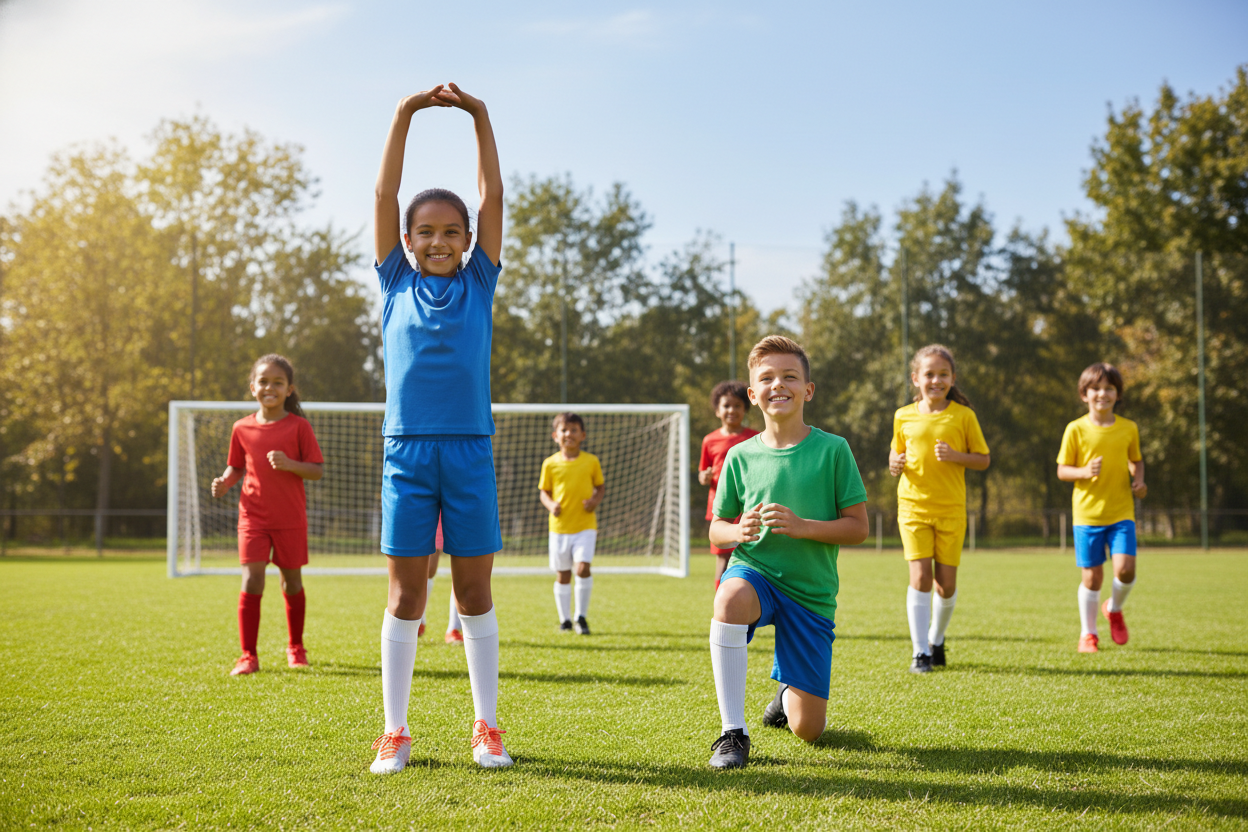
Finding the best warm-up exercises before kids soccer practice changed how I lead my team and kept my young athletes smiling on the field. It is more than just a routine; it is about making sure every child feels ready to move with confidence and joy. These simple steps help every little athlete feel like a pro from the very first whistle.
Soccer involves a lot of dynamic movement like running, jumping, and making quick turns. Preparing the body correctly helps young players avoid stiff muscles and stay safe during the game. You will notice a huge difference in their energy levels when they start with the right movements.
I remember watching my team start a practice looking tired and a bit sluggish. After using a few simple moves, those same players transformed into energetic stars ready to kick the ball. It is amazing how much a quick routine can brighten their spirits and sharpen their focus.
A good routine protects your child from injuries that often worry us as parents. It builds a strong bridge between arriving at the field and being fully focused on the fun of the match. I promise to keep these techniques simple so you can use them with your child today!
Key Takeaways
- Prepare the muscles for high-energy actions like running and jumping.
- Boost energy levels quickly to improve focus and teamwork.
- Reduce the risk of common injuries for young athletes.
- Create a positive mental transition from school to the field.
- Engage children with simple and fun movements they enjoy.
- Help kids feel confident and ready before the whistle blows.
Why Warm-Ups Matter for Kids Soccer
I always tell parents that a good warm-up is the secret to a happy and healthy soccer season. It is about more than just stretching legs before the whistle blows. It is about waking up the whole body for the fun ahead!
Spending a little time on movement helps every child feel their best. When we start slowly, we give young athletes a chance to find their rhythm. This simple routine builds a strong foundation for every practice.
Injury Prevention Benefits
Safety is always my top priority when I am coaching young players. A proper warm-up makes muscles warmer and much more flexible. This helps protect your child from a painful injury like a strain.
When the muscle is pliable, it can handle quick movements without tearing. By starting with gentle exercises, we lower the risk of ankle or knee sprains during the game. Warm muscles are safer because they move more easily!
Physical Preparation for Game Performance
A great start gets the heart pumping and sends fresh blood to the legs. This boost in energy leads to much better performance on the field. It also improves coordination, so kids can dribble and pass with ease.
I love seeing how a simple motion prepares the body for a fast-paced match! It wakes up the nervous system and gets those little feet moving quickly. Your child will feel faster and more powerful during play.
| Warm-Up Goal | What it Does | Main Benefit |
|---|---|---|
| Heat Up | Warms the muscles | Prevents injury |
| Heart Rate | Pumps blood | More energy |
| Focus | Connects mind and legs | Better skills |
Mental Focus and Engagement
Warming up helps children switch their brains into soccer mode. It gives them a moment to forget about school and focus on the ball. This mental shift improves their performance and keeps them engaged with the team.
When players feel ready, they have a lot more fun! Engaging games at the start capture their attention right away. This sets a positive tone for the rest of the practice session.
Dynamic Stretching vs Static Stretching
I need to share a quick secret with you about how we help kids get ready to play their best on the field! For years, many of us thought that “reach and hold” movements were the best way to start a session. However, science now tells us that moving while stretching is much more effective for little ones.
Why Holding Still Before Games Reduces Power
Research shows that static stretching—holding a position for several seconds—actually slows down young athletes. When kids do this before a match, it can lower their performance instead of helping them stay safe.
Using static stretching while the body is cold does not prevent injuries as many people once believed. I recommend saving static stretching for the end of practice when every muscle is warm and ready to relax.
How Active Movement Prepares Young Players
I find that dynamic stretching works best because it uses active motion to wake up the heart and lungs. These movements copy the real actions kids do while playing soccer, like sprinting and jumping.
Doing dynamic stretching helps improve flexibility while raising the core temperature at the same time. This type of stretching builds better flexibility through movement, making it the perfect start for your child’s soccer day!
| Feature | Still Positions | Moving Stretches |
|---|---|---|
| Movement Style | Hold for 20 seconds | Constant activity |
| Best Time to Use | After practice | Before the game |
| Main Goal | Recovery and relaxation | Warm-up and readiness |
Best Warm-Up Exercises Before Kids Soccer
I am excited to share the exact exercises that work best for warming up kids before soccer practice! These simple movements help young players get their bodies ready for a great day on the field. You can guide them through these steps to ensure they feel fast and loose.
Using the right drills makes a huge difference in how children play. I have found that a mix of leg swings and active walking works wonders for their training. Let’s look at the top choices for your next session.
1. High Knees Walking
Stand upright with your feet hip-width apart and your arms hanging loose. March forward for 20 yards while bringing one knee up to hip level. This exercise builds great coordination.
Make sure to pump the opposite arm upwards with every step. Keep your arm moving in a natural rhythm to stay balanced. This specific movement helps strengthen the core and hip muscles.
2. Butt Kicks
Start from a standing position and begin to jog forward slowly. As you move, kick your heel back toward your glutes. Try to keep your hips level and stay light on your feet.
Cover 20 yards before turning around to jog back. This helps warm up the hamstrings and the large muscles in the back of the leg. It is a classic way to get the blood flowing quickly.
3. Leg Swings Forward and Backward
Stand beside a wall or hold onto a partner for support. Balance on one leg and swing the other leg forward and backward in a smooth motion. Keep your toes pointed and your body straight.
Perform these swings 12 to 15 times in each direction. This is one of the best leg swings to open up the hips. It prepares the body for the kicking motions used during the game.
4. Leg Swings Side to Side
Stay in your supported one leg stance to try the side version. Swing your leg across your body and then out to the outer side. This helps rotate the hips and stretch the inner thighs.
Keep your toes relaxed as you complete 15 reps. These swings are essential movements for lateral agility on the pitch. They target the most common muscle groups used in soccer.
5. Walking Lunges with Torso Twist
Step forward into a lunge position with your front knee directly over your ankle. Twist your core toward your front leg while keeping your arms stretched out. This full-body exercise builds stability.
Push off your front foot to stand up and step into the next lunge. Repeat this for 10 lunges on each side of the body. It combines lower-body power with healthy spinal rotation.
6. Lateral Side Shuffles
Start with your feet wide and your knees slightly bent. Push off one foot and shuffle sideways for 10 yards without crossing your feet. This exercise is great for quickness.
Switch direction and shuffle back to your starting point. These drills engage the calves and hip muscles perfectly. Perform 3 or 4 sets of this exercise to finish the routine.
| Activity | Main Focus | Distance/Reps |
|---|---|---|
| High Knees | Hip Flexors | 20 Yards |
| Butt Kicks | Hamstrings | 20 Yards |
| Leg Swings | Hip Mobility | 15 Reps |
| Side Shuffles | Lateral Speed | 10 Yards |
Fun Warm-Up Games for Young Players
I love sharing fun warm-up games that make kids forget they are even exercising! Using a creative game at the start of practice is a brilliant way to boost energy. It turns the whole session into a positive experience for everyone involved.
These activities teach real skills while kids have the best time. I have found that specific games work wonders for building confidence and movement on the field. You can use these four proven activities right away to make warm-ups the favorite part of your practice!
Red Light Green Light with Soccer Ball
In this schoolyard favorite, players build muscle memory by pairing quick stops and explosive speed. Kids line up with a ball at their feet on one side of a 20-meter area. I stand at the opposite end to lead the group.
I call “Green Light!” and kids dribble forward as fast as they can. When I yell “Red Light!”, everyone must immediately freeze with their foot on the ball. If I catch anyone moving, they must return to the start line.
Sharks and Minnows Dribbling Game
This soccer classic has players pretend to be minnows crossing a hungry ocean. Most kids start on one side of a square with their ball. A few kids start in the middle as “sharks” without any equipment.
On my signal, minnows attempt to dribble to the opposite side. Sharks try to kick the ball out of bounds to turn minnows into new sharks. This helps kids learn how to protect the ball under pressure.
Hospital Tag for Movement and Awareness
This fun variation of tag helps players develop balance and coordination. Everyone starts running inside a small field without their ball. If someone tags you, you must hold that body part and yell “ouch.”
A second tag means you hold two body parts while moving. After a third tag, you are “injured” and must run to your ball. You return to the game “healthy” after doing four controlled touches.
Team Ball Tag
I divide the group into two teams for this high-energy game. One team starts with a ball each, while the other team tries to run away. The players with the ball try to tag opponents to score points for their team.
| Activity Name | Main Soccer Skill | Equipment Needed |
|---|---|---|
| Red Light Green Light | Stop and Go Control | One ball per kid |
| Sharks and Minnows | Dribbling in Space | Cones and balls |
| Team Ball Tag | Accuracy and Vision | One ball per team |
I recommend mixing these games throughout the season to keep things fresh. Every game listed here builds ball control and quick reactions. You will see your team’s skills grow while they enjoy a playful soccer environment!
Warm-Up Activities by Age Group
I want to show you how to match warm-up activities to your child’s exact age and skill level! Children under ten are naturally flexible and stay active in their daily lives. During this time, young players need a start that keeps them moving and smiling.
The years between five and twelve are often called the golden age of learning. This is a sensitive period where youth athletes learn new movements very quickly. You can help them grow by choosing the right soccer activities for their specific stage.
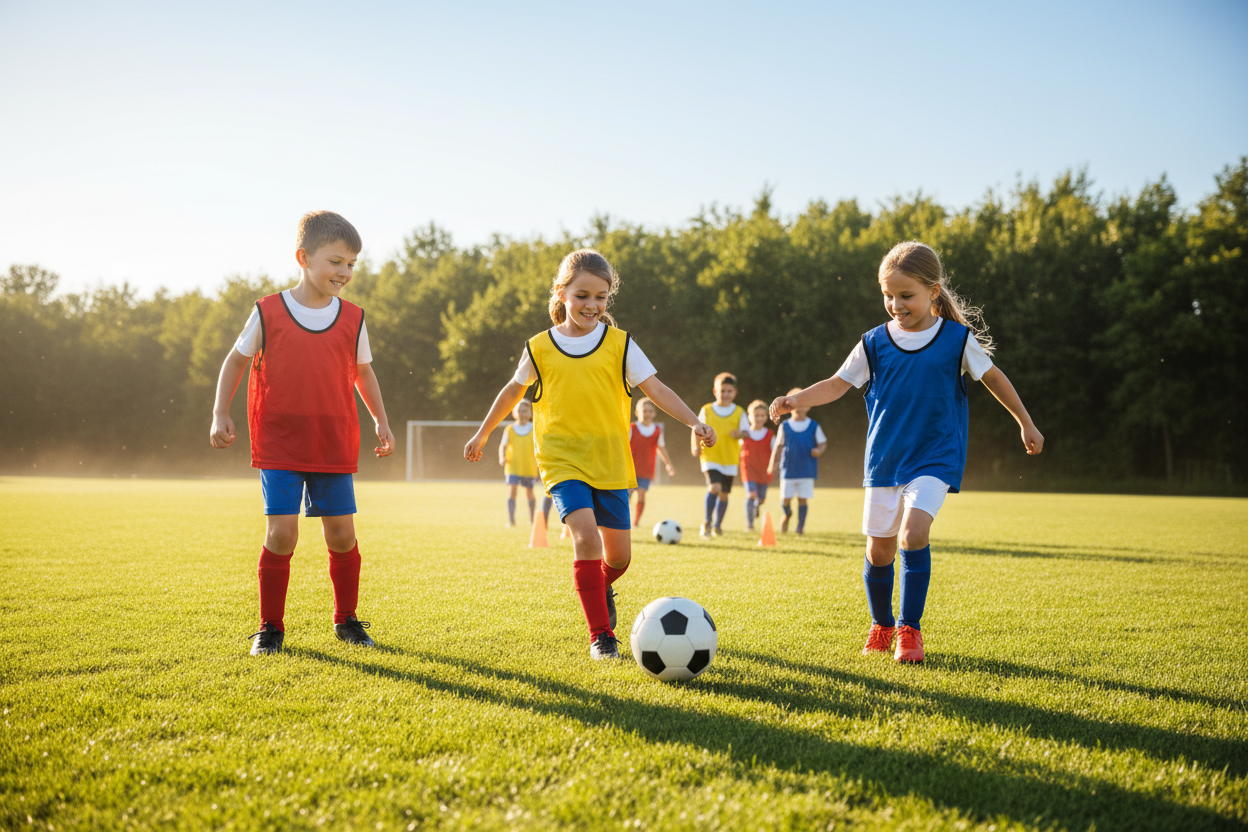
Ages 5-6: Movement and Ball Familiarity
For the youngest players, you should keep the rules very simple. These children do not need complex training or structured dynamic stretches. They learn best through play and using their big imaginations to move around the field.
Focus on building basic motor skills and helping them feel comfortable with the ball. Use fun drills that encourage them to explore the space around them. At this age, the goal is to make sure every child stays involved and happy.
Ages 7-8: Dribbling and Coordination
At this stage, youth athletes can handle slightly more complex rules. You can introduce activities that improve coordination and balance while they move. Encourage them to keep their heads up while they are dribbling the ball to see their teammates.
These soccer activities should still feel like a game rather than a chore. You will notice they start interacting more with others on the team. This interaction helps them learn how to move together while staying in control of their own bodies.
Ages 9-10 and Older: Technical Skills and Speed
Older youth athletes are ready for more structured drills that challenge their minds. You can now introduce basic tactical concepts and decision-making during the warm-up. This prepares them for the faster pace of a real game.
Focus on increasing their speed and sharpening their individual technical skills. These players can handle more complex movements and faster transitions. Your training should encourage them to think quickly while they perform their physical movements.
| Age Group | Main Focus | Key Benefit | Recommended Activity |
|---|---|---|---|
| Ages 5-6 | Fun and Movement | Body Awareness | Simple ball games |
| Ages 7-8 | Control and Vision | Improved soccer skills | Dribbling through cones |
| Ages 9-10+ | Speed and Tactics | Game Readiness | Fast-paced team players drills |
Building a Complete 10-Minute Warm-Up
I have designed a simple 10-minute plan that makes getting ready for the game easy and fun. This routine ensures your players are ready to play without feeling tired before the soccer game even starts. You can use this time to focus on movement and build confidence.
A good routine moves from low intensity to high intensity in a fluid way. This approach keeps the kids moving and helps them stay focused on your instructions. I love seeing how a structured start sets a positive tone for the rest of the day.
Minutes 1-2: Light Jogging and Skipping
I always recommend starting with a light jog or easy skipping across the field. This gentle start wakes up the heart and gets the blood flowing to the legs. It prepares the body for more intense movements later in the practice session.
You should encourage the kids to keep their heads up while they move. This helps them stay aware of their teammates on the field. Keep the pace slow and steady during these first two minutes to avoid early fatigue.
Minutes 3-7: Dynamic Stretching Sequence
Next, I want you to focus on a dynamic stretching sequence to keep the players moving. This part of the training includes high knees, butt kicks, and walking lunges with a twist. I find that moving while stretching keeps the energy high and the kids excited.
These exercises help wake up the muscles while keeping the heart rate steady. Using dynamic stretching instead of standing still helps kids stay engaged and warm. Proper stretching prevents injuries and prepares young muscles for fast turns on the field.
Minutes 8-10: Soccer-Specific Movements
Finally, I like to finish with short drills that involve the ball. You can set up quick passing or dribbling exercises to get them comfortable with the soccer ball. This final step transitions them perfectly into the rest of your session.
By the end of these ten minutes, the players will feel ready and energized. They have moved their bodies and touched the ball, which builds their skills. This simple flow makes every soccer practice run much more smoothly.
| Time Frame | Activity Type | Specific Exercises |
|---|---|---|
| Minutes 1-2 | Low Intensity | Light Jogging and Skipping |
| Minutes 3-7 | Dynamic Mobility | High Knees, Lunges, Leg Swings |
| Minutes 8-10 | Sport Specific | Dribbling and Passing Drills |
The Play-Practice-Play Warm-Up Model
I want to share an exciting way to warm up called the Play-Practice-Play model that kids absolutely love! This approach comes from US Youth Soccer and changes how we look at a practice session. Instead of standing in long lines, your players start having fun the moment they step on the field.
This method focuses on movement and joy from the very first minute. It keeps children active and prevents them from getting bored while waiting for others to arrive. I have found that this style builds a much more positive environment for the team.
How Small-Sided Games Work as Warm-Ups
When young players show up, they jump right into a small game. You can start with 2 v 1 and then grow to 2 v 2 as more kids arrive. Soon, you have 3 v 3 matches happening all over the grass.
This keeps everyone moving and involved without any standing around. It allows the coach to watch how the kids move and interact. You will see them naturally using their skills in a realistic setting.
Benefits of Starting with Play
This method prepares the body for soccer by doing actual movements they will use later. It focuses their attention immediately through active play. There was a time when games were only for the end of practice.
Now, many youth sports programs realize that players learn best while having fun. Playing soccer is truly the best warm-up for a game! Modern sports training focuses on keeping kids engaged from the very first whistle.
| Feature | Traditional Drill | Play-Practice-Play |
|---|---|---|
| Arrival Style | Waiting in lines | Instant small games |
| Activity Level | Low (standing still) | High (constant movement) |
| Kid Engagement | Often bored | Excited and focused |
| Coaching Goal | Directing drills | Observing natural play |
Common Warm-Up Mistakes to Avoid
I need to warn you about common mistakes coaches and parents make during warm-ups! While we all want our kids to succeed, some old-school methods can actually do more harm than good. The biggest risk is losing your child’s interest before the game even starts.
It is easy to follow old routines, but knowing what to avoid will help your team thrive. I promise to help you skip these errors and keep your practice fun for every player!
Using Only Static Stretches
There is really no need to do “static” stretching before a game. Sports science research shows that holding still stretches before movement decreases athletic performance. It does not help a young body avoid injury and can make muscles less ready to run.
Making Warm-Ups Too Complicated
If a game requires too much setup or too many instructions, enthusiasm can wane quickly. I explain that making warm-ups too complicated with lots of rules kills the fun for young players. Keep instructions short so the children can start moving and playing immediately!
Not Adjusting for Different Age Groups
Understanding the developmental stage of your team is key for coaches. What excites a 5-year-old might bore a 10-year-old who wants more challenge. When coaches don’t adjust for age, it creates boredom or frustration for the players.
Save the long holds for simple soccer practice cool down routines to build long-term flexibility instead. This keeps the start of your session fast-paced and exciting for everyone involved.
| Common Mistake | Negative Impact | Better Approach |
|---|---|---|
| Static Stretching | Lower athletic performance | Use dynamic movements |
| Complex Rules | Loss of child enthusiasm | Keep instructions simple |
| Age Mismatch | Boredom or frustration | Match drills to age level |
Tips for Making Warm-Ups Effective
I have found that small changes in how you coach can lead to big wins on the field. I want to help you make every session work better for your team. These simple tips will transform your routine from boring to the best part of practice!
Simple and Clear Rules
You should keep rules easy so players understand in seconds instead of wasting training time. A quick demonstration usually works better than a long verbal explanation. Kids start moving within seconds when they see what to do.
High Fun and Engagement
Focus on fun to keep kids excited even during boring flexibility drills. When games are genuinely enjoyable, children embrace repetition and stay motivated. This creates a positive experience for everyone involved.
Monitoring for Fatigue
I always watch for signs of exhaustion like heavy feet or stopping with a hand on the knee. Coaches must adjust the intensity if they see these signs to keep kids safe. You want to keep the players on their feet and smiling throughout the session.
| Tip Category | Action to Take | Expected Outcome |
|---|---|---|
| Communication | Use quick demos | Higher clarity |
| Engagement | Add game elements | Better focus |
| Safety | Watch body language | Less fatigue |
Conclusion
I hope you feel confident to lead your team through a valuable warm-up! You now know swings, high knees, and side shuffles to protect every knee and ankle. These movements help young athletes prepare from side to side with effective focus.
Dynamic stretch routines work better than holding one leg still. Fun games with the ball keep feet moving and get the heart pumping. You can adjust this exercise for any youth group to build speed on the field.
Avoid mistakes by moving in a new direction often. Moving one leg and then the other prepares the knee for sports. Use your hand to signal a change in direction or to move to the side.
Help each leg find its feet with a leg drill. Moving one leg at a side angle helps the knee stay strong. Using the ball helps your soccer team perform better.
Give athletes the leg power they need for youth soccer. Move your leg in a different direction to gain feet control. Use a final stretch in another direction for youth soccer.
Use a strong, active leg to kick and keep each leg active. Strong leg muscles and a healthy leg bone make a great player. This exercise makes every leg and knee ready for practice!