
How Soccer Boosts Kids’ Coordination & Fitness
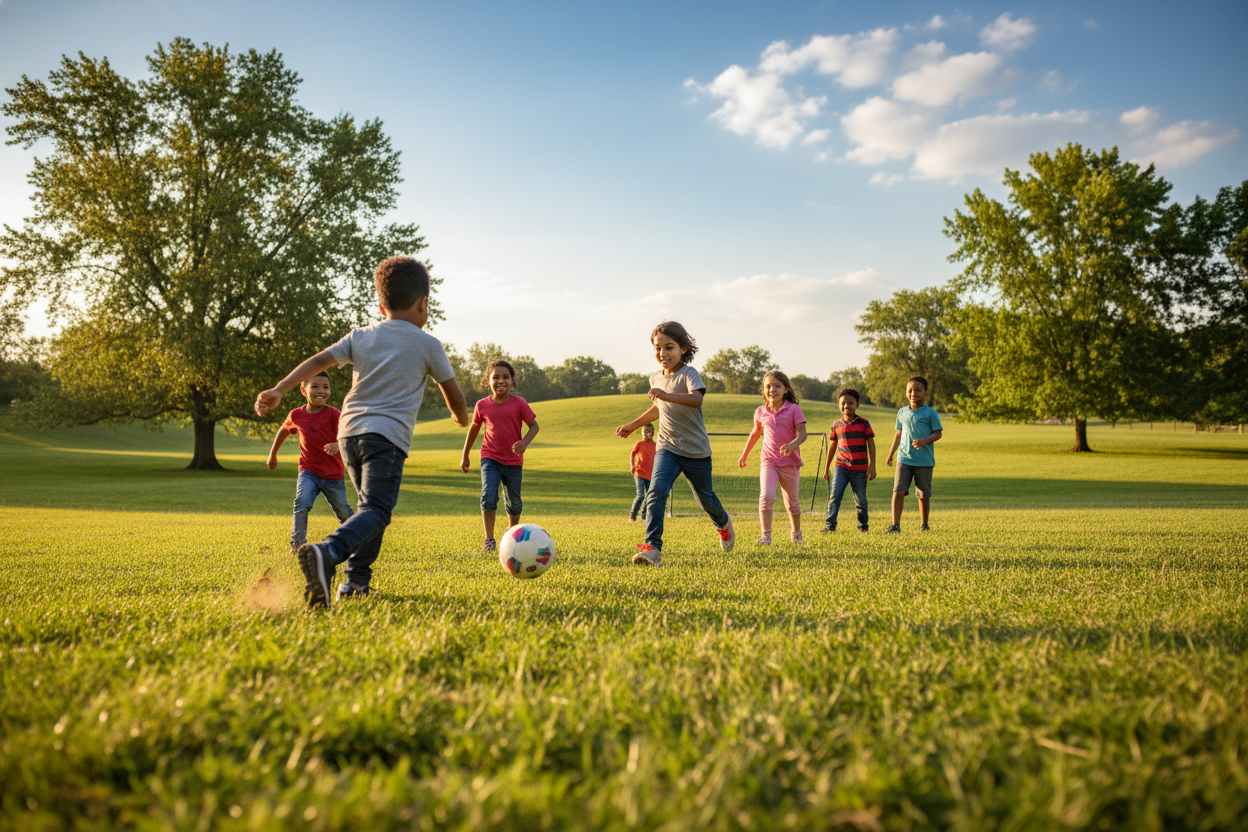
Seeing your little ones run across a green field with big smiles is one of the best feelings for any parent! Playing soccer is a fantastic way for kids to burn off energy while learning to move their bodies with confidence.
I love that this game naturally builds coordination through simple play. Whether they are chasing the ball or dodging a friend, children develop balance and timing without even realizing they are working hard.
It is a wonderful choice to introduce physical activities that feel like a game rather than a chore. This sport is truly fun and accessible for all ages, from toddlers taking their first kicks to older students mastering the game.
I want to share the specific growth gains your child will enjoy once they step onto the pitch. You will feel proud seeing them grow stronger and more agile while they make new friends and gain important movement skills!
Key Takeaways
- Soccer builds natural balance and body control through active play.
- Children improve their heart health and stamina while having fun.
- The game teaches young players to react quickly to moving objects.
- Physical fitness becomes an enjoyable daily habit instead of work.
- Group play develops essential social and motor skills simultaneously.
- It provides a strong foundation for lifelong wellness and health.
Why Soccer Works for Kids of All Ages
I love how soccer meets children exactly where they are, making it one of the most accessible sports available. You can start your child at any age without them feeling overwhelmed or left behind. The game grows with them over time, offering new challenges as their abilities develop.
- Kids from three to thirteen thrive because the game naturally adapts to every developmental stage.
- It is a wonderful way for siblings with different skill levels to play soccer together on the same field.
- You do not need expensive equipment or special facilities to help your family get started today.
| Age Group | Primary Focus | Activity Type |
|---|---|---|
| 3-5 years | Basic movement | Play-based games |
| 6-9 years | Ball control | Skill building |
| 10-13 years | Team tactics | Match strategies |
Playing soccer remains rewarding through all the childhood and teen years. You will notice that soccer teaches fundamental movement patterns that benefit kids for a lifetime. This sport keeps your family engaged because it stays fun regardless of their ages!
How Soccer Helps Kids Coordination
I am excited to explain how soccer helps kids coordination in specific ways that match their age and development stage! You will see that physical growth happens in waves as they spend time on the field. Each new drill helps your child gain better control over their body.
You can feel confident that each stage builds on the previous one. This creates a solid foundation that helps kids in all areas of life. Soccer helps by making physical activity feel like a fun game rather than a chore.
Early Motor Skills Development for Ages 3-5
For these early years, soccer introduces basic movements like running, kicking, and balancing. These actions build the foundation for all coordination. Your little ones develop gross motor skills as they learn to control and kick the ball.
I recommend fun practice activities like dribbling around cones to help them stay balanced. This natural development improves their foot-eye connection while they move toward a goal. It is a great way to start their athletic journey!
Building Body Control for Ages 6-9
During these years, your kid will show much better control over their body and the ball. Regular practice helps them blend fine and gross motor skills together. You will notice they pass and shoot more accurately as they grow stronger.
I suggest agility movements like side-stepping through cones to improve their quick reflexes. These drills teach kids to stay balanced even when they are under pressure. This stage is all about refining the basics into smooth actions.
Advanced Coordination Skills for Ages 10-13
At this age, coordination becomes more sophisticated as soccer skills grow more complex. Your child now focuses on game strategy while handling the ball at high speeds. This multi-tasking fine-tunes their overall coordination and mental focus.
I have found that drills involving quick decisions, like passing in tight spaces, help tremendously. It enhances their ability to move their body rapidly in a fast-paced setting. Soccer helps them prepare for competitive play and active lifestyles.
| Age Group | Key Focus Area | Main Coordination Benefit |
|---|---|---|
| 3-5 Years | Gross Motor Skills | Basic Balance and Kicking |
| 6-9 Years | Agility and Reflexes | Accurate Passing and Dribbling |
| 10-13 Years | Tactical Multi-tasking | Complex Movement Control |
Building Fitness Through Soccer
I love explaining how playing soccer builds complete fitness because it engages your child’s entire body during every session! You will see that it is much more than just a game.
This sport provides a wonderful experience where kids learn to value daily movement. It is a great way to see how soccer boosts kids’ coordination and overall health.
Cardiovascular Endurance and Stamina
Your child’s heart rate stays elevated as they run across the field during soccer activities. This constant movement strengthens their heart and lungs over time.
Building this stamina helps young athletes stay energetic in their daily lives. It ensures they have the strength to play soccer and enjoy other sports without getting tired quickly.
Muscular Strength and Flexibility
Your child develops skill and strength in their legs and core through kicking and sprinting. This physical work happens naturally as they move through the game.
You will also notice they gain flexibility as they reach and twist to move the ball. This helps reduce injury risk as they grow over the years.
Full Body Exercise Benefits
Every part of the body stays busy when a child is on the field. Coaches often see that soccer creates a well-rounded athlete from a very young age.
When kids stay active for several years, they build healthy habits for life. They get a full workout while simply having fun with their friends!
| Fitness Area | Soccer Benefit | Long-term Impact |
|---|---|---|
| Endurance | Continuous running | Stronger heart and lungs |
| Strength | Kicking and sprinting | Powerful legs and core |
| Flexibility | Dynamic movements | Lower risk of injury |
Mental and Social Skills Kids Gain from Soccer
I am thrilled to share how soccer helps children develop mental and social skills that extend far beyond the field into everyday life! When you play soccer, you gain a sense of belonging that stays with you. This development carries through many years of a young person’s life.
Teamwork and Responsibility on the Field
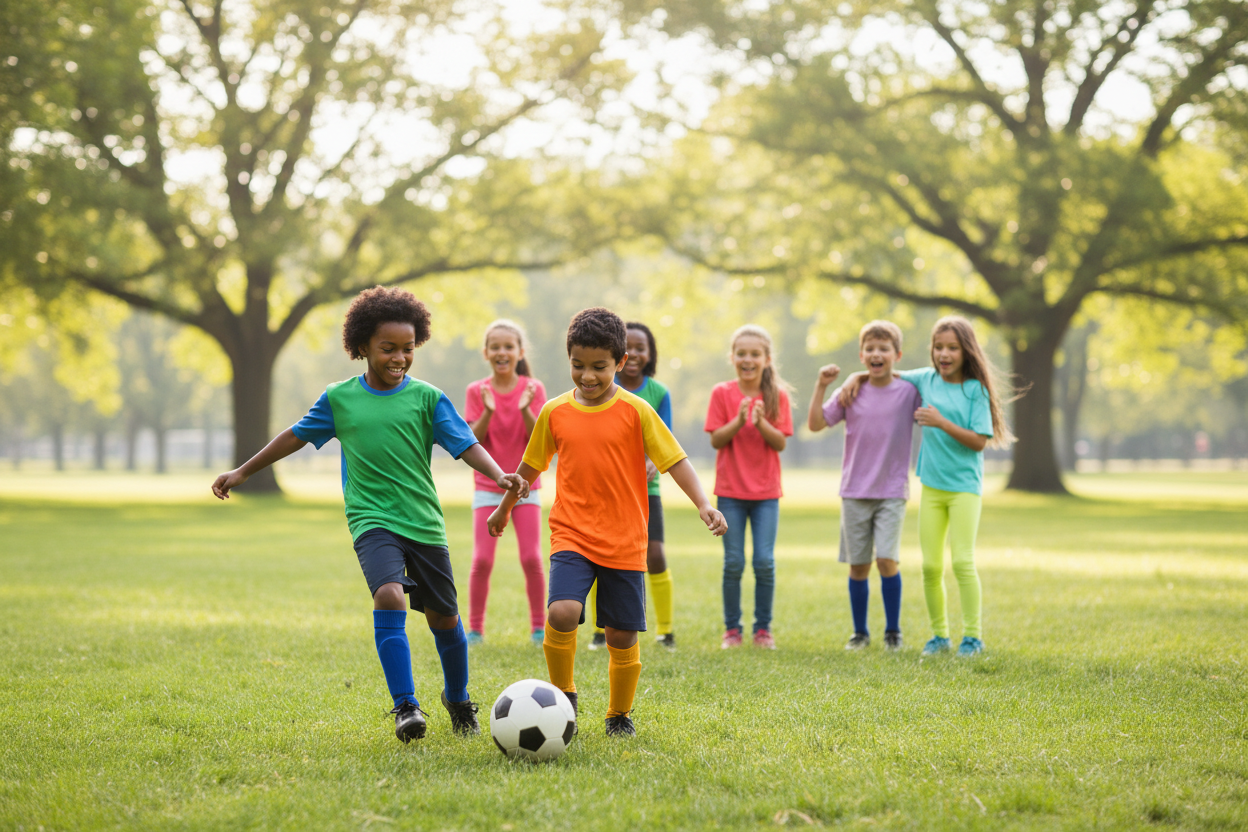
Kids learn quickly that success requires depending on teammates rather than individual ball domination. Your child understands that each team member brings different skills to the game. One kid might be fast while another excels at passing.
Players learn to rely on each other to reach the goal. Each person takes on a specific role on the field. This builds a strong sense of teamwork and responsibility.
When you gain experience, you realize your individual responsibility supports the whole team. You take responsibility for your area to keep the other side away. This shared focus is the heart of working together.
Quick Decision Making Skills
I want you to know that soccer teaches people to make quick decisions on the fly. You develop these talents by thinking on your feet during the game. Coaches work with players during practice to prepare them for different scenarios.
These young athletes learn to assess problems and react by instinct. Learning to be proactive about solving problems is a huge skill in life. You must make decisions without a huddle after every play.
This ability to handle challenges helps in every part of life. Using this ability leads to better success outside of sports too. The ability to adapt is vital for any young person.
Building Perseverance and Confidence
I love that soccer teaches perseverance because the work requires effort. Soccer teaches that success does not come easily. You will learn that it is okay to trip or stumble. It helps kids learn to pop back up and keep going!
Overcoming these challenges builds immense confidence. Kids feel confidence when they see their growth. Working with teammates creates a feeling of being a vital team member. This perseverance is a lesson you will use for your whole life.
| Skill Type | Main Benefit | Practical Result |
|---|---|---|
| Social | Better teamwork | Shared success |
| Mental | Fast decisions | Thinking with the ball |
| Growth | Specific role | Group value |
- Kids learn to value others.
- Soccer builds great friendships.
- Players find their place.
Conclusion
You now have a clear picture of how this game shapes your child’s future. Soccer helps children develop physically through better coordination and stronger muscles. I want you to feel confident that they gain mental skill sets that apply to all areas of life.
Your little ones will also learn teamwork while having fun on the field. This sport is much more than just kicking a ball around. It provides a complete developmental experience filled with healthy activities.
The primary goal is to give kids a strong foundation in fitness and health. I encourage you to choose this as one of the best sports for your kids. Starting this soccer journey is a wonderful part of their growth they will always cherish!