
Easy Soccer Stretching Routines for Kids
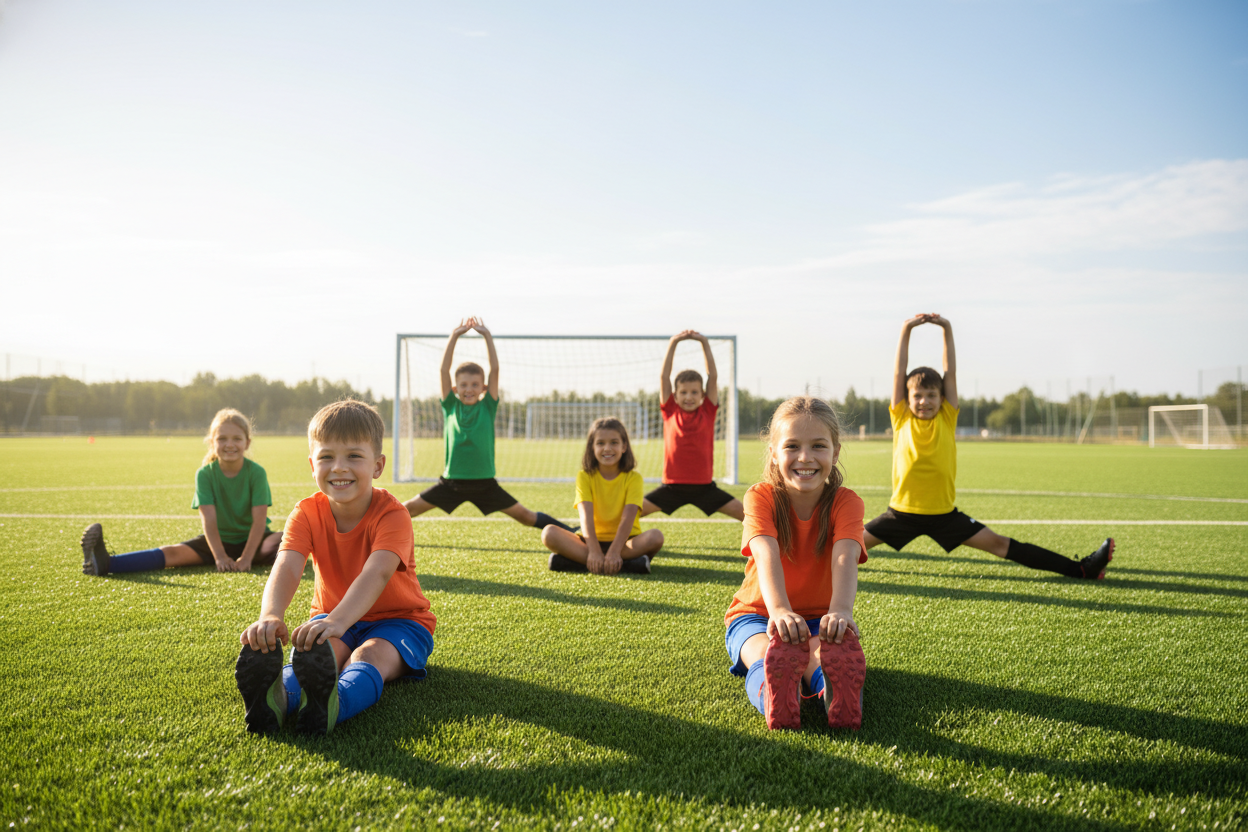
Watching your little athlete sprint across the grass with a big smile is pure joy for any parent. I know you want to keep that energy high and those small legs moving safely. I will share why soccer stretching routines for kids matter so much for young players who want to stay safe!
You’ll discover how simple movement helps a child’s body get ready for all the running and kicking. It only takes a few minutes to make a big difference in how they feel during the game. These easy steps focus on flexibility while keeping the mood light and fun.
I will guide you through simple steps that even beginner coaches can follow without any special equipment. You can feel confident helping your child prepare their muscles properly before they hit the field. Let’s make sure your athlete stays flexible and energized for their next soccer session!
Key Takeaways
- Learn why warm-ups protect young players from discomfort.
- Discover simple moves that improve overall flexibility.
- Prepare your child for every practice and match.
- Understand the best timing for different types of movement.
- Build confidence in your coaching skills today.
- Keep little athletes energized and happy on the field.
Why Your Child Needs to Stretch Before Soccer
I love seeing kids get excited for their games, but they always need to get their muscles ready first! Proper stretching before soccer helps your child’s body prepare for every fast kick and sprint.
A good warm-up slowly raises the heart rate and gets blood flowing. This naturally lubricates the joints, which helps kids move better and reduces any morning stiffness.
| Warm-Up Benefit | What It Does | The Result |
|---|---|---|
| Better Blood Flow | Wakes up the heart | More energy for play |
| Joint Lubrication | Reduces friction | Smoother running |
| Muscle Prep | Adds elasticity | Effective kicking |
This routine gives young players a better range of motion in their joints and tendons. I have seen how a solid start boosts performance by waking up muscles for the soccer match.
Warmed-up players have more fun and feel less sore after sports activities. Just a few minutes of stretching before the whistle blows makes a big difference for every happy player!
- Increased flexibility for better jumping and turning.
- Better focus as the body and mind wake up together.
- Smoother movements that make the game feel easier.
Static Stretching vs Dynamic Stretching for Kids
I want to explain the important difference between static stretching and dynamic stretching so you can choose the right approach for your child! Choosing the best movement routine helps young players stay happy and active on the field. It is my goal to make sure your little one feels ready to play with plenty of energy!
What Static Stretching Does to Young Muscles
Static stretching means holding a position for 30 seconds or more to elongate muscles. It is like the old “grab and hold” style we all did in gym class years ago!
While this feels good, doing static stretching before a game can actually make legs feel sleepy. I recommend saving these long holds for your simple soccer practice cool down routines for when the game is over and the body is ready to rest.
How Dynamic Stretching Prepares the Body for Soccer
Dynamic stretching involves moving through a range motion rather than holding still. This method uses the child’s full motion to wake up every part of a young player.
I love this approach because it mimics the actual movements your child will do during practice. It gets them ready for running and kicking by using a natural range motion.
Why Kids Should Skip Static Stretches Before Games
Research from the last 20 years shows that static stretching before games actually decreases athletic performance. Simply performing static stretching doesn’t help young muscles prepare for fast action.
Instead, focus on moving through a range of movements to keep the energy high and the game fun! This helps your child perform their best without a performance drop during the match.
| Feature | Static Stretching | Dynamic Stretching |
|---|---|---|
| Movement Style | Holding a still pose | Constant active movement |
| Best Timing | After the soccer game | Before the soccer game |
| Main Goal | Muscle relaxation | Muscle activation |
| Impact | May slow down speed | Increases game readiness |
Best Soccer Stretching Routines for Kids
Starting a soccer session with the right movements sets a positive tone for the entire day. I want to share my favorite ways to get kids moving before they hit the pitch! A quick and fun stretching routine makes a huge difference for your child.
How Much Time Kids Need for Stretching
I’ve found that kids don’t need long sessions to be ready. Each exercise should last about 20 to 30 seconds. This short time keeps young players engaged without getting bored.
Keeping things quick is the secret to success for active youth. You want to spend more moments playing and fewer moments waiting. Just a few minutes of total movement will prepare them for the field.
When to Do Stretches During Practice
The best moment to start is right at the beginning of practice. I recommend starting easy soccer stretching routines for kids immediately when they arrive. This gets their hearts pumping before they move into drills.
A proper start ensures their bodies are warm for the game activities. It also helps them focus their energy on the coach. You should always prioritize movement before any high-speed running begins.
Age-Appropriate Stretching Guidelines
Children age 10 and under are already naturally very elastic. They live their lives in a wide range of motion every day. Because of this, they need less stretching time than older players or adults.
I suggest using dynamic stretching to keep the warm-up active. This involves soccer movements that keep everyone involved rather than standing around. The goal is to make the routine effective and very enjoyable for everyone!
| Age Group | Routine Type | Focus Area |
|---|---|---|
| Under 10 | Active Play | Fun and Mobility |
| 10 to 14 | Dynamic Movement | Range of Motion |
| 15 and Up | Structured Routine | Muscle Activation |
10 Easy Dynamic Stretches for Young Soccer Players
I am excited to share 10 easy dynamic stretching exercises that work perfectly for young soccer players of any age! These simple movements help kids get their hearts pumping and their muscle groups ready for action. You should have the team spend about 20 to 30 seconds on each activity to get the best results.
Performing these exercises ensures that the knee joints and ankles are loose before the whistle blows. It is a great way to build team energy while preventing injuries on the field. Let’s look at the best ways to get your little athletes moving!
1. Jumping Jacks for Full Body Warm-Up
These classic exercises warm up the full body and get everyone moving right away. Kids already know this classic move, and it wakes up every major muscle with high energy! It is a great way to start the routine with a smile.
2. Walking Knee Hugs to Loosen Hips
Walking knee hugs loosen the hips and improve flexibility. Have your child take a step forward and raise their knee to hip height. They should then hug it toward their chest with both arms.
3. Arm Circles to Warm Up Shoulders
These stretches prepare the shoulder joints for throwing and maintaining balance. Rotate the arms in big circles in both directions. This ensures the upper body is loose and ready for physical play.
4. Lunges for Leg Strength and Balance
Lunges hit all the major leg muscles by stepping forward and lowering the body. This move builds strength while teaching kids how to stay steady on their feet. It is one of the most effective exercises for young athletes.
5. Squats to Activate Lower Body Muscles
Squats activate the lower body and prepare the legs for soccer movements. Have the kids lower down as if sitting in a chair and then stand back up. This exercise builds the power needed for running and kicking.
6. Leg Swings to Prepare Hips and Glutes
Leg swings prepare the hips and glutes for powerful kicking. Swing one leg forward and back, then side to side, to open up the hip joint. Keep the shoulder area relaxed while performing this move.
7. Butt Kicks to Wake Up Hamstrings
These fun exercises wake up the hamstrings and increase speed. Have your child jog in place while bringing their feet up to kick their own rear end! It is a simple way to get the blood flowing quickly.
8. High Knees to Build Speed and Motion
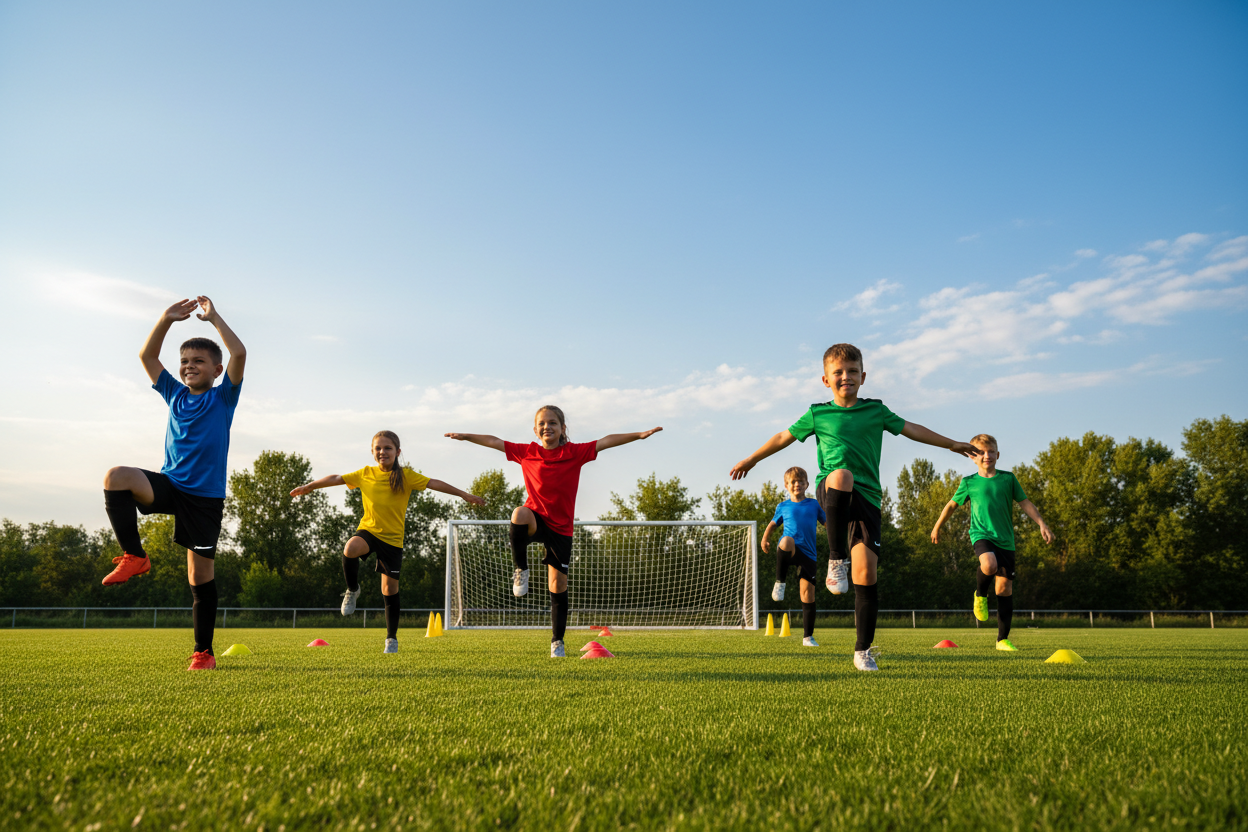
These stretches build speed and fluid motion. Encourage the kids to jog while lifting each knee as high as possible toward the belly. This mimics the sprinting motion they will use during the game.
9. Side Shuffles to Improve Lateral Movement
Side shuffles improve lateral movement for quick direction changes. Stay low and shuffle sideways for 30 seconds to warm up the leg muscles. This helps players stay agile when defending or dribbling.
10. Frankenstein Kicks for Leg Flexibility
This dynamic stretching move develops flexibility in the back of the legs. Hold both arms straight out and kick one leg up to touch the opposite palm. Keep the knee stiff to get a deep stretch through the hamstring.
To help you organize your practice, here is a quick summary of the key benefits:
| Exercise | Primary Target | Main Benefit |
|---|---|---|
| Jumping Jacks | Full Body | Wakes up all muscles |
| Lunges | Leg Muscles | Improves balance |
| Side Shuffles | Lower Body | Better lateral speed |
| Knee Hugs | Hip Joints | Increases flexibility |
Strong warm-ups lead to better games and fewer sore muscles. Always encourage your players to stay focused and have fun with these movements!
Three Fun Warm-Up Games Kids Love
The youngest soccer stars don’t need formal routines when they can just play a fun game instead. In fact, I believe play is the ultimate warmup for children. When young players show up, they should jump straight into the action.
Using fun games helps kids move naturally without feeling like they are doing boring drills. It allows them to use their energy right away. I can then observe how they move before we start teaching new skills.
Red Light Green Light for Speed Control
In this schoolyard favorite, players build muscle memory by pairing quick stops with explosive speed. They sprint forward on the “green light” and must freeze on the “red light.”
This classic game teaches them to control their bodies while running at different paces. These quick starts and stops are exactly what they will use during a real soccer match.
Sharks and Minnows for Dribbling Skills
This is one of the best soccer activities for teaching ball control. Players pretend to be minnows who must cross an ocean full of hungry sharks.
It warms up the whole body while kids practice keeping the ball close. It is much more effective than traditional drills because the kids are focused on the “sharks” instead of the clock.
Hospital Tag for Balance and Coordination
Hospital Tag is a fun variation of tag that helps kids develop balance and coordination. When a player gets tagged, they must hold one hand on the “sore” spot where they were touched.
This forces them to move in creative ways while staying upright. These types of games work better for young children because they prioritize fun over rigid instructions.
Simple Cool-Down Stretches After the Game
Finishing a soccer match with a smile is easier when you include a quick cool-down routine. I love using the end of a match to teach kids how to relax their tired muscles.
This simple habit helps your child feel great the next day without any unnecessary tightness or physical discomfort. It is a wonderful way to transition from high energy to a calm state of mind.
When Static Stretching Helps Your Child
Static stretching works best after the sport is finally over. At this time, your child’s body is sufficiently warm from constant running and movement on the field.
Warm muscles are naturally flexible and ready for gentle lengthening. This makes held positions safe and highly effective for young athletes once they finish a long soccer game.
Gentle Leg Stretches to Prevent Soreness
I recommend simple stretches like touching toes or pulling a foot back toward the hips. These stretches focus on each leg to maintain an optimal range of motion after all that kicking.
Using these after-game stretches helps the specific muscle groups recover properly. It ensures your child stays positive about playing and moving their limbs every single day!
How Long Kids Should Hold Each Stretch
Your child should hold each leg position for about 15 to 20 seconds. Keeping it quick ensures that stretching remains fun rather than a boring chore that drags on too long.
Short holds help the leg relax without adding extra pressure to the joints. This quick routine makes ending the day peaceful and helps them stay ready for the next big practice!
Common Stretching Mistakes Parents Make
I often see parents repeating the same errors during warm-ups, so let’s look at how to fix them! The biggest mistake is using static stretching right before a soccer game. Modern science shows this actually hurts athletic performance instead of helping.
Many parents use old gym class methods that do not help muscles get ready. Instead of long holds, your child needs movement to prepare their range motion. Spending too much time on one exercise can even make kids feel bored.
Do not push your child to reach a range that feels painful. This can make them dislike the stretching routine! Every child develops at a different speed, so avoid treating all ages exactly the same.
Skipping dynamic exercise means the body is not ready for a fast soccer match. We want to improve their range motion through movement to keep performance high. Keeping a healthy range of motion helps kids stay happy on the field.
| Common Mistake | Resulting Problem | Simple Solution |
|---|---|---|
| Holding static stretches | Lowered power levels | Use dynamic moves |
| Pushing past comfort | Risk of muscle pain | Stay in safe zones |
| Using old gym methods | Cold, stiff bodies | Active game drills |
Quick Tips for Coaches and Parents
I am excited to share my favorite quick tips to help you make soccer warm-ups both fun and effective for your young players! Keep your drills short and active so kids stay engaged during practice instead of standing around.
Focus on movements that copy real game actions. These exercise patterns prepare the body better for sports than generic movements and improve performance.
Ensure every child participates at the same time to keep energy high and get their joints moving. I recommend using fun games to start and saving deep stretches for the end of practice.
Watch your team closely for any signs of stiffness or discomfort. These small tips help keep soccer enjoyable for every child. Remember that older players can handle complex drills, but younger ones need simple exercise routines to boost performance. These final tips help keep your players healthy!
| Coaching Tip | Primary Goal | Main Benefit |
|---|---|---|
| Keep it Active | High Engagement | Prevents Boredom |
| Use Fun Games | Warm Up Muscles | Boosts Energy |
| Specific Drills | Game Readiness | Better Performance |
| Post-Game Stretch | Muscle Recovery | Prevents Soreness |
Conclusion
Helping your child prepare for soccer with fun routines makes every game much better. I want you to feel ready to lead these dynamic movements during your next youth practice. These simple habits create a positive environment for everyone involved.
You now know that active motion beats sitting still before a soccer match starts. These quick exercises take only a few seconds per movement but improve athletic performance significantly. They help the heart pump and get the mind ready for play.
Your young players will have a better range of movement for running and kicking. Dynamic stretches and active stretching prepare the whole body, including the legs, feet, arms, and shoulder. This preparation helps them move with more confidence and speed.
This active stretching also wakes up the chest and hip joints for better balance. This simple step keeps every muscle safe while kids have fun on the field. You can feel proud knowing you are protecting their health while they play.
I believe every child deserves to feel confident when they walk onto the pitch to play with friends. Using these simple routines helps them grow into strong athletes who love the sport for years. You are doing an amazing job as a coach or parent by making health a top priority.
Go ahead and try these tips to keep the soccer game exciting and safe! Your child will start every match with high energy and a big smile. Enjoy watching them thrive and play with total joy and excitement!
| Warm-Up Goal | Benefit for Soccer | Goal for the Game |
|---|---|---|
| Active Warm-Up | Better Speed | Safe Play |
| Dynamic Movement | Flexible Muscle Health | Happy Kids |
| Fun Routines | Greater Balance | Team Success |