
Best First Soccer Ball for Toddlers – Quick Guide
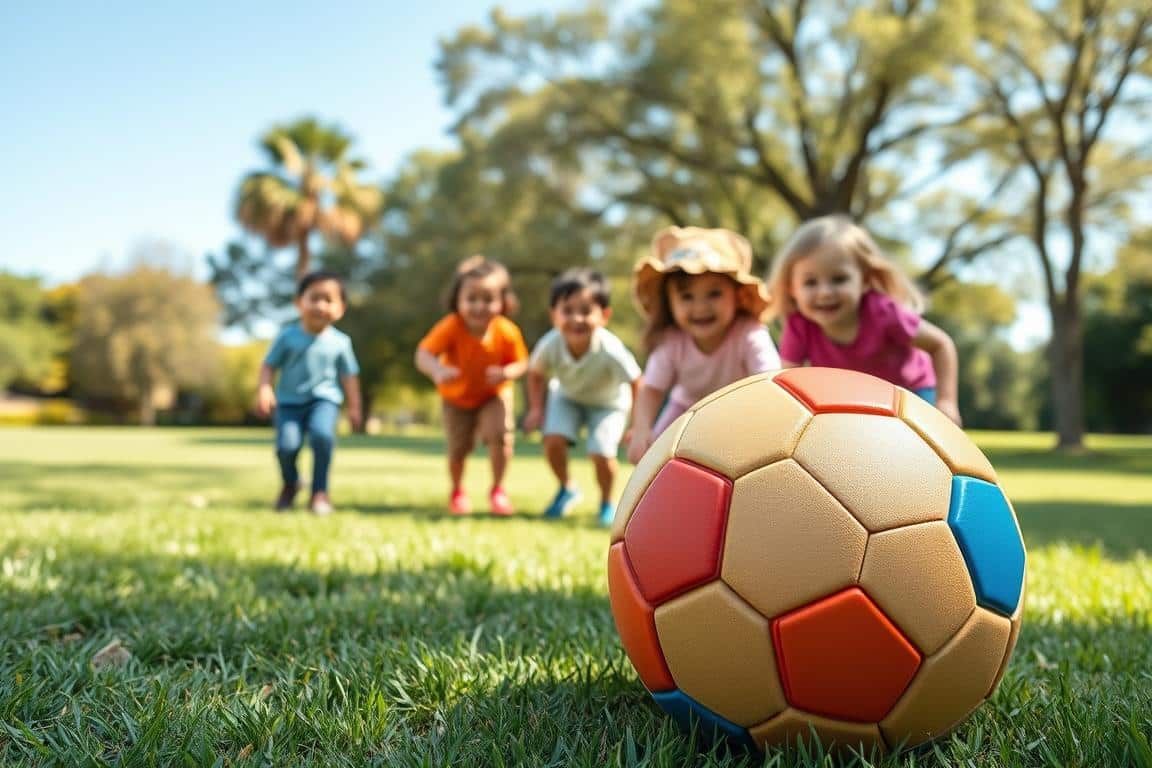
how to pick first soccer ball for toddlers — I know the small wins matter, and choosing the right ball can spark a child’s love of play in minutes.
I keep this short and practical so you can act with calm confidence. I explain simple size rules and why the right size helps handling, control, and safety.
Size standards are clear: smaller circumferences suit little feet and legs, and a Size 3 often works well for early youth. I point out when a softer training ball beats a match-style option for learning basics.
Quick checks on inflation, shape, and surface wear keep play safe and fun. I also share pump tips and wallet-friendly price ranges so you spend smart and watch your child gain steady skills.
Key Takeaways
- Choose a smaller size for better control and safety.
- Soft training balls speed skill building and confidence.
- Check inflation and shape before each game or practice.
- Match the ball type to surface: grass, court, futsal, or beach.
- Invest a bit more for durability if your child plays often.
Why the right first soccer ball matters for toddlers
A correctly sized ball turns practice into a confident smile. I watch small wins grow when gear fits right. The proper size helps handling and control. It also lowers the risk of pain and injury.
Good fit supports skill development and safe play. A lighter, softer ball lets your child learn dribbling and gentle passes. That reduces frustration and keeps play fun.
- Clean first touches feel easier and teach control.
- Light weight and soft feel cut down sting and worry.
- Proper size helps posture and prevents early bad habits.
- Early wins build confidence and love for youth soccer.
| Size | Typical ages | Main benefit |
|---|---|---|
| Size 1-2 | 2–3 years | Small, low bounce for motor play |
| Size 3 | 4–7 years | Light, controllable, ideal for development |
| Size 4 | 8–12 years | Closer to match feel, higher control needs |
| Size 5 | 13+ years | Adult size for games and full power |
If you want simple drills and tips, see this link to teach basic skills. Start small. Keep it fun. Progress will follow.
How to pick first soccer ball for toddlers
Start by matching size and feel to your child’s small feet and quick steps. A good fit helps control and keeps play fun.
Start with the right ball size for age and small feet
Choose size 1–2 for home play and motor skills under age three. Move to size 3 at ages four to seven when sessions get more structured.
Check weight and bounce for safe, easy control
Feel the weight. Your child should move the ball with short steps and gentle kicks.
- Squeeze and do a light drop test — the bounce should be steady, not wild.
- Look for the PSI range on the valve panel and inflate within that range.
Choose kid-friendly materials that hold air and feel soft
Pick a soft PU cover and high-contrast graphics for easy tracking. A butyl bladder keeps air longer; latex feels softer but needs more pumping.
| Size | Feel | Best use |
|---|---|---|
| Size 1–2 (under 22″) | Very light, low bounce | Motor play, indoor fun |
| Size 3 (23–24″) | Light, controllable | Youth training, first sessions |
| Futsal | Smaller, heavier, low-bounce | Indoor close-control practice |
| Cover & bladder | Soft PU + butyl for air | Durable, comfortable play |
Keep it simple: right size, safe weight, soft touch, clear graphics, and steady air retention. For a short equipment guide, see the parents’ equipment guide.
Soccer ball sizes by age group (U.S. standards)
Use clear size ranges when you shop so the fit is right for each age group. Below is a simple breakdown with exact circumferences and the usual U.S. youth guidance.

Size 1–2: mini balls for ages 2–3
Size 1: under 20 inches circumference. Size 2: 20–22 inches. These mini sizes suit ages 2–3 for indoor play and early motor skills like balance and coordination.
Size 3: first real youth ball for ages 4–7
Size 3: 23–24 inches circumference. This is the common youth choice for ages 4–7 and many US programs for players under 8.
Size 4–5: older youth and teens for matches
Size 4: 25–26 inches. Best for ages 8–12 as a bridge toward adult play.
Size 5: 27–28 inches. Adult match size for teens and up; used in most organized games.
- Always check circumference, not just the product name.
- Watch comfort, stride, and kick strength when moving up a size.
- When unsure between two sizes, choose the smaller one for better control.
| Size | Circumference | Typical age group |
|---|---|---|
| 1 | < 20 in | 2–3 years |
| 2 | 20–22 in | 2–3 years (mini) |
| 3 | 23–24 in | 4–7 years |
| 4 | 25–26 in | 8–12 years |
| 5 | 27–28 in | 12+ years |
Match balls vs training balls for young players
The choice of training versus match gear shapes learning, wear, and budget. I explain the main differences and when each works best for youth players.
When a training ball is the right choice
Training balls handle daily use. They have tougher covers and stand up to rough fields, scuffs, and frequent kicks.
For new players and mixed-age groups, a training option keeps costs down and practice moving. It helps build basics without stressing a softer game ball.
When a match-style ball makes sense
Match balls focus on touch and flight. They feel softer and respond cleaner in games where accuracy matters.
If your player trains often and shows consistent control, a match ball like the Nike Premier League Academy or Wilson NCAA Vivido improves striking and tracking.
- Choose a training ball for daily play and rough surfaces.
- Use a match-style ball for games or when touch and accuracy matter.
- Start with training; upgrade as control and confidence improve.
- Select Numero 10 works well both ways but needs higher inflation with its latex bladder.
- Keep sizes consistent between practice and matches for steady timing and feel.
| Type | Main strength | Best for |
|---|---|---|
| Training | Durable cover, budget-friendly | Daily practice, mixed-age group drills |
| Match | True flight, softer touch | Games, accuracy work, advanced players |
| Hybrid (e.g., Select Numero 10) | Balanced feel, higher responsiveness | Clubs wanting one ball for both uses |
Playing surface and ball type: outdoor, indoor, futsal, beach
Different floors call for different balls — and that simple swap improves control fast. Match the ball to the place where your child plays and you’ll protect the cover and boost feel.
On grass and turf, use a standard outdoor soccer ball. It gives a natural roll and a normal bounce that suits open spaces.
Indoor courts need a lower-bounce option. Choose an indoor or futsal style when space is tight. That keeps the ball near the feet and reduces wild rebounds.
Futsal balls are smaller and heavier with very low bounce. They teach close control and quick touches in small areas.
Beach play calls for a softer, lighter model. Sand softens impact, so a gentler ball cuts down sting and stays comfortable.
- Grass/turf: standard outdoor balls for roll and true bounce.
- Indoor courts: low-bounce balls for tight control.
- Futsal: smaller, heavier, very low bounce for close work.
- Beach: lighter, softer balls that suit sand play.
| Surface | Recommended ball type | Main benefit |
|---|---|---|
| Grass / Turf | Standard outdoor ball | Natural roll and normal bounce |
| Indoor / Small spaces | Indoor / Futsal | Low bounce, better control |
| Beach / Sand | Softer, lighter ball | Reduced sting, better feel |
Simple rule: match the ball to the surface. If you use one ball per main surface, the cover lasts longer and your child gets a steady feel across sessions.
Fit, control, and confidence: what toddlers need from a ball
Good touches start with a design that’s easy to see, grip, and track. I look for simple features that help a young player learn without fuss. Small checks give big wins.
Grip, panel shape, and easy tracking graphics
Bold, high-contrast graphics help a child follow the move. A slightly textured cover helps grip with shoes and small hands.
- Look: bold graphics for tracking.
- Feel: textured cover for grip during starts and stops.
- Panels: even panels mean a truer roll and easier strikes.
How size, weight, and air affect first touches
Size and weight shape early control and skills. In the U.S., Size 3 usually suits players under eight and supports steady development.
Butyl bladders keep air longer. Latex feels softer but needs more pumping. Do a drop test from waist height; a steady bounce is best.
| Check | What to expect | Quick action |
|---|---|---|
| Bounce | Steady, not wild | Adjust air |
| Cover | Softer if child flinches | Try mini or softer model |
| Graphics | High contrast | Better tracking |
Tip: Ask your child, “Does it feel okay to kick?” Their comfort guides confidence and steady skill growth.
Budget and value: how much to spend for a first ball
Let’s keep price clear so you can choose without guesswork. I’ll lay out realistic ranges and explain where a little extra cash gives larger gains.
Price bands and what they buy
Entry-level ($15–$40): Great for backyard play and first sessions. Models like Franklin Sports Mystic, Adidas Tango Glider, and Wilson Traditional give decent feel and durability without high cost.
Mid-range ($40–$80): Better seams, softer PU covers, and stronger bladders. These hold air longer and stand up to frequent practice. Pick this range when your child plays weekly.
High-end ($100+): Match-level features matter most for older youth who need true flight and precision. At toddler and early youth stages, these are often unnecessary.
Where spending a bit more pays off
- PU cover: Softer touch and longer life than basic PVC.
- Butyl bladder: Keeps air longer, so you pump less.
- Clear graphics: Easier tracking for kids during play.
- When to upgrade: If your players train multiple times weekly, move into the mid-range.
| Price band | Typical benefit | Recommended examples |
|---|---|---|
| $15–$40 | Affordable, durable for casual play | Franklin Sports Mystic, Adidas Tango Glider, Wilson Traditional |
| $40–$80 | Better feel, stronger seams, lasting air | Select Club DB, Nike Pitch Training, Adidas MLS Training |
| $100+ | Match features for advanced touch and flight | Higher-end match models used by clubs |
Bottom line: If you’ll buy a single ball, choose a durable mid-range model in the right size. That gives reliable touch, steady air, and the best value for young children learning the game. Match-level bells and whistles can wait.
Care, air, and durability: keep the ball game-ready
A little attention after each session keeps a round ball rolling true. I’ll share simple steps you can do at home. These keep training fun and save you money over years.
Proper inflation: PSI, pumps, and needles
Inflate to the PSI printed near the valve. Use a hand pump and drop a bit of water on the needle before inserting. That protects the valve and bladder.
If the ball uses a butyl bladder, it holds air longer. Latex bladders need more frequent top-ups. Check air weekly when the ball sees regular practice.
Simple checks for wear and tear
Look over panels, seams, and the cover after sessions. Small cuts or loose seams grow fast with hard kicks.
- Wipe grit and dirt off the cover — it lasts longer and feels better.
- Keep a spare needle with your equipment; bent needles happen with young children.
- Replace any badly misshapen ball — a true round shape supports good technique.
Storage tips to protect shape and bladder
Store balls indoors at room temperature. Heat or cold can warp shape over time.
For long storage, let a little air out to ease pressure on the bladder and seams. Do not sit on the ball; extra load strains the bladder and can bend the shape.
| Check | Action | Frequency |
|---|---|---|
| Air level | Top-up to PSI | Weekly during practice |
| Panels & seams | Inspect and clean | After outdoor sessions |
| Storage | Indoor, slight deflation if long-term | Between seasons / years |
Editor’s short list: right soccer balls for toddlers
I list simple, trusted models that help kids hit small goals fast. These picks cover indoor minis, common training rounds, and a low-bounce futsal option for tight spaces.
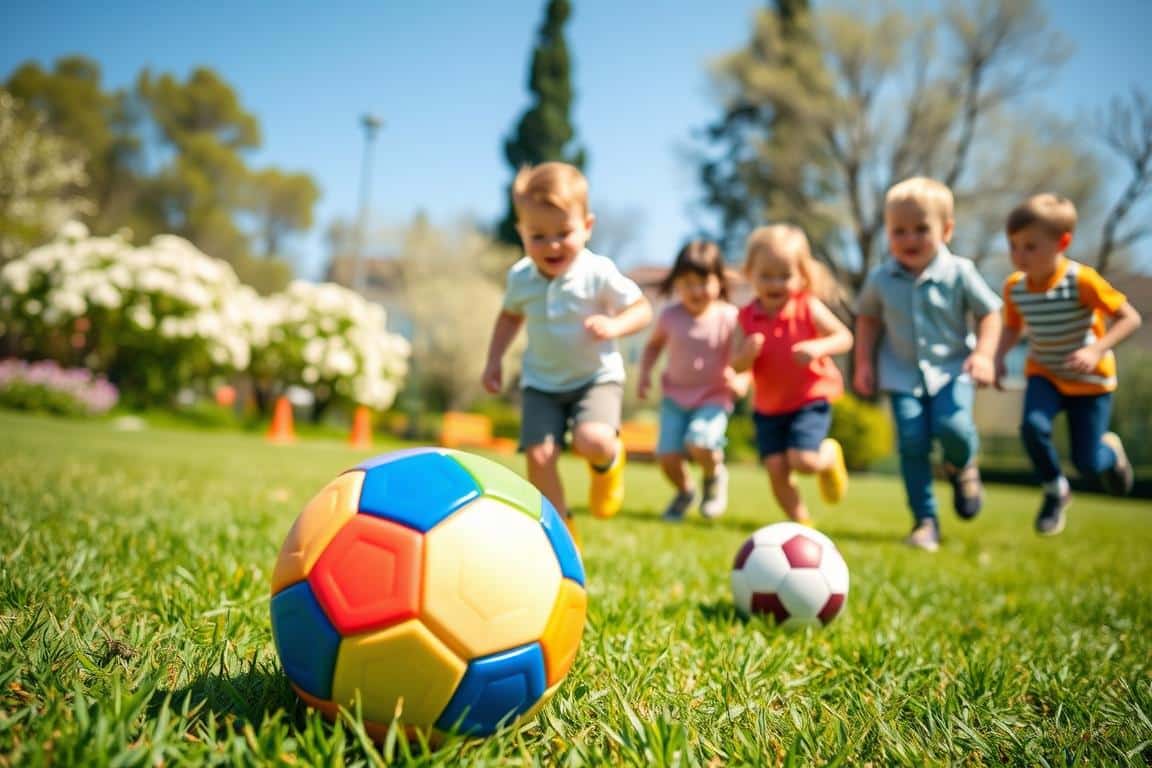
Mini balls (Size 1-2) for indoor fun and motor skills
Adidas Mini Ball (Size 1) and Nike Skills Soccer Ball (Size 1) are great for play at home. They are light, soft, and easy for small feet to move.
Size 3 training balls for ages 4-7
Franklin Sports Mystic and Adidas Tango Glider offer good value and steady air. Wilson Traditional is a classic that feels familiar and inspires confidence.
Select Club DB gives a softer training touch, while Nike Pitch Training uses bold graphics for easier tracking. The Adidas MLS Training adds a pro look that excites young players.
Futsal option for close control in small spaces
Senda Vitoria (junior) and Senda Rio Training Futsal Ball keep bounce low so children learn tight touches in small areas.
- If your child is 4–7, choose a Size 3 for safer kicks and easier learning.
- Pick high-contrast graphics for better tracking under indoor light.
- Always double-check the size age markings so the item matches your child’s current stage.
| Category | Top picks | Best for |
|---|---|---|
| Mini (1–2) | Adidas Mini, Nike Skills | Indoor play, coordination |
| Size 3 Training | Franklin Mystic, Adidas Tango, Wilson Traditional | Beginners aged 4–7 |
| Futsal | Senda Vitoria, Senda Rio | Small spaces, close control |
Conclusion
Wrap up with one clear rule: size shapes skill, safety, and simple fun.
Choose the right size first; it guides touch and builds confidence in games and matches.
For toddlers, a mini or Size 1–2 turns practice into play. For ages 4–7, Size 3 creates real youth soccer feel.
Pick training balls when practice is daily; choose match-style models on game day. Match the type to your main surface for steady feel.
Check PSI, seams, and cover often. Keep choices simple: right size, safe feel, steady air, and clear graphics for young players.
Start now with one well-sized ball and watch steady progress over years. You’ve got this!