
Balance Board Exercises for Kids Soccer
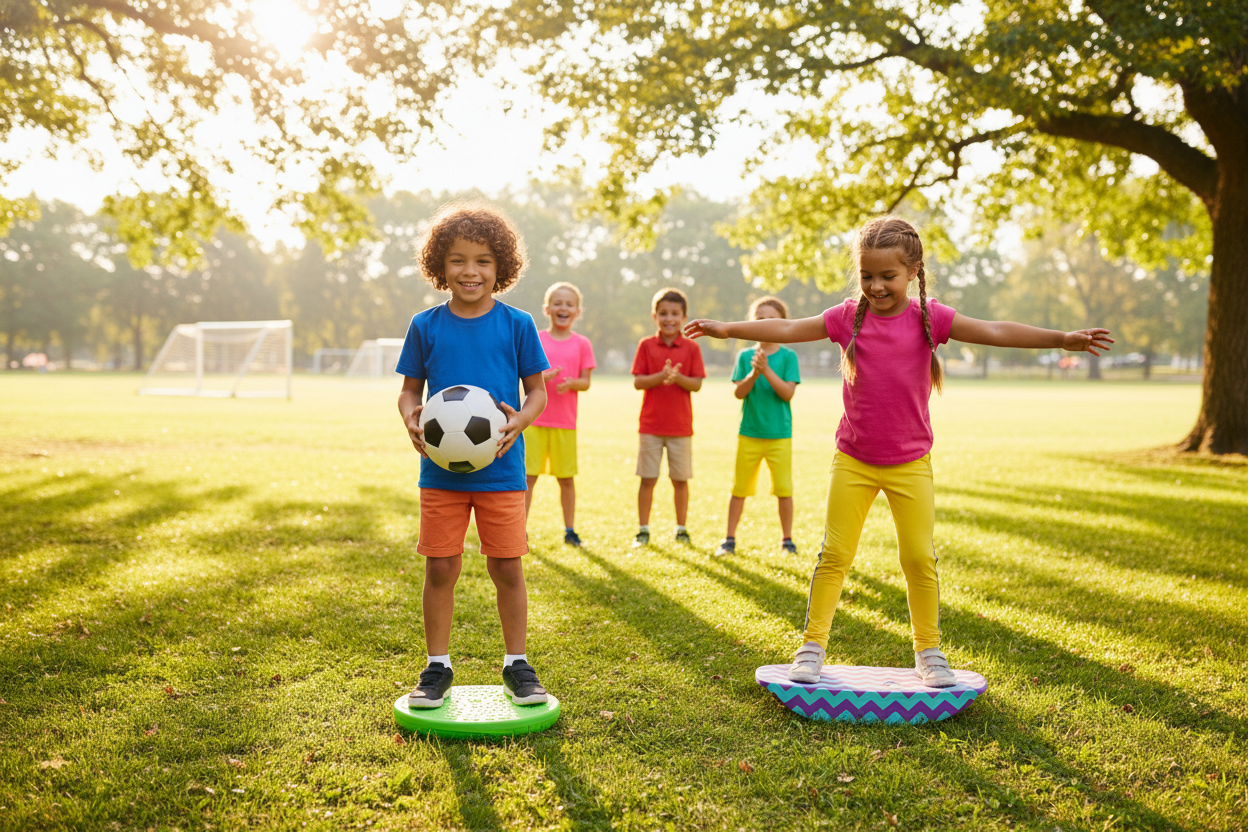
Watching your little athlete wobble while trying to keep the ball can be tough, but balance board exercises for kids soccer are a total game-changer. I am so excited to help your young player stand taller and move with more grace on the field. These simple moves make a huge difference in how they handle the ball during a fast match.
Training this way improves balance quickly and keeps things fun at home. You only need about ten minutes a few times a week to see real growth. This practice gives them the confidence to stay upright when another player bumps into them while competing for the ball.
We will start with easy movements and slowly try harder ones as they get better. It is a wonderful way to build physical skills without the stress of a formal practice. Your child will love feeling stronger while playing the sport they enjoy with their friends!
Key Takeaways
- Boosts confidence during physical play on the pitch.
- Requires only 10-15 minutes of practice per session.
- Simple to perform in the comfort of your living room.
- Helps your child maintain better control of the ball.
- Reduces the chance of falling during high-speed movements.
- Creates a strong foundation for future athletic growth.
Why Balance Matters for Young Soccer Players
Good balance acts as the hidden foundation for every move your child makes during a soccer match. I believe that teaching kids how to stay steady is the first step to building real confidence on the field.
When a player has good balance, they can keep total control of their body while running. This stability allows them to dribble and pass with much better accuracy during the game.
If you help your child improve balance, they will stay on their feet even when other players bump into them! Strong balance also helps them transfer their weight to make kicks more powerful and accurate.
- It allows kids to focus on the play instead of worrying about falling.
- Better stability leads to more successful tackling and ball protection.
- It creates a strong physical base for all future athletic skills.
I have seen how much more fun kids have when they feel sturdy and strong. When your child masters their own movement, they can finally unlock their full potential!
| Soccer Skill | How Balance Helps | The Result |
|---|---|---|
| Dribbling | Keeps feet moving quickly | Better ball control |
| Shooting | Proper weight transfer | More power and accuracy |
| Defending | Staying upright during bumps | Fewer falls and lost balls |
How Balance Training Improves Soccer Performance
Improving balance is not just about staying upright; it changes how kids play soccer. I love seeing how these simple drills give your child better coordination for every movement. Regular practice builds leg strength and protects the small muscles in the ankles and knees.
When your child knows where their body is in space, they gain the ability to improve balance naturally. This awareness makes them more skilled and confident in their movements during a fast game. It also reduces the risk of injuries by preparing their bodies for sudden stops and turns.
Training on a board helps them keep their eyes on the ball instead of watching their feet. This boost in confidence makes players much braver during practices and competitive matches. It truly improves balance and helps them master technical skills like dribbling and passing with ease!
| Skill Area | Training Benefit | On-Field Result |
|---|---|---|
| Body Awareness | Better balance control | Fewer trips and collisions |
| Muscle Stability | Increased ankle support | Lower risk of common injuries |
| Visual Focus | Eyes stay off the ground | Improved passing and dribbling |
| Reaction Time | Faster core engagement | Quicker changes in direction |
Benefits of Using a Balance Board for Soccer Kids
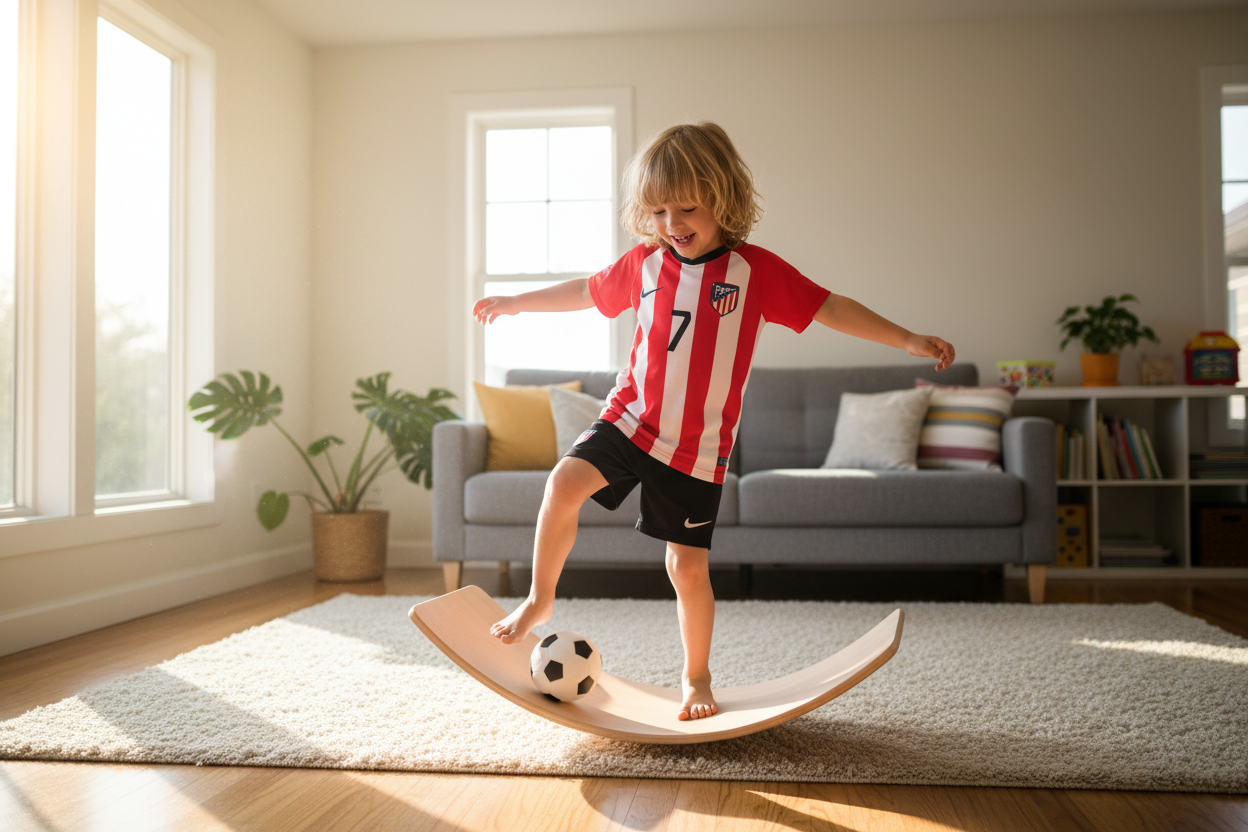
I love seeing how a simple tool can transform a child’s soccer skills so quickly! A balance board is an excellent way to train the same leg muscles and core strength your child uses during every game.
These simple exercises help your young player build great stability on the field. This is an excellent way to work on single-leg balance, which is vital for kicking the ball and changing directions quickly.
Using a balance board helps the brain keep the body aligned while moving forwards and backwards. This boost in agility makes your child faster and safer as they learn how to improve soccer footwork during practice. It also strengthens the ligaments in their tiny feet.
I find these tools perfect for home training because they build confidence through fun play. Regular practice also improves focus and concentration during fast-paced matches! Your child will feel more steady and ready for every game situation.
Safety Tips Before Starting Balance Board Training
To make sure your little athlete stays safe while improving their balance, follow these simple steps first. Always check that your equipment is dry and not slippery. I want your child to feel confident and secure from the very first moment.
I suggest practicing barefoot or in socks. This helps your child feel the board better with their feet. Having a direct touch on the equipment helps with stability control during the movements.
Keep the first sessions very short to avoid overworking the muscles. Only 5 to 10 minutes of time is enough for their first exercise. Stand very close to your child during the first few tries so they feel safe.
You can help them maintain stability if they start to wobble or tilt too far. Set the board on a soft surface like a rug or a yoga mat. Never let them practice when they feel tired or sleepy after a long day.
Make this training a fun part of your weekly routine. It is better to practice a few times a week than every single day. Always start with easy moves before trying any jumping drills to keep the balance training injury-free!
| Safety Factor | Importance | Pro Tip |
|---|---|---|
| Surface Grip | Stops sliding | Keep board dry |
| Footwear | Better feel | Go barefoot |
| Supervision | Prevents falls | Stand nearby |
| Muscle Rest | Avoids fatigue | 3 days a week |
Basic Balance Board Exercises for Kids Soccer
I love seeing the look on a child’s face when they first master the art of staying upright on an unstable surface! These first exercises help your little star feel safe while they learn to control their body. We want to start slow so they feel confident and stable before trying harder tricks.
Two Footed Balance Hold
The Two Footed Balance Hold is the perfect way to find your center. Have your child stand on the board with their feet shoulder-width apart. They should try to keep the edges from touching the ground for 30 seconds to build stability and balance.
Basic Single Leg Stance
A basic single leg stance is a vital balance exercise for soccer players. For this move, your child lifts one foot and holds the position for 20 seconds. This stance builds the leg strength your child needs for powerful kicks and better ball control on the field.
Weight Shift Exercise
I recommend the Weight Shift Exercise to help kids move their bodies smoothly from side to side. Have them gently rock the platform from left to right in a controlled way. This balance exercise will improve balance and prepare them to react quickly during a real game!
| Exercise Name | Duration | Primary Goal |
|---|---|---|
| Two Footed Hold | 30 Seconds | Find Center |
| Single Leg Hold | 20 Seconds | Build Strength |
| Weight Shifting | 60 Seconds | Smooth Control |
Practice these foundational exercises for one or two weeks before moving to the next level. You want to make sure your child feels very comfortable and steady first. A little bit of practice every day goes a long way in building their soccer skills!
Single Leg Balance Exercises
I love using single-leg drills because they directly mimic the real movements your child does on the field. In a typical soccer game, players often stand on one foot while the other leg is busy kicking the ball. These exercises help your child maintain balance and build the strength they need for great plays!
Standing Leg Lifts
This drill teaches your child to stay steady while one leg moves. Have your child lift one knee to hip height and hold it for 10 to 15 seconds. This simple movement really improves balance on the standing side.
Shooting Position Hold
This position looks exactly like a player getting ready to strike a ball. Your child should stand on one foot and extend the other leg backward. Holding this for 15 seconds helps them maintain balance before they take a big shot.
Kicking Motion Practice
Now, let your child slowly swing their kicking leg forward and backward. This active balance work prepares them for real-game action and keeps them safe. I recommend practicing both sides to build equal leg power and balance for every game!
| Exercise Name | Recommended Time | Key Player Benefit |
|---|---|---|
| Standing Leg Lifts | 10-15 Seconds | Standing Leg Stability |
| Shooting Position Hold | 15 Seconds | Proper Striking Form |
| Kicking Motion Practice | 10 Swings | Dynamic Core Control |
Balance Board Exercises with Arm Movements
I love introducing arm motions because they help kids realize how much their feet actually do to keep them steady. When we add these movements, your child’s core muscles have to work much harder. This style of training mimics real soccer moments where they must keep their balance while reaching for a pass or running fast.
Arm Circles While Balancing
These specific exercises are wonderful for improving balance even when the upper body is busy. Have your child stand tall on the board and slowly make circles with both arms. They should try going forward and then backward while focusing on their stability.
Overhead Reaches
This move focuses on balance coordination by shifting the center of gravity higher up. Your child should reach both arms straight up toward the ceiling as if they are celebrating a goal. They need to hold this position for five seconds before lowering them slowly to maintain total control.
Side Arm Extensions
Moving arms out to the side is another way of improving balance through lateral coordination. Have them extend one arm out to the side and then switch to the other. These movements strengthen the whole body and prepare them for quick turns on the soccer field!
| Exercise Name | Primary Goal | Soccer Benefit |
|---|---|---|
| Arm Circles | Dynamic Stability | Better Running Form |
| Overhead Reaches | Vertical Shift | Winning Headers |
| Side Extensions | Lateral Control | Shielding the Ball |
Head Position and Control Exercises
I have found that teaching kids where to look is the secret to mastering board stability. The position of the head is actually very important for total body stability during a game. When young players move their heads quickly, their balance often feels compromised.
This is exactly where spatial awareness comes into play for your child! Keeping the eyes steady allows the brain to process movement much faster.
Head Turns on the Board
These head turns help kids develop balance coordination by keeping their frame still while looking around. Have your child stand steady on the board and slowly turn their head to look over their left shoulder. Then, they should look over their right shoulder while staying quiet in their legs.
This specific practice is vital because soccer players must watch the ball and scan for teammates at the same time. Improving this type of coordination makes them much more effective and aware during a match!
Looking Up and Down Movements
These movements train your child to control their posture when shifting their gaze from the ground to the sky. Your child should look up at the ceiling for three seconds and then down at the board. They should repeat this ten times to keep their balance firm.
These exercises help them track a high ball in the air without falling over on the grass. I have noticed that kids who practice this have much better balance coordination during their weekend games!
| Movement Type | Specific Action | Soccer Benefit |
|---|---|---|
| Horizontal Turns | Looking over shoulders | Scanning for defenders |
| Vertical Shifts | Looking up and down | Tracking flighted balls |
| Fixed Focus | Staring at a target | Better core stability |
Two Leg Stability Drills
I love starting with two-leg movements because they help kids feel safe while building essential skills. These exercises allow your child to maintain stability using both feet at once. This practice builds the necessary strength for powerful soccer moves like jumping and landing safely on the grass!
Side to Side Tilts
This drill teaches your little player better stability control by rocking the board gently. Have them slowly move the board from the left edge to the right edge and back again. Your child uses their leg muscles to keep the movement smooth and steady.
Forward and Backward Rocks
Rocking front to back helps kids maintain stability in every direction on the pitch. These movements strengthen the small stability muscles in the ankles, knees, and hips. It is a great way to improve overall balance before moving to more difficult drills.
Balance Board Squats
Squats are amazing for building a strong core and increasing stability control during a game. Have your child bend their knees into a small squat while keeping the board as level as possible. These exercises give them the stability and confidence they need for every soccer match!
| Drill Name | Main Goal | Key Focus |
|---|---|---|
| Side to Side Tilts | Movement Control | Ankle Flexibility |
| Forward/Backward Rocks | Improve balance | Joint Health |
| Board Squats | Build Power | Lower Body Strength |
Jumping Exercises on the Balance Board
Once your young athlete feels confident standing, jumping exercises are a great way to improve balance further. I always suggest waiting until they have mastered basic standing drills first. These movements build the explosive leg strength needed for heading the ball during a real game.
Jumping on an unstable surface teaches your child how to control their body in the air. This practice is vital for balance when they land after a high kick. It helps improve balance by forcing the brain to find the center quickly after every hop.
Two Footed Jumps
Start with small jumps just a few inches high. Have your child focus on landing softly in the center of the board. This is a solid way improve their landing technique after being bumped on the field.
It trains the muscles to react quickly to shifting ground. Make sure they keep their knees slightly bent to absorb the impact. I recommend keeping balance as the main goal rather than how high they can jump.
Single Leg Hops
These are more advanced and rely on your child’s current ability to hold a steady position. They should only try this if they can already stand on one foot for thirty seconds. These exercises ensure they stay on their feet during intense soccer matches.
Limit the total jumping time to just two or three minutes to protect their young joints. Always watch their form to ensure they land in the middle of the board every time. Soft landings are the key to building safe, powerful soccer habits.
| Exercise Type | Challenge Level | Primary Benefit |
|---|---|---|
| Two Footed Jumps | Intermediate | Safe Landing Technique |
| Single Leg Hops | Advanced | Ankle Stability |
| Soft Landing Drill | Beginner/Jumping | Joint Protection |
Running Movement Drills
Executing basic running movements on an unstable surface is a great way improve spatial awareness. Your child’s feet feel the soft surface and learn to adapt their technique to the change. These exercises are fun and mimic the action of a real soccer game.
They challenge your child to stay steady while their limbs are in motion. Adding movement to stability training creates a realistic challenge for every young athlete. I find that these drills prepare kids for the fast-paced reality of the field!
Running in Place
This drill teaches your child to maintain balance while their legs move quickly. I find it prepares them for the sudden bursts of speed they need on the field. Have your child jog slowly in place on the board.
They should lift their feet slightly and keep the board as steady as possible. This builds the leg coordination needed to control the ball at different speeds. It is a simple yet effective tool for development.
Knee Lifts
Knee lifts take things a step further by increasing the range of motion. Your child alternates legs and lifts each knee high toward their waist. They should maintain a controlled rhythm while placing their foot back down.
These movements help improve the ability to stay upright when dribbling the ball. Using these drills makes the training feel like a fun game. Your child learns to balance, run, and focus all at the same time!
| Drill Type | Main Focus | Soccer Benefit |
|---|---|---|
| Running in Place | Steady Rhythm | Speed Transitions |
| Knee Lifts | High Elevation | Dribbling Stability |
| Pace Changes | Movement Control | Spatial Awareness |
How to Add Balance Board Training to Soccer Practice
Fitting simple activities into your child’s week is a clever strategy for athletic success. Adding these exercises to your child’s routine is a great way to help improve their skills at home. I recommend doing balance exercises soccer sessions about 2-3 times per week on non-game days.
Keep each session short, usually between 10 to 15 minutes of time. This ensures they don’t get too tired before their actual soccer games or team practices. You can make it part of a warm-up or a quick mini-workout right after school or before dinner.
Consistency matters most, so repeat these movements regularly to build better balance. These short bursts of balance exercises soccer work wonders without needing a huge field or extra equipment! Finding the right balance between rest and work will keep your child motivated and strong.
| Training Day | Activity Level | Session Goal |
|---|---|---|
| Monday | Light Effort | Basic Stability |
| Wednesday | Medium Effort | Kicking Motion |
| Saturday | Steady Focus | Core Control |
I suggest tracking your child’s progress by writing down how long they can hold each position. This helps them see how much soccer skill they gain each week through steady practice. Start with just two or three movements and slowly add more as they feel comfortable on the board!
Common Mistakes to Avoid During Balance Training
I want to help you avoid the most common errors parents make during balance training. One big mistake is letting kids practice when they are tired from soccer or school. Tired muscles cannot maintain balance properly, which leads to falls.
Always check the surface before your child steps onto the board. A wet or slippery floor is very dangerous for young athletes. Make sure they are not wearing just socks, as they need a good grip to stay safe.
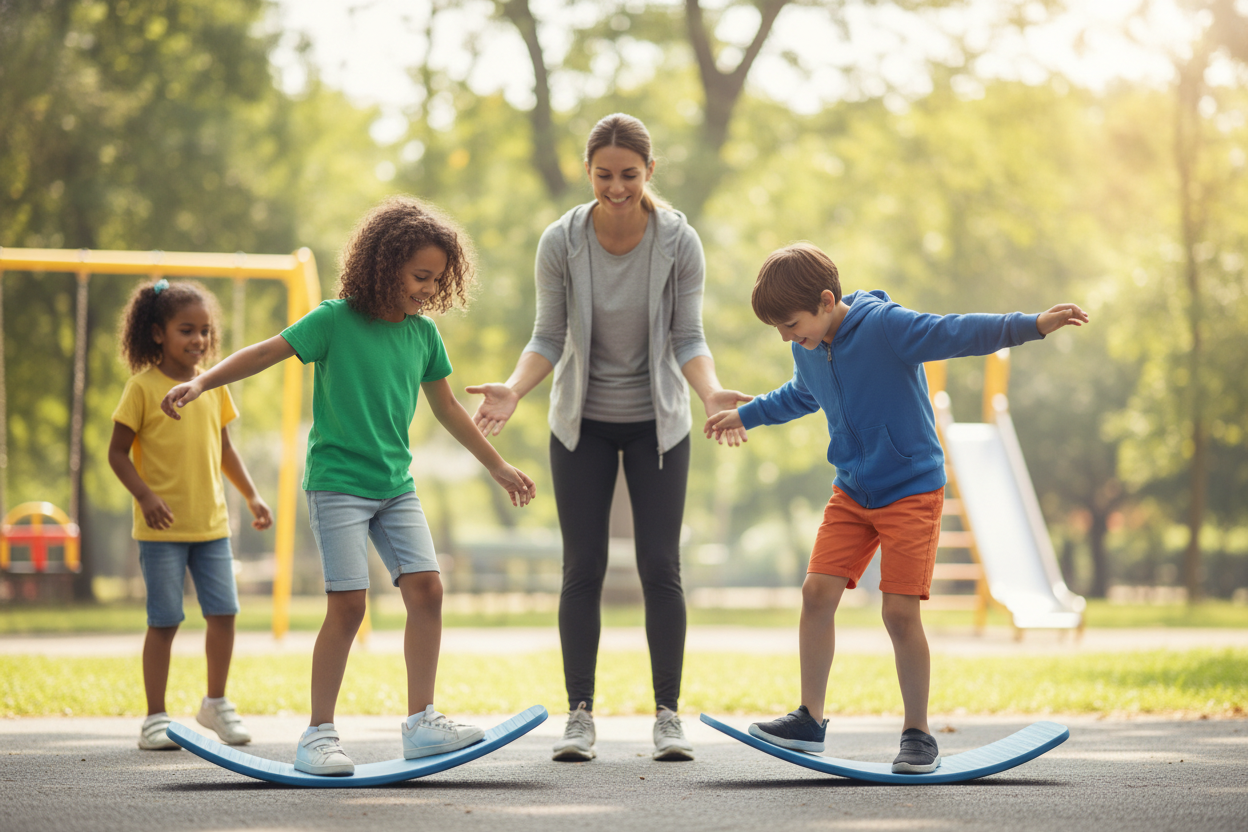
The wrong way practice balance is to rush into hard moves too quickly. Your child needs a learning period to master the basic stance first. Training improves balance gradually, so please be patient with their progress.
- Never let them practice while they feel fatigued or worn out.
- Don’t skip the warm-up like ankle circles and toe touches.
- Keep sessions short so their feet and legs do not get too sore.
| Common Mistake | Better Approach | Why It Matters |
|---|---|---|
| Practicing while tired | Train when fresh | Prevents injury |
| Rushing results | Give it time | Builds real skills |
| Hard drills first | Start with balance | Creates a foundation |
Consistency is key to help your child improve balance for the long term. Avoid long sessions that cause their form to suffer. Celebrate every small win and keep the energy positive and fun!
Conclusion
Watching your child gain confidence through these drills is a rewarding experience for any parent. Improving balance is a vital part of helping your young player master the ball. These balance exercises soccer training sessions give your child a real advantage on the field by building balance and focus.
They help strengthen your child’s feet, leg muscles, and core. This full body workout improves their ability to stay upright during a tough soccer game. You now have the right way practice balance at home using simple movements and a ball.
Make this training a part of your regular routine just a few times a week. Over a short period of time, you will see better agility and faster reaction speeds. These exercises help your child change directions quickly while keeping perfect control.
I am so excited for you to see how these drills improve balance soccer skills. Your child will develop the stability and coordination needed for long-term success. I know these exercises help to improve balance soccer performance while making the sport more enjoyable for your family!
| Training Focus | Main Benefit for Kids |
|---|---|
| Core Stability | Better posture and strength during kicks |
| Foot Coordination | Improved ball handling and quickness |
| Consistent Routine | Faster reaction times and agility |