
Core Stability Exercises for Young Players
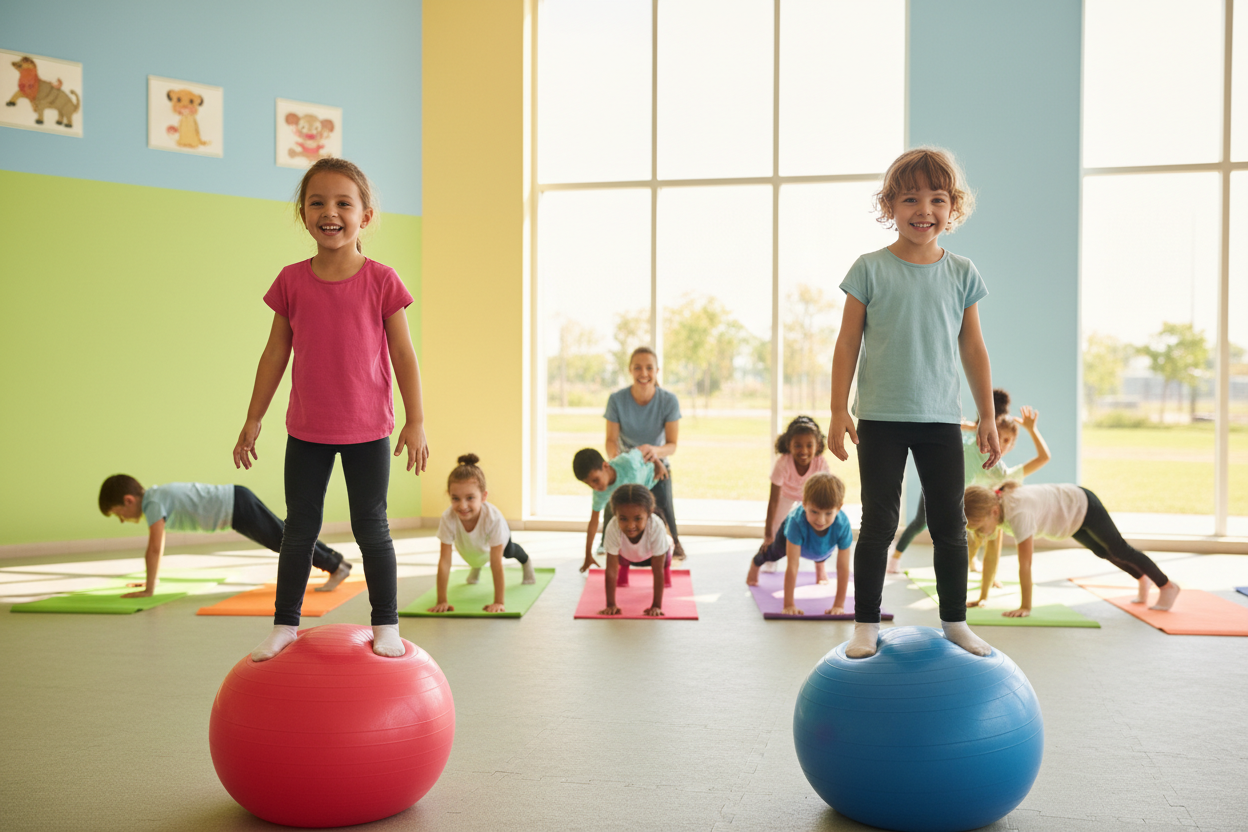
Imagine your child moving with the grace of a natural athlete and the steady focus of a top student. Integrating core stability exercises for young players into their weekly play does more than just boost sports skills; it builds a foundation for a lifetime of health.
I want to help you understand why a strong core is so essential for your child’s developing body. This inner strength protects their spine and helps them stay balanced during every jump and sprint on the field.
Building this physical stability early on also helps kids sit with better posture in the classroom. When they feel physically supported, they can concentrate longer and move with much more confidence throughout the day.
These simple exercises are designed to be fun rather than feeling like extra work for your family. By starting now, you are giving your young athlete the best tools to stay safe and active as they grow.
Key Takeaways
- Strong foundations improve balance and coordination for sports.
- Better posture helps children focus and pay attention in school.
- Strengthening the core protects the spine and reduces future back pain.
- Early physical training builds confidence in every movement.
- Simple, fun activities prevent common injuries as children grow.
- Starting early creates a solid base for running and jumping.
Why Young Players Need Core Strength
It is amazing how a stable middle can help your child succeed in every part of their day. I want you to know that building core strength affects way more than just soccer skills on the field.
When the core is solid, your child’s whole body works much more efficiently. This physical base helps them stay energized during long school days and active practice sessions.
Better Posture and Focus in School
You might notice that children with a weak center tend to slouch or lean on their desks. This usually happens because their muscles get tired from just trying to sit upright for several hours.
When your child’s core muscles are strong, they can sit up straight without any extra effort. Their muscles handle the work of staying upright so they do not feel physical fatigue.
This physical stability frees up their brain to concentrate on lessons and homework. If they are not fighting to stay in their chair, they can focus better on learning!
Improved Balance During Sports
A strong middle directly connects to better balance during every athletic activity. It helps your child stay steady when they are running fast, kicking the ball, or changing direction quickly.
Stronger Foundation for Movement
Think of the core as the foundation for every movement your child makes. It acts as the center that stabilizes the body so that arms and legs can work effectively and powerfully.
Injury Prevention and Body Control
Building this strength now helps prevent common sports injuries as your child grows. It teaches them how to move with better control and physical awareness during high-energy games.
A stable middle protects the spine and the lower back during intense physical activities. When they use their core strength, the back does not have to take on all the stress of the movement.
| Daily Activity | With a Strong Center | With a Weak Center |
|---|---|---|
| Sitting at a Desk | Stays upright and alert | Leans on hands or slumps |
| Playing Soccer | Stays stable while kicking | Loses footing very easily |
| Carrying a Backpack | Keeps a healthy posture | Arches the back too much |
How Core Stability Helps Athletic Performance
I am so excited to show you how a strong center transforms your child’s athletic abilities! Developing core stability is like building a solid bridge for every movement they make. It adds stability to their play and helps them feel more confident on the field.
Power Transfer from Legs to Arms
When your child kicks a ball or runs, the energy starts in their legs. This power must travel through the core to reach the arms and upper body. Without a stable middle, that energy “leaks out” and makes their actions feel weak.
Effective training ensures that the core acts as a strong link. It lets the hips and shoulders work together without losing any force. This makes every throw or kick much more powerful for your young player.
Better Control During Direction Changes
A stable middle helps your child change direction quickly without losing balance. It provides the control needed to slow down safely and speed up again. This type of body awareness keeps them upright during fast games.
When the core is engaged, your child can pivot and dodge with ease. They stay in control of their balance even when the game moves fast. This helps prevent stumbles and keeps their technique very clean.
Reduced Fatigue During Games
A strong core makes every athletic movement more efficient. Since the body works better as a unit, it uses much less energy. This means your child won’t feel as tired during long practices or games.
Building this strength allows them to play harder for a longer time. Proper training helps them maintain their form even when the game gets tough. They will have more fun because they have the energy to keep going!
| Athletic Benefit | Stable Core Results | Weak Core Impact |
|---|---|---|
| Energy Flow | Smooth power transfer | Energy “leaks” and waste |
| Balance | Quick direction changes | Frequent stumbles |
| Endurance | Lower fatigue levels | Tires out very quickly |
Understanding Your Child’s Core Muscles
I want to help you see that your child’s core muscles are a hidden support system wrapping around their entire trunk. These muscles do much more than just look strong on the outside. They act as the primary anchor for the whole body while your little athlete runs and plays.
What the Core Does
Think of the core as a vital bridge between the upper and lower body. It helps transfer power from the legs to the arms during every kick or throw. This central link keeps the pelvis and ribs aligned so the back stays safe and comfortable.
Core Muscles Work Together
Many different muscles work as a team to create total stability during fast sports movements. This team includes the front, back, and side muscles that wrap around the trunk. When they work together, they stop the center from swaying or rotating at the wrong time.
| Core Component | Primary Role | Physical Benefit |
|---|---|---|
| Front Muscles | Resist collapsing | Better balance |
| Back Muscles | Support the spine | Reduced fatigue |
| Side Core Muscles | Steer rotation | Cleaner power |
Building Strength Takes Time
I will be honest with you; building real strength in this area takes time and consistent practice. Children’s bodies are still growing, so their muscles develop at their own pace. Be patient as they learn to control their spine and stay balanced during their favorite games.
Best Core Stability Exercises for Young Players
Helping your child build a strong middle starts with simple moves you can do right at home! I love these core stability routines because they are easy to teach and very effective. Using a variety of exercises ensures your child gains better control over their physical movements. It is important to guide them into the right position before they start.
You can turn these movements into a fun daily challenge for the whole family. Most of these require no special gear, just a little bit of space. Focus on strong, steady movements rather than moving as fast as possible.
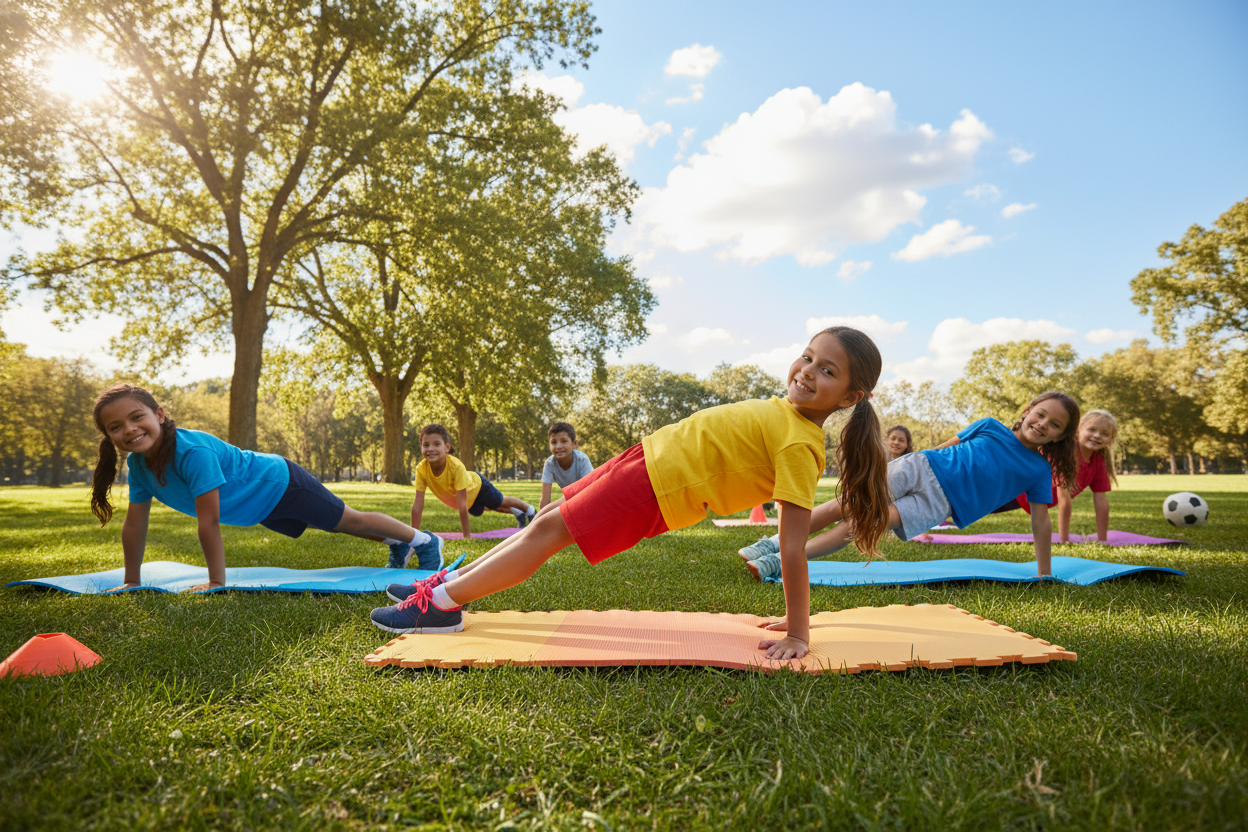
1. Plank Hold
The plank is a classic move that builds full-body strength. Ask your child to place their hands and toes on the floor. Their body should stay in a straight line from their shoulders down to their heels. Keep the arms straight and encourage them to breathe normally while they hold this plank.
2. Side Plank
This side version of the move focuses on the muscles along the ribs. Have your child balance on one hand and the same side foot. They should keep their body straight like a large letter T. A strong side plank helps children maintain balance during quick turns on the field. This side plank variation is a great way to improve lateral power.
3. Bird Dog
Your child starts on their hands and knees in a crawling position on the floor. They will extend the right leg behind them to hips height. At the same time, they raise the left arm forward. This specific move builds stability by forcing the body to stay level.
4. Dead Bug
For this one, your child lies on their back and lifts both knees. I suggest placing a small ball at the knee and pressing the hand into it. They slowly extend the left arm and right leg while keeping their back flat. These exercises are perfect for improving coordination.
5. Superman Hold
While lying on the stomach, your child will lift their legs and chest off the floor. Only the lower abdomen should stay in contact with the ground. This hold is one of the best exercises for strengthening the muscles along the spine.
6. Glute Bridge with Marching
Have your child lie down and place their hands by their sides. They should lift their hips to form a bridge and hold the position. From here, they lift one knee to a 90-degree angle and then the other. Keeping the hips level during this leg march is the secret to building stability.
| Exercise Name | Starting Point | Main Goal |
|---|---|---|
| Bird Dog | Hands and Knees | Balance |
| Dead Bug | Back on Floor | Core Control |
| Superman | Lying on Stomach | Back Strength |
| Glute Bridge | Hips Raised | Hip Strength |
Fun Movement Exercises That Build Core Strength
I love these fun movement exercises because your child won’t even realize they’re working on core strength. They will simply think they are playing a game! Using play makes the body stay balanced and strong while having a great time.
I want you to try these simple activities at home or on the soccer field. These movements help young players develop better control without the pressure of a formal workout. They are perfect for building confidence and athletic ability early on.
Crab Walk
The Crab Walk is a classic favorite for many kids. To start, have your child sit on the floor with their hands and feet flat down. Tell them to lift their bottom up so their stomach faces the ceiling.
Encourage them to move in a forward or backward direction like a real crab. This simple movement strengthens the core and the arms at the same time. It also helps with coordination between different parts of the body.
Bear Crawl
For this exercise, your child walks on their hands and feet with their bottom high in the air. I like to tell them to be “quiet baby bears” as they move around the room or the yard. It keeps them engaged and focused on their stability.
Wheelbarrow Walk
You can turn this into a great team activity with a partner or a parent. One person holds the child’s legs while the child walks on their hands across the floor. The “holder” also gets a workout by maintaining a steady balance.
Army Crawl
Have your child lie flat on their stomach for the Army Crawl. They must pull themselves forward using only their elbows and forearms along the floor. This builds incredible core stability as they keep their middle tight during the crawl.
Donkey Kicks
Start in a crawling position on hands and knees. Slowly and carefully, have your child kick one of their feet upward toward the sky like a playful donkey! This exercise targets the lower back and hips while keeping the side muscles engaged.
Bicycle Kicks
Lie on the back with the head and neck curled up slightly. Move the legs in the air like pedaling a bike to keep the core very tight. You can add opposite arm movements to each side for an additional abdominal challenge.
By rotating through these fun activities, your child stays active and excited. These movements provide the foundational strength they need for every soccer game. Watch how their knees and joints become more stable with every session!
| Movement Name | Primary Target Area | Equipment Needed | Fun Factor |
|---|---|---|---|
| Crab Walk | Arms and Middle | None | High |
| Bear Crawl | Full Strength | None | Very High |
| Donkey Kicks | Lower Core | None | Medium |
| Bicycle Kicks | Stomach and Side | None | High |
Core Exercises with Simple Tools
I am excited to show you how basic tools can make core exercises even more effective for young athletes! You do not need a gym full of expensive equipment to help your child grow strong and confident. Using simple household items keeps activities exciting and prevents your child from getting bored with their routine.
I love seeing how a few cheap items can transform a living room into a training zone. These tools provide new challenges that keep your child’s muscles guessing and their mind engaged. Let’s look at some easy ways to use everyday objects for better strength.
Stability Ball Activities
A large ball is a fantastic tool for any young player. When your child sits or lies on it, they activate all the small muscles along their spine. This helps with stability and teaches their body how to stay upright during a busy game.
The gentle bouncing provides helpful sensory input that “wakes up” the nervous system. It is a simple way to build a stronger back and better posture without much effort. I recommend keeping one in the playroom for quick sessions.
Balance Ball Sitting and Bouncing
Try using a ball instead of a traditional chair during homework time or while they watch a movie. This simple exercise keeps the brain alert through small, constant adjustments. It is much better for their body than slouching on a soft couch.
Your child can also practice rocking from side to side while keeping their feet planted. This movement improves their balance and strengthens the muscles along the trunk. It turns sitting still into a productive workout!
Balloon Kicks
Hang a colorful balloon from a string and let your child kick it repeatedly. They can do this while standing or while holding a crab walk position. Using their hands for support on the floor while kicking the floating target builds amazing total body strength.
This exercise is perfect for improving coordination and timing. Since the balloon moves slowly, it gives them plenty of time to react. It makes working on their core feel like a birthday party game!
Paper Plate Slides
Place each foot in the center of a paper plate on a smooth floor. Have your child slide their feet to move around the room like they are ice skating. These core exercises force them to stay tight and controlled so they do not slip or lose their footing.
This activity focuses heavily on balance and leg control. I want you to try this because it is one of the most effective ways to build a stable midsection. It is cheap, easy to set up, and very challenging!
Medicine Ball Pass Games
Stand shoulder to shoulder with your child and pass a small ball back and forth. Encourage them to keep their lower body in a still position as they move their hands. This teaches them how to maintain stability while twisting to the side to reach for a pass.
You can make this a race or see how many passes you can do without dropping it. This game mimics the movements they will make on the soccer field. It is a great way to bond while building the physical foundation they need for sports.
| Tool Used | Exercise Type | Main Benefit |
|---|---|---|
| Stability ball | Bouncing and sitting | Postural stability |
| Paper plates | Floor sliding | Controlled core exercises |
| Balloons | Kicking in crab position | Hands and feet coordination |
| Small weighted ball | Rotational passing exercises | Improved twisting strength |
Playground Activities for Core Strength
I love how you can turn a trip to the local park into a powerful training session without your child even knowing it! The playground is like a free gym where they can play and get stronger at the same time. These fun activities naturally challenge their body and build the core stability they need for soccer.
You can encourage your child to explore different equipment to help them grow. Each piece of equipment offers a unique way to build strength while they have a blast with their friends. I find that children stay more engaged when the exercise feels like a game.
Monkey Bar Knee Lifts
When your child hangs from the bars, they use their arms and hands to hold their own weight. I suggest you encourage them to lift and lower their knees while they hang. This simple movement builds incredible stability and helps their back stay straight and strong during play.
Swing Pumping
Did you know that making a swing go higher is a great workout for the core? Your child must use their legs and hips in a rhythmic way to keep the swing moving independently. This action helps them build strength as they learn to control their balance on a flat, thin seat.
Climbing Ladders and Walls
Climbing a ladder forces the body to coordinate alternating arms and legs. This helps kids stabilize their core as they reach for the next step. A rock wall is even better because it adds stretching and requires hips to move in many directions to solve the puzzle of the climb.
Hanging and Swinging Activities
Holding onto a glider bar and pulling knees up is another great way to build core power through activities. These movements strengthen the shoulder area and improve overall grip. Changing directions while swinging provides excellent training because it forces the muscles to adapt to different forces quickly.
| Activity Type | Primary Focus | Key Benefit |
|---|---|---|
| Monkey Bars | Hands and Back | Improved Grip and Movement |
| Swings | Hips and Balance | Rhythmic Coordination |
| Glider Bars | Shoulder and Activities | Upper Body Control |
How to Practice Core Exercises Safely
I want to help you make sure every workout is safe and effective for your little athlete. The most important thing to remember is to avoid using momentum during training. Instead, help your child perform each movement with awareness so that the core muscles stay fully engaged.
Start with Short Practice Sessions
Safety comes first when your child practices new movements. Starting with short sessions effectively prevents fatigue and potential injury. I recommend you begin with just 5-10 minutes of exercise time each day.
You can gradually build up this duration as your child’s body gets stronger. They will naturally feel more comfortable with the movements as their strength grows over several weeks.
Focus on Quality Over Quantity
Quality matters much more than quantity when practicing core stability exercises for young players. It is better for your child to do five perfect repetitions than twenty improper ones with an incorrect position.
Each repetition should take about four seconds to complete to ensure the muscles work hard. Have them perform 10 repetitions with each leg while keeping the hips lifted. Make sure the knees stay at 90 degrees and the body is parallel to the floor.
| Focus Area | Proper Form | What to Avoid |
|---|---|---|
| Alignment | Straight line from head to heels | Sagging hips or arched back |
| Movement | Slow and controlled (4 seconds) | Using fast momentum |
| Breathing | Steady and natural | Holding the breath |
Your child should maintain a straight line from their head to their heels. This alignment ensures they have maximum control over their movements.
Watch for These Warning Signs
I want you to monitor for warning signs like lower back pain or the head dropping down. If their midsection sags out of a straight line, it is time to rest. Stop the exercise immediately if you notice these problems:
- The lower back arches excessively toward the floor.
- Their shoulders hunch up near their ears.
- They cannot maintain a proper position and control.
Make Exercise Time Fun
Keeping core training time fun and varied prevents boredom and keeps motivation high. I show parents how to cue proper position by reminding their child to keep their head in line with their spine.
Encourage them to keep their shoulders down and their body in a straight line like a wooden plank. If the activity ceases to be enjoyable, take a break and end the session on a positive note!
Conclusion
I know you are ready to help your child grow stronger from the center out! You now understand how a strong core protects your player’s spine and lower back. A stable center keeps the pelvis and ribs aligned during movement. This control protects the hips, knee, and hip joints from stress.
Consistent core exercises build the muscles your child needs for better balance and posture. When their trunk is stable, they can keep their head and spine in a straight line. This stability helps them sit upright in school without fatigue. This improves their feet and hands.
Fitness takes patience. Simple workouts like leg lifts or playground training make a big difference. These core stability activities help kids stay in a straight line while they run. Proper core strength supports every shoulder movement and knee drive.
You are now equipped to guide your player toward better strength. Use core exercises and workouts to keep training fun. A strong core improves their fitness. Watch as they keep their head high and hips moving. A strong core ensures their head and hips stay in a straight line for peak balance.
These leg lifts and knee lifts strengthen their center. Use core exercises for their pelvis and lower back. Watch their core stability. Their muscles, hip, lower back, spine, shoulder, feet, muscles, leg, and core power thrive!