
Safe Home Soccer Workouts for Kids on Rainy Days
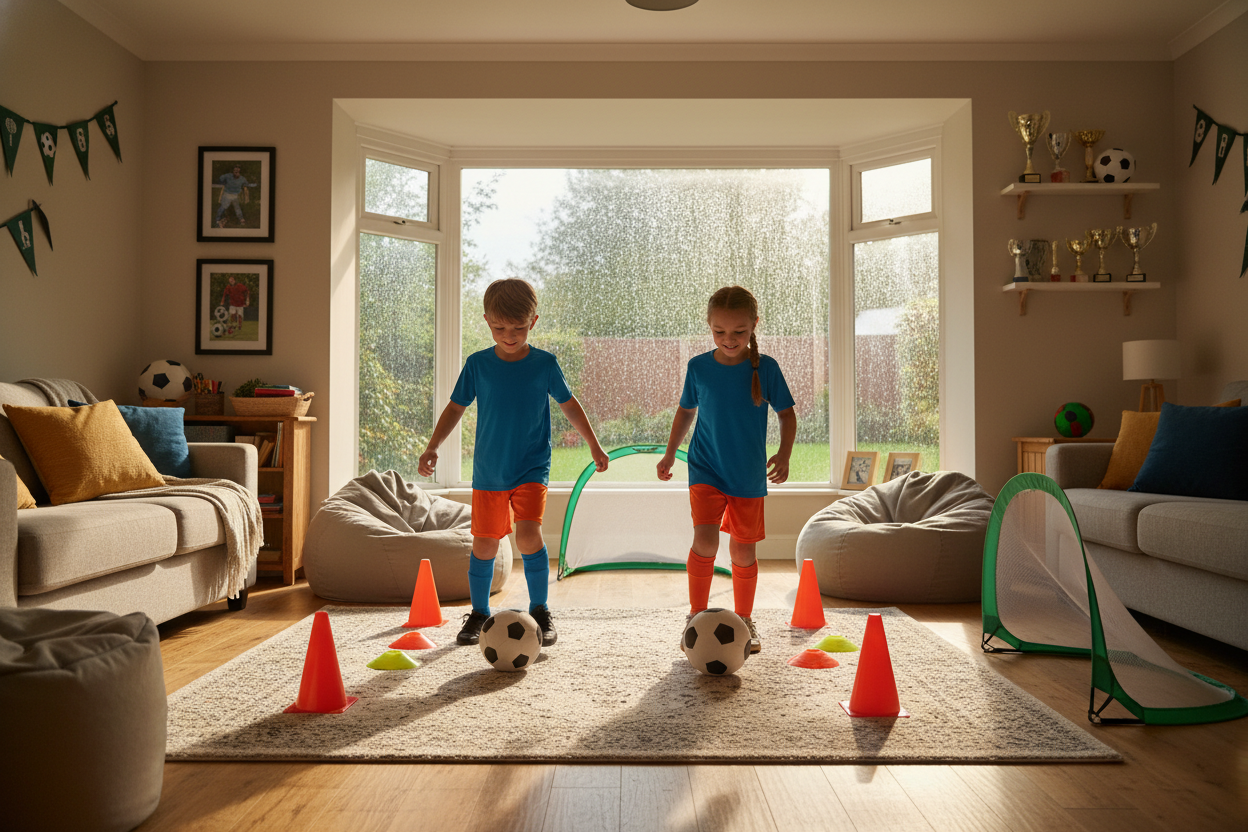
You don’t have to let the clouds ruin your child’s momentum today. I want to show you how safe home soccer workouts for kids rainy days can turn a gloomy afternoon into a huge skill-building session. It’s all about keeping the energy high and the feet moving!
I believe every parent can help their young players develop by trying fun indoor soccer fitness games for right in the living room. You do not need a massive field or fancy gear to see real results. Your enthusiasm is the only tool you truly need to get started.
Did you know that indoor training provides 33% more touches on the ball than outdoor sessions? This extra practice helps these players master their movements much faster. While others wait for the sun, your child builds muscle memory in a comfortable space.
Elite players don’t make excuses when it pours, and simple drills keep them sharp. Mastering the ball at home builds amazing confidence and shows that dedication matters. You are giving them a secret advantage that lasts well beyond the next game!
Key Takeaways
- Rainy weather is a secret opportunity to get ahead of the competition.
- Indoor sessions offer 33% more touches to build muscle memory faster.
- You only need a small space and a ball to see improvement.
- Home practice builds confidence and teaches children valuable dedication.
- Simple drills fit easily into any busy family schedule.
- Elite youth players use indoor time to master skills while others rest.
Why Indoor Soccer Training Keeps Kids Improving
I believe that indoor practice is much more than just a backup plan for bad weather. It is actually a secret weapon for your child to improve quickly.
Indoor soccer training creates an environment where a young player can focus. You are giving your child a head start by staying active inside.
More Ball Touches Build Better Skills
Research shows that indoor sessions give players 33% more ball touches than outdoor practice. This means your child gets more opportunities to build muscle memory.
Every extra touch on the ball helps them develop a specific skill. These small movements create comfort and confidence with a soccer ball.
More touches lead to better control during a real game. Your child will feel more prepared and less pressured on the field.
Training When Others Make Excuses
Training when others make excuses separates good players from great ones. You give your child a big advantage over other players who stay on the couch.
Taking the time to practice at home shows real dedication. This extra effort helps a player stand out during the next soccer game. It is the best way to keep skills sharp all year.
Building Consistency and Discipline
I love how regular sessions teach children valuable life lessons like discipline. Consistency makes a player better and gives them more confidence in their own abilities.
These opportunities for growth make for very happy little athletes. Small, consistent efforts create big improvements that players will notice on the field. I believe that home training builds a foundation for lasting success.
- Repetition: High volume of contact in a short period.
- Control: Better focus on technique without wind or rain.
- Confidence: Mastery of moves in a safe, familiar space.
These drills help sharpen their skills for the next match. Strong players never stop learning, even when it rains!
| Training Factor | Indoor Session | Outdoor Session |
|---|---|---|
| Ball Contacts | 33% More Touches | Standard Touches |
| Focus Level | High (Controlled) | Variable (Weather) |
| Skill Growth | Rapid Development | General Progress |
Warm-Up Exercises to Prevent Injuries
I want to help you understand that proper warm-ups protect your child’s body and prevent injuries like muscle cramps. Football requires kids to keep energy flowing through their muscles to stay safe and active. When you start with the right exercises, you build good habits for your child’s future.
Dynamic Movement Prep
Dynamic movements prepare the muscles for the fast actions of soccer practice. It only takes a few minutes to get the heart pumping and the blood moving. These active steps wake up the brain and the legs at the same time.
Leg Swings and Walking Lunges
Start with 10 leg swings for each leg to loosen the hips. Then, perform 10 walking lunges with a gentle twist to engage the core. These simple steps prepare the legs before your child ever touches the ball.
High Knees and Butt Kicks
Have your young players do high knees for 20 seconds to increase their heart rate. Follow this with butt kicks to warm up the hamstrings properly. This routine helps kids move more fluidly during their drills.
Essential Stretches for Young Bodies
Stretching keeps little players flexible and ready for quick turns on the carpet or grass. I recommend focusing on the legs and ankles to protect the body from sudden strains.
Hip Flexor and Hamstring Stretches
A deep hip flexor stretch for 30 seconds on each side opens up the hips. Follow this with a slow hamstring reach to keep the back of the legs loose. These moves provide the coordination needed for better balance and control.
Ankle Circles and Calf Stretches
Have your child do 10 ankle circles in each direction to keep their feet flexible. Then, perform a calf stretch against a wall for 30 seconds on each leg. This protects the lower legs during intense indoor training.
Making Warm-Ups Fun with Animal Movements
You can turn these movements into a fun game to keep the energy high! Use frog jumps and bear crawls to help children move with both hands and feet on the floor.
These animal exercises build upper strength while making everyone laugh with funny sounds. You can even place a ball as a target they must reach during their crawl!
| Activity | Time/Reps | Main Benefit |
|---|---|---|
| High Knees | 20 Seconds | Heart Health |
| Leg Swings | 10 Each Leg | Hip Flexibility |
| Bear Crawls | 30 Seconds | Core Strength |
Ball Control and Footwork Drills
Transform your living room into a training ground where your player can sharpen their feet. You do not need a massive field to help your child develop amazing skills. These indoor activities focus on getting many touches in a very small space.
I want to show you how consistent practice at home builds massive confidence. By using simple items like a rug or a line on the floor, we can create a perfect workout. Let’s look at the movements that will help your child master the soccer ball.
Foundation Touches Every Kid Should Master
I believe that mastering the basics is the best way to help a young player grow. These foundation touches help your child feel comfortable and relaxed during a game. You will see their footwork improve quickly with just a few minutes of daily work.
Sole Rolls and Toe Taps
Sole rolls teach your child to use the bottom of their foot to move the ball. Have them roll it back and forth smoothly for 30 seconds with each leg. This drill helps them feel the ball without looking down constantly.
I also want you to encourage toe taps during your session. Your child should alternate feet while lightly tapping the top of the ball. Start very slow and gradually build speed to challenge their rhythm and toe coordination.
Inside-Outside Touches
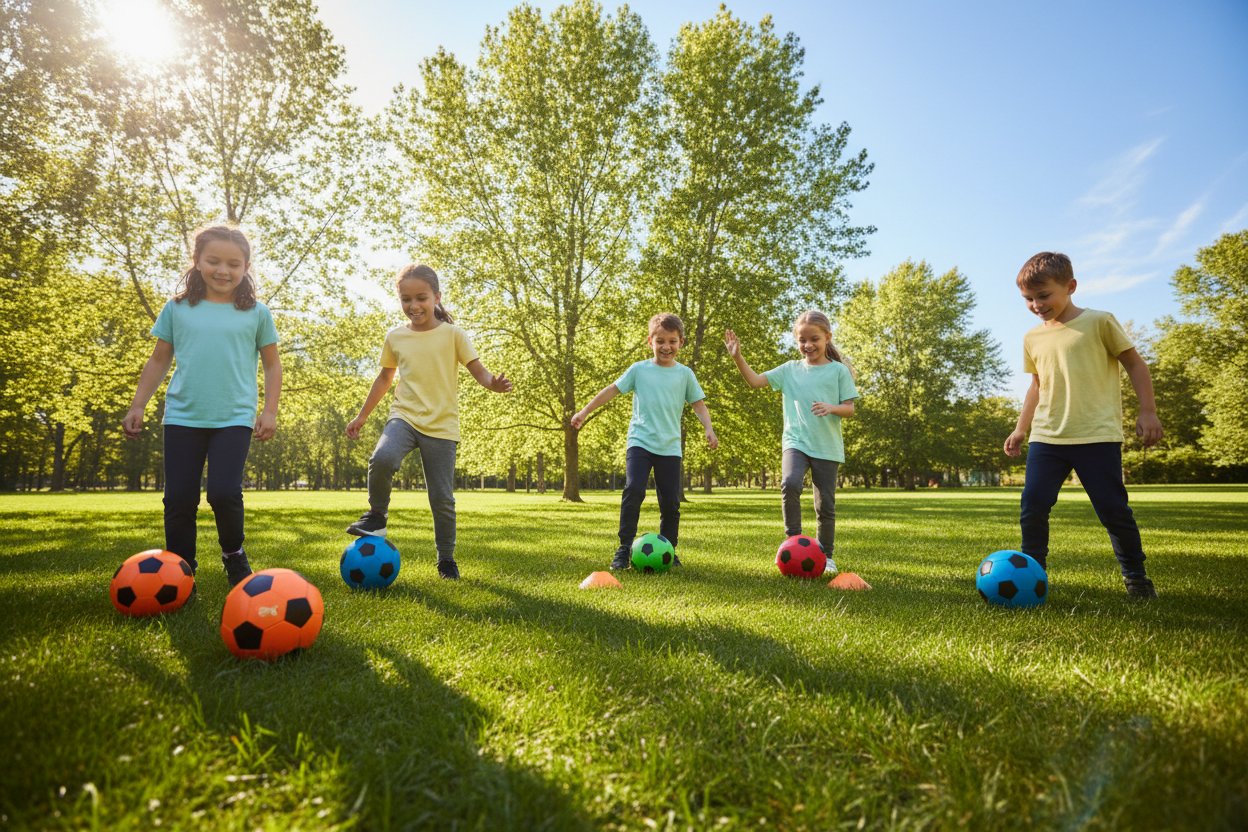
These movements help your child use both sides of their foot effectively. They should touch the ball with the inside and then the outside of the same foot. This specific movement develops the versatile control they need to dribble around opponents.
Pull-Backs and Stop-and-Go
A pull-back is a great way for a young player to change direction. Your child uses their toe and sole to pull the ball back before turning away. Repeat this for 20 reps to help them learn how to escape pressure on the field.
Advanced Ball Mastery Moves
Once your child feels like a pro with the basics, they can try these harder drills. These moves challenge their balance and help them think faster. It is a fun way to keep them engaged when they stay indoors.
Figure 8s Through the Legs
Have your child weave the ball through their legs in a figure-8 pattern. This drill lasts for one minute and focuses on very tight control. It is perfect for keeping the ball moving when there is not much space to run.
V-Pulls and Scissors
V-pulls involve pulling the ball back and pushing it out at a diagonal angle. For scissors, the child steps over the ball to fake a move in one direction. These drills build the agility and footwork required for creative soccer play.
Wall Practice for Solo Training
You can use any sturdy wall in your home for solo skills training. Your child kicks the ball against the wall and works on receiving it cleanly. This helps them sharpen their focus and anticipate how the ball will move or spin.
| Drill Name | Repetitions | Main Goal |
|---|---|---|
| Sole Rolls | 30 Seconds | Bottom Surface Feel |
| Toe Taps | 1 Minute | Speed and Rhythm |
| Pull-Backs | 20 Reps | Changing Direction |
Safe Home Soccer Workouts for Kids Rainy Days: Complete Training Sessions
I love setting up simple training routines that parents and children can enjoy together right in the living room. Participation matters much more than perfection in every session. I believe that even ten minutes a day makes a huge difference in how your little one retains their athletic ability.
Staying active indoors helps your child burn energy when they cannot go outside to play. These routines give your family a clear structure while keeping the atmosphere light and fun. You do not need a massive field to help your little athlete grow and improve.
15-Minute Express Session for Busy Days
I have designed a 15-minute express session to help you save time on your busiest days. It is the perfect training for families who want to keep kids moving without a long commitment. This quick routine focuses on the essentials to keep feet moving and hearts pumping.
Quick Warm-Up Circuit
The warm-up circuit takes three minutes to complete and prepares the body for movement. Start with 20 jumping jacks and 10 leg swings on each side to loosen the muscles. Finish with 10 walking lunges, 10 high knees, and 10 butt kicks to get the ball rolling.
Ball Mastery Focus
The ball mastery portion takes six minutes and builds amazing coordination. Spend 45 seconds on sole rolls with each foot and one minute on toe taps. These drills improve how players handle the ball in tight spaces using figure 8s and V-pulls.
Fast Cool-Down
End with a fast cool-down for two minutes to help the body recover properly. Use a standing quad stretch for 30 seconds on each leg and follow with a hamstring stretch. This keeps young players flexible and ready for their next big game.
30-Minute Full Workout Structure
A 30-minute full workout offers more sessions for growth throughout the week. You can manage your time by doubling the repetitions of your favorite drills. This structure keeps the game exciting and prevents boredom for all players.
Complete Session Breakdown
A full workout includes longer periods for specific movements and extra water breaks. I recommend adding a “challenge round” where they try to beat their previous score. This creates a healthy sense of competition and keeps the players motivated to work harder.
Time Management for Each Section
Keep your stopwatch handy to ensure the workout moves at a steady pace. Shorter bursts of high intensity are better for young athletes than long, slow tasks. Transitioning quickly between activities keeps their focus sharp and their minds engaged on the task.
Modifications for Different Age Groups
Different age levels need different plans to stay happy and interested. For a younger age group, focus on a playful game rather than strict technical rules. Toddlers enjoy simple balance tasks like keeping the ball still for five seconds.
Ages 2-5: Playful Approach
For toddlers, start with balance games like rolling the sphere or hopping over it safely. I suggest making it a story where they are explorers navigating a jungle with their feet. This keeps the group laughing while they learn the basics of physical coordination.
Ages 6-10: Skill Development Focus
For the 6-10 age group, focus on specific skill development and technique. This training helps the child prepare for real match scenarios they will face on the field. Even when it is rainy, these sessions keep kids happy and building their talent for the game.
Staying active for just a few seconds at a time helps energetic kids stay calm indoors. I want you to remember that every small effort counts toward their long-term success!
| Phase | Duration | Core Activity |
|---|---|---|
| Warm-Up | 3 Minutes | Dynamic Movements & Stretches |
| Ball Mastery | 6 Minutes | Sole Rolls, Taps & V-Pulls |
| Cool Down | 2 Minutes | Static Stretches & Breathing |
| Skill Focus | 4 Minutes | Age-Appropriate Footwork |
Agility and Coordination Activities
I’m excited to show you how everyday objects can help your child become a faster, more balanced player. Agility allows a young athlete to react quickly during a game. I find that these simple activities make home training feel like a fun adventure without needing a large space.
Quick Feet Exercises with Household Items
You can set up a small course with whatever you have lying around. Use water bottles, shoes, or towels as markers for your agility drills. These items are perfect for improving how your child moves their feet in tight areas.
Obstacle Course Dribbling
Set up five or six objects in a straight line. Have your child weave through them while keeping the ball close to their foot. This helps young ones develop better coordination as they move toward a target.
Cone Drills Using Everyday Objects
Arrange plastic cups or rolled-up socks in a zigzag pattern. Your child should move the ball through the path with high speed. This teaches a player how to change direction while staying in a specific target area.
Core Strength Exercises for Soccer Players
A strong core is the secret to a powerful soccer player. It helps them stay upright when shielding the ball from opponents. You can do these exercises in small spaces around the house.
Planks and Side Planks
Ask your child to hold a plank for thirty seconds to build stability. Repeat this three times to strengthen their midsection. Side planks also help every player maintain better balance during a game.
Single-Leg Bridges and Squats
Single-leg bridges and squats are fantastic for building leg power. Do three sets of twelve for bridges and fifteen for squats. These moves help a strong player stay steady on the field.
Balance Games and Body Awareness
Balance is essential for a great soccer performance. These games help children develop better awareness of their own body. I love these drills because they feel more like play than hard work.
Bear Crawls and Frog Jumps
Bear crawls and frog jumps are excellent for upper body strength. They also challenge the core muscles in a fun way. These activities keep the session playful for the little ones.
Jump and Turn Drills
Have your child jump up and land softly on both feet. Ask them to turn toward a new direction each time they land. This improves their spatial awareness and overall speed for a better game.
| Activity Type | Household Item | Main Benefit |
|---|---|---|
| Dribbling | Water Bottles | Ball Control |
| Zigzag Runs | Plastic Cups | Quick Turns |
| Strength | Floor Space | Core Power |
I believe these simple moves will give your child the confidence to move with grace and power. You do not need a gym when you have the right tools in your living room. Your child only needs a small space and a ball to get started!
Cool-Down and Stretching Routine
I always tell my young athletes that the way you end your session is just as important as how you start. Finishing your indoor training time with a proper routine helps your child recover faster and prevents sore muscles.
Static Stretches for Recovery
After chasing the ball, young players need to release tension in their legs. These slow movements help every player stay flexible and ready for the next practice. Stretching should always feel gentle and never painful.
Quad Pull and Hamstring Reach
Have your athlete stand on one leg and pull their opposite heel toward their glutes. Hold this quad pull for 30 to 45 seconds to ensure the muscle relaxes completely. Next, have them sit on the floor and reach for their toes to stretch the back of their legs.
Butterfly Stretch for Groin
The butterfly stretch is a great method to open the hips after intense ball work. Ask them to sit with the soles of their feet together and press their knees down slightly. Hold this position for another 45 seconds to complete the leg circuit.
Deep Breathing and Relaxation
I love adding a few minutes of calm at the very end of our session. Have your players lie on their backs and take slow, deep breaths for two minutes. This simple activity teaches them to calm their minds after high-energy games.
| Activity | Focus Area | Duration |
|---|---|---|
| Quad Pull | Front of Thigh | 45 seconds |
| Butterfly Stretch | Inner Thigh | 45 seconds |
| Deep Breathing | Body & Mind | 2 minutes |
Creating a Weekly Challenge Sheet
I am excited to share a fun method to keep kids motivated throughout the week. You can create a simple chart with seven boxes to track their practice progress. This turns daily drills into games that they want to win!
Tracking Progress with Stickers
Every day they touch the ball or work on a skill, they get to place a sticker in a box. Kids love seeing their hard work turn into a colorful goal on the wall. It makes the effort feel real and rewarding.
Celebrating Small Wins
Setting a weekly goal makes the player feel successful even if they are still learning a skill. When they reach their goal, celebrate with a fun family match or a special treat. I believe that every player deserves praise, and cheering for players builds huge confidence!
Conclusion
Rainy day soccer training sessions are not punishments. I believe they are incredible opportunities for your kids. While other players wait for clear skies, your child can build vital skills like ball control and body awareness.
You do not need a massive pitch or expensive gear to succeed at home. A small space and a ball are all it takes to keep the energy high. These drills help every player improve their foot speed and direction in any group or age range. I love seeing young ones stay active and keep their love for the game growing every day.
Start with one short practice session today. Even sixty seconds of focused movements can make a big difference over time. You are teaching your children that discipline helps them reach a long-term goal. I encourage you to turn every rainy day into a fun way to find a target. Your little player will be ready when they step back on the line!