
Soccer Jump Training Basics for Kids
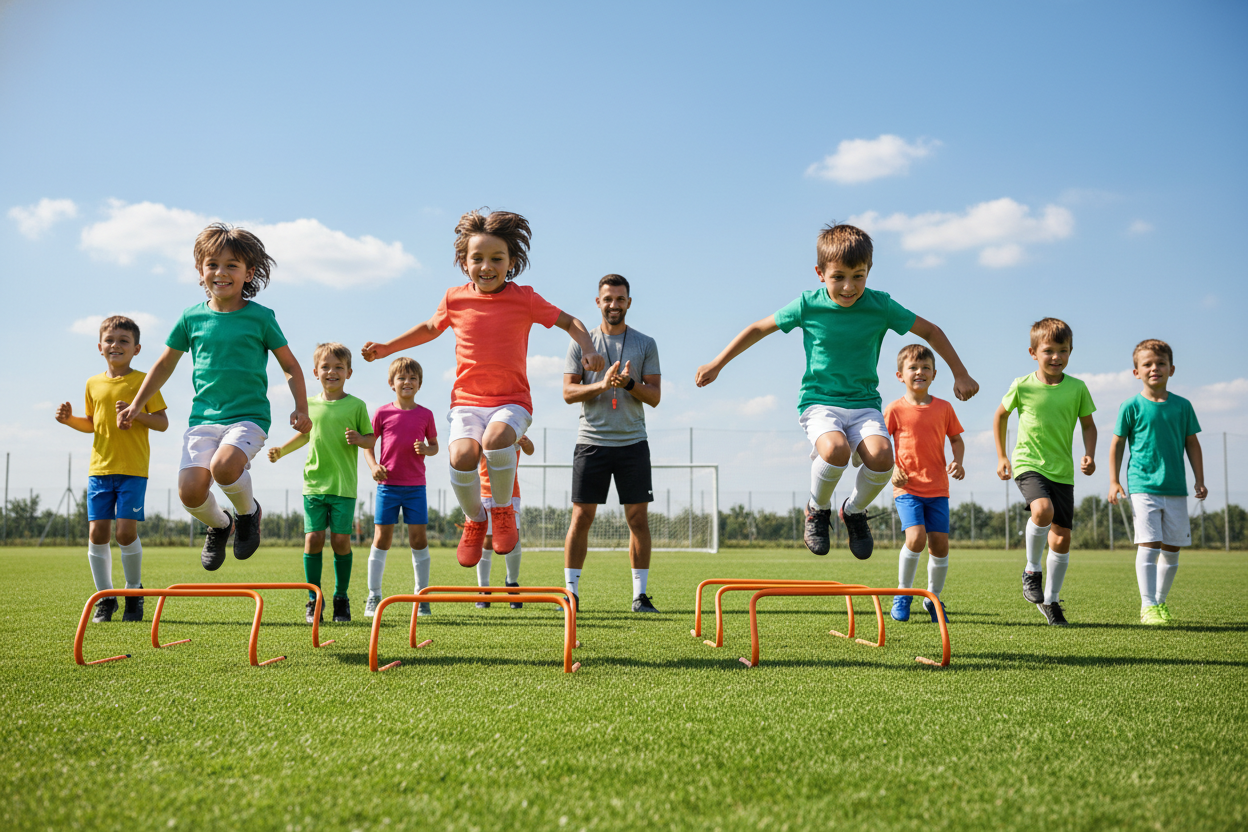
Mastering soccer jump training basics for kids helps young athletes gain the power they need to reach every ball. Watching your athlete fly across the grass is a wonderful joy to any parent!
I created this resource to support coaches who want to see their young ones succeed with balance. These movements help players handle the physical demands of the game with great ease and confidence.
This guide highlights five essential exercises that form a solid foundation to all young athletes. You do not need any fancy equipment to start these movements in your own backyard or local park today.
I focus on making every practice session fun and steady to ensure safety to everyone involved. This step-by-step path helps young players grow without feeling any unnecessary pressure or stress during their development.
Proper form is vital to those who love the game and want to improve their skills. These simple drills give your players the tools they need to shine during every match they play.
I am excited to share these secrets to help your child become faster and stronger on the pitch. Let’s work together to make sure your players enjoy the journey of learning and growing as athletes!
Key Takeaways
- Develop essential leg strength and field confidence.
- Master five foundational movements to assist young athletes.
- Start practicing immediately without any expensive gear.
- Focus on safety through simple, guided steps.
- Create a fun, pressure-free learning environment.
- Build proper form to help children excel in sports.
Why Jump Training Helps Young Soccer Players
I have found that simple jump exercises are the secret to helping young players feel strong and fast on the field. Soccer provides many opportunities for children to enjoy fitness and build meaningful friendships. It gives them a chance to improve their coordination and how they move in space.
When kids practice jumping, they build the leg power needed to strike the ball with a lot of force. This special training develops explosive power for those quick bursts of speed during a match. I want to show you how these movements transform their basic skills.
Stronger legs help young players run much faster and reach higher for the ball. Building these jumping skills also helps kids gain better control over their body while they are moving. It is amazing how much more accurately they can kick the ball when their legs are strong, and well-trained!
Jump exercises build the foundation for many soccer movements like sprinting and winning headers. These drills help players grow the muscles they need to play with more confidence. I also love that regular practice helps keep them safe by lowering the risk of injury.
Here are some big benefits your child will see:
- Better agility and quicker turns during a fast game.
- More power when young players need to jump or sprint.
- Improved focus on how they land and move safely.
| Growth Area | Game Impact | Key Advantage |
|---|---|---|
| Leg Power | Faster Running | Better Sprinting |
| Balance | Solid Footing | Easier Dribbling |
| Jump Height | Winning Headers | Air Control |
Even small steps in your routine make a big difference in how your child plays soccer. I promise that these simple exercises will help them feel like a powerful athlete every time they step onto the grass!
Key Benefits of Jump Training for Soccer Skills
I love watching kids discover how much faster they can move after just a few weeks of jump practice. These exercises do much more than just help them jump high. They build the foundation for a strong, confident athlete who feels ready for anything.
Winning Headers and Aerial Battles
Jumping helps kids reach the ball first when it is high in the air. This skill is vital for clearing the ball from the box or scoring goals. Strong legs allow young players to lift off the ground with ease during a game.
I always tell my students that vertical power gives them a huge advantage. When they feel powerful, they are more likely to challenge for the ball. This confidence helps them win more aerial battles against their opponents.
Improved Body Control and Balance
Good balance prevents falls when the game gets fast and crowded. Jump training teaches the body how to stay upright during tricky movements. It creates a stable base for every child on the pitch.
By practicing soft landings, children learn to control their weight perfectly. This makes them much steadier when they are dribbling around other kids. I have seen how this control keeps them safe and helps them avoid common trips.
Enhanced Speed and Agility on the Field
The speed at which a child can change direction is a game-changer in soccer. Quick footwork allows them to navigate through tight defenses and create space. Plyometric drills build the explosive power necessary for sudden bursts of speed.
These exercises also improve agility so young athletes can dodge opponents easily. Stronger legs help kids accelerate much faster when they are chasing a ball across the field. This quickness helps them beat defenders to reach the goal.
I have noticed that young players who train their legs consistently become much more athletic. They move with more energy and react faster to the ball. Regular practice truly makes every soccer movement feel lighter and more natural!
| Soccer Skill | Training Benefit | Game Result |
|---|---|---|
| Heading | Higher Vertical Leap | Wins Aerial Balls |
| Dribbling | Better Balance | Stays on Feet |
| Sprinting | Explosive Power | Faster Acceleration |
| Turning | Lateral Strength | Quick Direction Changes |
Safety Guidelines Before Starting Jump Training
I want to make sure your young athlete stays healthy while they learn to jump higher. Safety is my top priority when I help families start new soccer routines. I want to make sure your child stays happy and avoids injuries during every practice session.
Age-Appropriate Training Basics
Every young athlete grows at a different speed. The rate of mastery for these skills varies widely among young players. I have found that size or weight does not always tell us if a kid is ready for hard drills.
Motor movement develops in a long-term growth process. Kids move from big gross motor skills to smaller fine motor skills as they get older. We must be patient and let them grow at their own pace!
Choosing the Right Training Surface
Where you practice matters just as much as how you practice. Hard surfaces can hurt a growing body over time. I always suggest looking for soft, level ground to protect those young knees and ankles.
| Surface Type | Safety Level | Impact Level |
|---|---|---|
| Natural Grass | High | Very Low |
| Gym Mats | High | Low |
| Indoor Turf | Medium | Low |
| Concrete | Very Low | Very High |
Recognizing Physical Limits
I always watch for signs that a kid is getting too tired. You might notice sloppy form or hear them complain of pain. Rest is just as important as the jumping itself for young bodies that are still growing.
- Watch for signs of fatigue like heavy feet or slow movements.
- Distinguish between healthy muscle tiredness and sharp joint pain.
- Stop the exercise immediately if your kid feels any sudden stings.
- Keep training sessions short to maintain high energy and focus.
Listening to what your kid tells you is the best way to prevent injuries. This keeps training enjoyable for the long term! We want them to love the game for years to come.
Quick Warm-Up Routine for Jump Training
Before your little athletes start leaping, we need to wake up their muscles with easy movements. Improving quickness, balance, and coordination is essential for young soccer players to move around opponents effectively. I always teach basic running mechanics as part of our movement education to keep things safe and fun!
A good warm-up helps children transition from standing still to high-energy jumping. This phase builds a strong foundation for every other exercise we do on the field. You will see their confidence grow as they get their bodies ready for action.
Dynamic Stretches to Prepare Muscles
I love to start every session with light jogging and skipping to get the heart pumping. These simple activities prepare kids for the more intense jumping that comes later in the practice. It is a wonderful way to make sure everyone feels loose and full of energy!
Dynamic stretches help the muscles stretch while they are moving. This method is much better for young bodies than standing still. I find that skipping especially helps with rhythm, which is a big part of being a great athlete.
Light Movement and Footwork Drills
I enjoy using simple footwork drills like high knees and butt kicks during our warm-up. These specific movements activate the legs and improve overall coordination quickly. They also build the agility that kids need to shine during an actual soccer game!
Starting with an easy movement drill makes the jump exercises feel smooth and natural. Developing excellent footwork helps a child control their body when they land and take off. You will notice they become much more balanced after just a few sessions.
| Warm-Up Activity | Duration | Main Benefit |
|---|---|---|
| Light Jogging | 2 Minutes | Increases Heart Rate |
| Skipping | 1 Minute | Improves Coordination |
| High Knees | 30 Seconds | Activates Leg Muscles |
Always remember to watch where your foot lands during these light movements. I encourage every child to stay light on their toes for the best results. A happy, warmed-up player is a safe and successful player!
Soccer Jump Training Basics for Kids: Five Essential Exercises
I want to share five essential jumping movements that will help your young athlete feel like a pro. These jumping exercises are simple to learn and very fun to do. You do not need a lot of space or expensive gear to get started today. Each move targets the specific muscles your child uses during a big match.
I love watching kids realize how much power they truly have in their legs. These drills help them jump higher for headers and run faster during a breakaway. We will focus on safety and good form every step of the way. Let’s look at the best ways to build that explosive energy together!
Exercise 1: Box Jumps for Explosive Power
Box jumps are a classic way to build power in the lower body. They teach kids how to explode upward from a stationary position. This movement mimics the sudden burst of speed a player needs to beat a defender. I find that kids enjoy the challenge of reaching a new height on a solid platform.
How to Perform Box Jumps
First, have your child stand with their feet shoulder-width apart in front of a sturdy box. They should bend their knees slightly and swing their arms back. I always tell them to “load their springs” before they take off. They should jump with both feet and land softly on top of the box.
The landing is the most important part of this move. They should land with their knees slightly bent to absorb the shock. I encourage them to stand up straight once they are safely on the box. Then, they can step back down one foot at a time to keep things safe for their soccer training.
Starting Height and Progression Tips
I suggest starting with a very low box, perhaps only six inches high. You can even use a sturdy curb or a bottom step of a staircase. Once they feel confident, you can slowly increase the height of the platform. Always make sure the surface is not slippery to avoid any accidents.
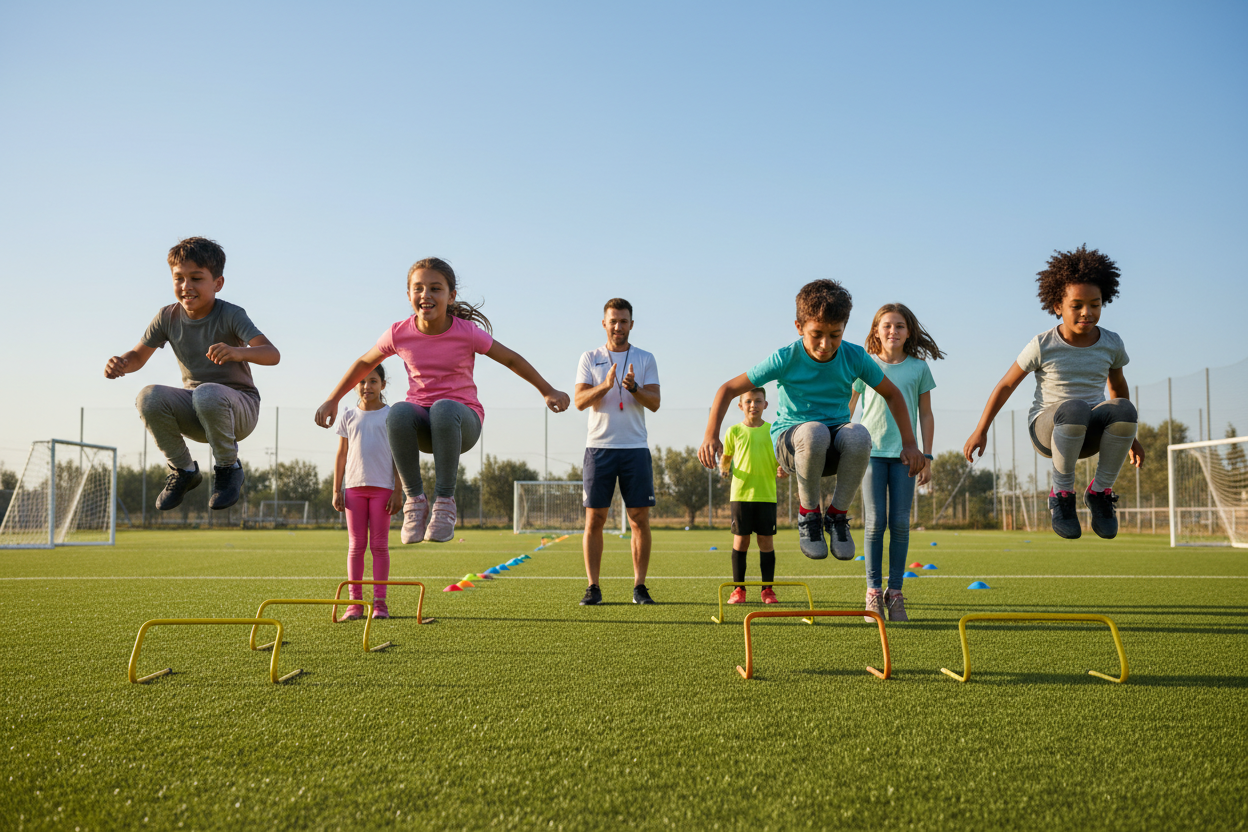
Exercise 2: Squat Jumps for Strong Legs
Squat jumps are excellent because they require no equipment at all. They help build the big muscles in the thighs and glutes. These muscles are the engine of every soccer player on the field. I like this exercise because you can do it anywhere, from the backyard to the park.
Step-by-Step Squat Jump Form
Your child should start in a regular squat position with their back straight. They should lower their hips as if they are sitting in an invisible chair. I tell them to keep their chest up so they can see the play ahead. Then, they must push through their heels and jump as high as they can.
While in the air, they should reach for the sky with their hands. As they come back down, they should go right back into the squat position. This flow helps them learn how to handle their body weight. It also builds the stamina they need for the second half of a game.
Sets and Repetitions for Kids
For beginners, I recommend doing two sets of five jumps. Give them a nice long break between sets so they don’t get too tired. As they get stronger, you can move up to three sets of ten jumps. Quality is always more important than quantity when we are working with young athletes.
Exercise 3: Single-Leg Hops for Better Balance
Single-leg hops focus on balance and ankle strength. Soccer players spend a lot of time on one foot while they are running or kicking. I use this drill to help kids feel more stable when they are moving at high speeds. It is a great way to prevent small trips and falls during a game.
Proper Single-Leg Hopping Technique
Have your child stand on their right leg and lift their left foot off the ground. They should hop forward a short distance and land on that same right foot. I remind them to keep their landing “quiet” and soft. They should hold their balance for a second before they hop again.
It is helpful to use their arms for balance during the movement. If they feel wobbly, I suggest they focus their eyes on a spot on the ground ahead of them. After a few hops, have them switch to the other leg. This ensures that both sides of their body grow strong and capable.
Building Distance and Height Gradually
In the beginning, the hops should be very small. You can use a line on the grass or a piece of tape as a marker. As they get better, they can try to hop further or even over small obstacles. I love seeing the look of pride on a child’s face when they clear a hurdle for the first time.
Exercise 4: Tuck Jumps for Core Strength
Tuck jumps are a bit more challenging but very rewarding. They require the athlete to pull their knees up high toward their chest. This movement builds a strong core and improves overall body control. I consider this a “power move” for any kid who wants to dominate in the air.
Correct Tuck Jump Positioning
Your child should stand tall with their feet hip-width apart. They jump straight up and try to bring their knees to their waist. I tell them to imagine they are jumping over a big puddle. Their hands can tap their knees at the top of the jump to confirm they reached high enough.
They must land with soft knees and a flat foot. It is important not to let the back round too much during the tuck. I always stay close by to offer words of encouragement. A strong core helps them stay upright when they are striking ball with power.
How Many Jumps Per Training Session
Tuck jumps are tiring, so we keep the numbers low. I suggest doing three to five jumps in a row, then taking a break. You can include these in a circuit with other movements. This keeps the heart rate up and makes the training feel like a fun game rather than hard work.
Exercise 5: Lateral Jumps for Quick Direction Changes
Lateral jumps are perfect for building side-to-side agility. In a real match, players rarely just run in a straight line. They must dodge opponents and find open space. I use these jumps to sharpen their skills and prepare them for quick transitions.
Setting Up Your Lateral Jump Drill
Place a small marker or a ball on the ground. Your child will jump sideways over the object and land on the other side. They should immediately jump back to the starting side. This back-and-forth motion builds the muscles used for cutting and pivoting on the grass.
I find that players dribble much better when they have strong lateral power. It allows them to push off one foot to change lanes quickly. You can make this harder by increasing the speed of the jumps. Always watch to make sure they are clearing the object completely every time.
Adding the Soccer Ball for Skills Practice
Adding the ball makes these exercises much more exciting! I often advance this drill by having kids dribble ball between their lateral jumps. They can jump sideways, land, and then tap the ball with their foot before jumping again. This combination builds the real ability to control the move while going side to side.
I point out that kids can practice to dribble ball while doing lateral movements, just like in games. This helps them keep the ball close to their feet even when they are moving fast. After a few jumps, they can finish by taking a shot toward a goal post. This shooting practice is great for composure.
When players dribble toward the post, they learn to keep the ball close under pressure. Taking an accurate shot after a series of jumps mimics the end of a long run. I encourage striking ball with the laces for maximum power. This makes the whole routine feel like a real scoring opportunity!
| Exercise Name | Main Benefit | Recommended Reps |
|---|---|---|
| Box Jumps | Explosive Power | 5 – 8 Jumps |
| Squat Jumps | Leg Strength | 10 Jumps |
| Single-Leg Hops | Balance & Stability | 6 Per Leg |
| Tuck Jumps | Core Strength | 5 Jumps |
| Lateral Jumps | Side-to-Side Agility | 10 Jumps |
Mastering Proper Landing Techniques
I always tell my students that the way you finish a jump matters even more than the height you reach. Jumping is an exciting skill for young players to learn, but we must ensure they stay safe. When the body returns to the ground, it absorbs a lot of force that can impact growth. Teaching these good habits early will keep them playing for years to come!
Soft Landing Basics
To ensure a soft landing, your child should focus on a specific foot sequence. As they come down, the ball of the foot should touch the ground first. Then, the arch follows, and finally the heel makes contact. This smooth motion acts like a shock absorber for the entire leg.
I suggest that the child should hold their legs in a lunge position for certain landings to maintain balance. You should also make sure the knees bend a little upon impact to soak up the energy. If a child lands with straight legs, the force goes into the joints instead of the muscles. I want them to land as quietly as a cat would!
Protecting Knees and Ankles
Keeping the knees and ankles safe is my top priority during these training sessions. I always watch to see if the knees track directly over the toes. They should never cave inward or bow outward during a landing. Proper form prevents the common stresses that lead to unwanted soreness or long-term injury.
| Landing Feature | Good Technique | Warning Sign |
|---|---|---|
| Sound | Quiet and soft | Loud and heavy thud |
| Leg Shape | Knees bent well | Locked straight legs |
| Foot Contact | Ball of foot first | Flat-footed landing |
| Knee Position | Aligned over toes | Caving inward |
Young players should listen to their bodies very closely during practice. If you hear them complain of knees hurting or ankles feeling tight, it is time to check their form. Teaching these mechanics now prevents injuries that could keep kids off the field later in their careers.
Cool-Down and Recovery for Young Athletes
I believe that how a child finishes a workout is the secret to staying healthy and happy. Jumping creates a lot of energy and tension in small leg muscles. A proper cool-down helps young athletes move from high intensity to a relaxed state safely. It is a special time to thank the body for all the hard work it just did.
Static Stretching After Training
Once the final jumping drill is finished, it is time to focus on slow movements. Unlike the fast moves we use to warm up, static stretches involve holding a position. Hold each stretch for about twenty seconds without any bouncing. This simple technique helps the muscles stay long and flexible for the next game.
I find that focusing on the calves and quads helps players avoid feeling stiff the next morning. You can lead these stretches while talking about the best parts of the session. It creates a peaceful environment to end a busy afternoon of activity. This habit also teaches children how to listen to their own bodies.
Rest Days and Recovery Time
Young bodies need rest days to rebuild their muscles even stronger than before. I recommend training only two or three times per week for the best results. This balanced schedule prevents overuse injuries and keeps the drills feeling fresh and exciting for everyone. If we do too much too fast, the fun can quickly disappear!
Your child can still play with a soccer ball or enjoy other light activities on these off days. I often tell parents that the body actually grows stronger during recovery, not while doing the workout itself. Giving them time to breathe ensures they stay enthusiastic about their sports journey. A happy athlete is a healthy athlete who wants to keep playing!
Proper recovery routines ensure that kids stay energized and ready for their next big match!
| Activity Type | Main Purpose | Weekly Frequency |
|---|---|---|
| Jump Training | Builds leg power | 2-3 Times |
| Full Rest | Muscle repair | 2-3 Times |
| Active Play | Maintains agility | Daily habit |
Building a Weekly Jump Training Schedule
I want to help you create a simple schedule that fits into your busy family life. A steady routine helps kids stay focused and see real growth over time. When we follow a clear plan, the weekly training feels like a normal and exciting part of the day!
How Many Days Per Week
I recommend starting with two jump sessions every week for the best results. Young bodies need plenty of time to rest and grow stronger after these big movements. You should always give your child at least one full day off between jumping workouts to keep their legs fresh.
Consistent rest prevents tired muscles and keeps the movement fun for everyone involved. If kids work too hard without a break, they might get bored or feel worn out. Two days of focused effort per week is the perfect balance for beginners and busy families.
Combining Jump Training with Soccer Practice
You can easily fit these jumps around your regular team soccer drills. If your child has team practice on Tuesdays and Thursdays, try doing your jumping on Mondays or Wednesdays. This way, they stay energetic for their coached sessions and game days.
I love adding fun soccer drills to the end of a jump session to keep spirits high. It helps kids connect their new explosive power directly to the game they love to play. You can even mix jump training with other soccer drills like dribbling or light passing to keep the energy moving!
I suggest using fun soccer drills that focus on agility right after the jumping exercises. This teaches the body how to use that extra spring in a real-game situation. Keep the sessions short and light so they leave the field feeling successful and happy.
Sample Weekly Training Plan
Flexibility is key for active families, so feel free to shift these days around. You can adjust the days based on your child’s team schedule or other school activities. Here is a sample schedule to help you visualize a balanced week of movement:
| Day | Activity | Training Focus |
|---|---|---|
| Monday | Jump Training | Explosive Power |
| Tuesday | Rest Day | Full Recovery |
| Wednesday | Soccer Practice | Team Skills |
| Thursday | Rest Day | Full Recovery |
| Friday | Jump Training | Balance & Stability |
Following a consistent schedule like this helps kids see steady improvement in their vertical leap. It builds confidence and makes the whole process much easier for you to manage as a parent. Remember, as long as you avoid back-to-back jumping days, your child will stay safe and strong!
Tracking Progress and Keeping Kids Motivated
I love seeing the spark in a child’s eyes when they realize they can jump higher than last week! Helping players stay excited about their routine is the best way to ensure long-term success.
I believe that tracking growth should be a celebration of effort rather than a strict test. When we focus on the journey, children stay curious and eager to learn more about their own potential.
Measuring Jump Height Improvements
You can easily track progress by marking a wall with colorful tape or using a simple measuring stick. Have your child stand sideways and reach as high as they can to set a baseline.
Then, let them jump and touch the wall to see how much higher they go. I recommend recording these numbers in a special notebook so they can look back on their hard work!
Setting Achievable Goals
I suggest setting small, reachable milestones so the kids feel a sense of victory every week. Maybe the goal this week is a softer landing, or next week it is adding one inch to a leap.
These small wins help build essential soccer skills and boost confidence on the field. Consistent encouragement is the most powerful tool a mentor can use to keep progress steady.
Making Training Fun and Engaging
The secret to teaching is creating a fun learning environment where growth happens naturally. Engaging drills like jump contests or obstacle courses prevent boredom and keep the energy high.
I find that children improve their soccer skills faster when the training feels like a game. When they pick up new skills through fun, they stay motivated and look forward to every session!
| Game Idea | How to Play |
|---|---|
| Rocket Ship | Jump as high as possible to reach the stars. |
| Frog Hops | Race across the grass using only deep jumps. |
| Jump Tag | Avoid being tagged by jumping into safety zones. |
Adding music or partner challenges can also make a huge difference in their attitude. When exercise feels like play, children develop a lifelong love for sports and physical activity.
Conclusion
Every great athlete starts with a single step, and for young players, that step is often a jump. I believe these soccer jump training basics for kids build the perfect foundation for success on the field.
These five essential exercises develop the strength and balance your child needs to excel. By focusing on simple soccer skills, young players gain the speed and confidence required to chase the ball effectively.
I always emphasize that safety always comes first during every training session. Use proper warm-ups and ensure players get enough rest to keep their bodies healthy and strong between sessions.
Most importantly, I want you to keep the drills light and fun so your team stays motivated. These drills allow your athlete to handle the ball with more control and precision during the game.
Celebrate every bit of progress your young players achieve along the way. You will soon see these soccer skills carry over into better performance during actual soccer games.
Consistent practice helps them move faster and control the ball with more ease. This regular effort ensures they feel ready when the ball comes their way in a competitive match.
I am confident that with patience, you will see your kids grow into stronger players. Your supportive approach helps them understand the value of the team and hard work.
Thank you for investing time in your kids‘ development and the skills they learn. I encourage you to start today with just one movement and watch their love for soccer grow.
Every small movement helps them master new drills and enjoy the game more. I know your athlete will find success with these skills and a focus on soccer.
| Training Focus | Key Benefit for the Player |
|---|---|
| Explosive Power | Helps players win headers and reach the ball faster. |
| Body Control | Improves balance and prevents injuries during games. |
| Safe Landings | Protects growing joints and builds long-term health. |
| Consistent Practice | Boosts confidence and overall performance on the field. |