
How Toddlers Develop Balance for Soccer Step by Step
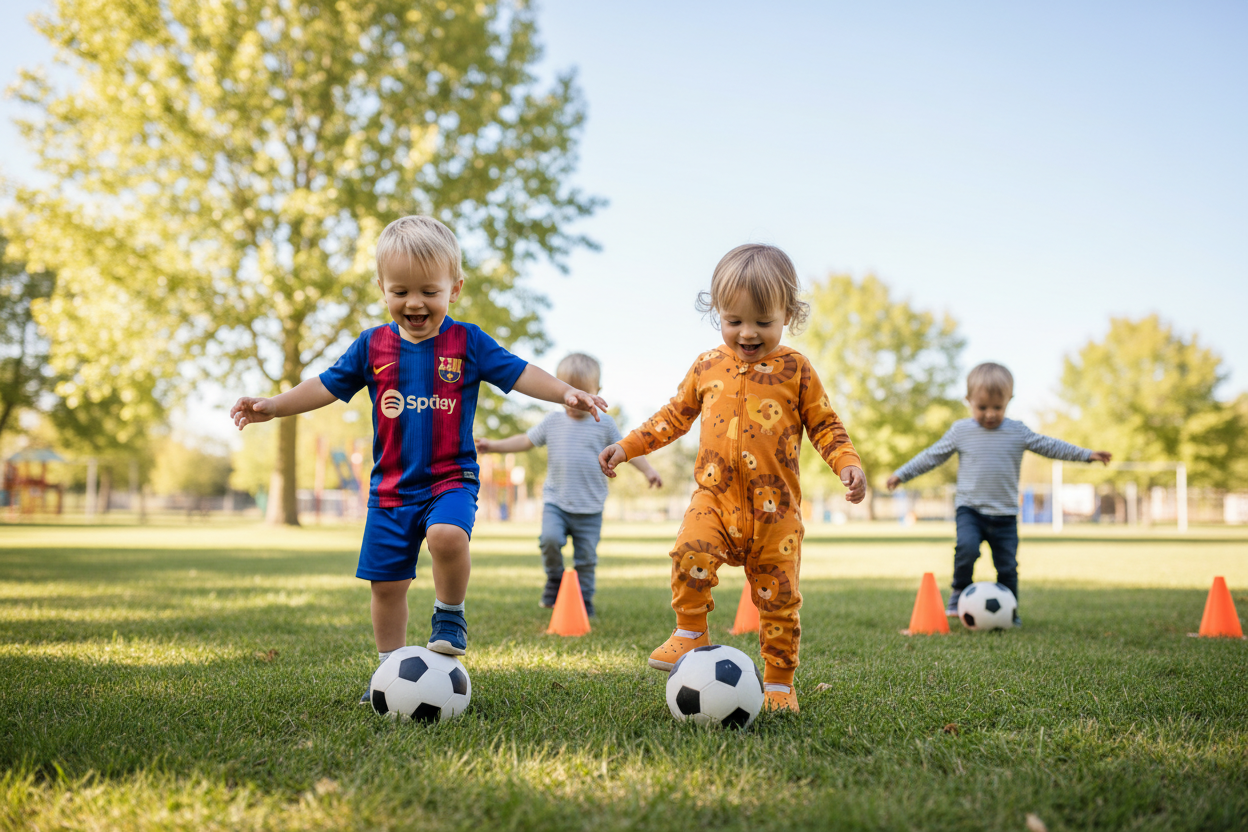
Watching your little one wobble toward a ball is a beautiful part of being a parent. I love seeing that spark of joy when they finally kick it without tumbling over. It makes every moment in the backyard worth it.
Creating a strong foundation in youth soccer starts long before the first goal. It begins with physical literacy and the confidence to move freely. This steady growth allows them to enjoy the game without frustration.
Before mastering specific skills, kids need to jump and run safely. My guide walks you through simple ways to improve footwork through natural play. These stages happen at their own pace.
We use fun games to help toddlers gain coordination in a pressure-free environment. You will find that these activities feel like play rather than structured drills. It is all about building a happy connection to movement.
Focusing on balance early helps your child play with pure happiness. You do not need fancy gear or expensive setups to start. Just bring your patience and an encouraging spirit for some lighthearted fun!
Key Takeaways
- Physical literacy provides the base for all future athletic movement.
- Stability builds confidence long before children learn complex rules.
- Growth happens in natural, stress-free stages for every child.
- Simple backyard games are the most effective teaching tools available.
- Expensive equipment is never required for effective home practice.
- Consistency and patience help children discover the joy of movement.
Why Balance Matters in Soccer for Young Children
I want to share why balance is the secret ingredient that makes every soccer movement possible for your toddler. It is much more than just staying upright while standing still in the grass. For a young child, it means having the physical literacy to run, jump, and change directions quickly without falling.
Good balance helps your child stand on one foot to kick a ball with power and accuracy. Without this skill, simple actions like stopping a rolling ball become very frustrating for young kids. I have often seen that when children feel steady on their feet, their ball control improves naturally and quickly.
| Balance Skill | Impact on the Field |
|---|---|
| Single-leg stability | Enables better kicking |
| Quick weight shifts | Improves agility and speed |
| Core control | Reduces frequent falls |
This physical ability also builds your child’s confidence to try new and exciting challenges on the field. It enhances their general coordination, which directly affects how well they interact with the ball. A strong sense of balance serves as the vital foundation that supports all other soccer skills as your child grows.
When toddlers develop these physical skills early, they enjoy soccer much more and stay engaged with the sport longer. You are helping them move confidently and competently in a wide variety of fun physical activities. I love seeing parents support this growth because it makes the game rewarding for the little ones!
Understanding Your Toddler’s Physical Development
I love seeing how young children discover their physical abilities through simple daily movements. Their bodies grow and change at a rapid pace during these early years. You will notice your child becoming more coordinated as they explore the world around them.
This natural growth lays the foundation for all future soccer skills. Every climb at the park or walk on the sidewalk prepares them for the field. I want to help you understand how these physical shifts turn into soccer success.
| Age Range | Key Milestone | Soccer Application |
|---|---|---|
| 2 Years | Stands on tiptoes | Reaching for a high ball |
| 3 Years | Stands on one foot | Preparing to kick the ball |
| 4 Years | Hops and jumps | Changing direction quickly |
Physical Milestones That Support Balance
Between ages two and four, your child hits several important milestones. They start to walk up stairs and jump with both feet. These movements require steady nerves and growing muscles to work together.
Your child is also learning how to manage their body weight. They are developing better spatial awareness while they play. This helps them stay upright when they move across the uneven grass of a soccer pitch.
I find that consistent play is the best way to hit these marks. Simple activities like walking on a painted line can boost their confidence. Each small step builds the physical foundation they need for the game.
The Connection Between Core Strength and Balance
Building core strength is the powerhouse behind your toddler’s ability to stay balanced while moving. It is not about having six-pack abs! Instead, it focuses on providing stability and control for young kids.
Strong stomach and back muscles help your child stand steady on one foot. This core strength also helps them recover quickly from wobbles or bumps. When the core is firm, balance becomes much easier for them to maintain.
I believe that focusing on the core early makes every soccer activity more enjoyable. It supports every kick, turn, and step your toddler takes during a match. Use these points to understand why this matters:
- Strong muscles in the belly and back help your child recover from wobbles.
- Building core strength early makes all balance activities feel like fun play.
- It provides the stability needed for every confident step on the soccer field.
- A solid core supports better coordination and movement control during drills.
Signs Your Toddler Is Ready to Work on Soccer Balance
Determining your toddler’s readiness for specific soccer drills involves watching their natural movements and excitement. I want to help you spot those cues so you can start at the perfect time. You should notice a natural curiosity about how balls move and roll.
Look for basic motor skills like running and kicking without falling down. If your child can stand on one leg for a second, they are doing great! These physical signs show they have the balance needed for basic footwork.
Emotional signs matter just as much as physical ones. Does your child stay calm when they miss a kick? You want to see a willingness to try new games and follow simple directions.
It is wonderful when they show excitement to play soccer with you. Many toddlers can focus for a few minutes at a time. This short burst of attention is perfect for practicing soccer skills that require balance.
| Readiness Area | What to Watch For | Why It Matters |
|---|---|---|
| Physical Skills | Running and stopping | Prevents falls during drills |
| Interest Level | Excitement for balls | Ensures they enjoy the game |
| Social Skills | Following instructions | Helps with learning new steps |
How Toddlers Develop Balance for Soccer: The Foundation Stage
Building a solid foundation starts with simple movements that challenge your child’s stability. I love seeing the look of pride on a child’s face when they finally hold their ground! During this early phase, we focus on helping your little one feel steady and secure.
I will help you guide them through these tiny moments of success that lead to big wins. We are setting the stage for every kick and run they will make in the future!
Step 1: Master Basic Standing Balance
Standing still sounds easy, but for a toddler, it is a massive workout for their tiny muscles. You can start by playing “The Statue” game in your living room.
I recommend having your child stand as still as a rock for three seconds. This builds their internal balance and helps them feel where their weight is centered. Once they master that, try the flamingo pose!
Ask them to lift one foot just an inch off the floor. This simple act builds incredible core strength and confidence. You’ll see their focus grow with every second they stay upright.
You are teaching their brain how to communicate with their feet. It is the perfect starting point for future soccer skills. Keep your praise high and the pressure low!
Step 2: Practice Walking with Control
Now that they can stand, we need to focus on walking with purpose. Controlled movement is the secret ingredient for any happy soccer player. I suggest placing a line of painter’s tape on your floor at home.
Have your toddler walk along the line without stepping off. This forces them to focus on foot placement. You can also vary the difficulty by changing where you practice.
| Surface Type | Grip Level | Balance Challenge |
|---|---|---|
| Short Grass | Medium | Moderate Challenge |
| Indoor Carpet | Excellent | Low Challenge |
| Tile Floor | Low | High Challenge |
You can also set up small pillows as obstacles to navigate. This helps them learn how to shift their balance while they are in motion. It builds the coordination they need to move around other players.
Try practicing a “Freeze!” command while they walk through the grass. Stopping on a dime teaches them how to keep their control instantly. These fun games strengthen the leg muscles they need to eventually kick a soccer ball!
Building Core Strength for Better Balance
Developing a sturdy center is the secret to helping your little athlete keep their footing. When I talk about the core, I mean the muscles in the stomach and back. These muscles act like a stable anchor for every soccer movement.
Strong muscles in the middle provide balance and coordination. This stability helps your child move with more control on the field. It also prevents them from falling when they try to kick the ball.
Simple Core Exercises for Toddlers
I love turning movement into a creative game for young children. You can use “animal walks” to build core strength naturally. Have your child crawl like a heavy bear or hop like a tiny frog.
Setting up a small obstacle course at home is another great idea. Use soft pillows for them to climb over or tunnels to crawl through. These silly challenges engage their stomach muscles perfectly.
| Activity | Muscle Group | Difficulty |
|---|---|---|
| Bear Crawls | Stomach and Arms | Easy |
| Frog Hops | Back and Legs | Medium |
| Pillow Climb | Full Body | Easy |
You will see their confidence grow as they get stronger. These activities prepare them for the physical demands of soccer. I find that simple tasks work best for this age group.
Making Core Work Fun Through Play
The best way to keep toddlers engaged is through imagination. I often suggest pretending to be superheroes saving the day. When children use their minds, they forget they are even exercising!
This approach makes the whole experience a lot of fun for everyone. You will discover that when you incorporate play, your child will ask to do these movements. They won’t even realize they are “working out” at home.
Creative play keeps them motivated and happy while they build strength. I have seen so many children improve their coordination just by being active. It makes the journey toward soccer success feel light and encouraging!
Step-by-Step Balance Activities Without the Ball
I love starting with body-only movements to help toddlers find their center of gravity. We want to build a solid foundation before adding the complexity of a ball. These simple exercises teach your child how to control their weight effectively.
One Foot Balance Drills
I often ask my little players to pretend they are flamingos. Standing on one leg is a huge milestone for a toddler! You can make this a game by seeing who can stay up the longest.
Try to encourage them to keep their arms out like airplane wings. This helps them find their balance naturally. If they wobble, just laugh and try again together.
Start with just two seconds and slowly build up the time. I find that daily practice makes a big difference. It builds the leg strength they need for kicking later on.
Hopping and Jumping Activities
Jumping is a fantastic activity to build explosive power and coordination. I like to place small markers or even colorful socks on the grass. Ask your child to jump over them like a hopping frog!
Landing is the most important part of this drill. Focus on soft landings with bent knees to protect their joints. This teaches them how to recover their center after a quick movement.
It prepares their little muscles for the sudden stops they will face during a match. You can also try hopping on one foot once they get comfortable. This adds a fun challenge to their routine.
Balance Beam Walking
You can easily create a DIY beam using colorful tape on your living room floor. I also find that low curbs or wooden planks in the backyard work perfectly. This type of walking on a narrow path builds incredible focus.
Make it exciting by pretending the floor is hot lava or they are crossing a deep river. This simple exercise strengthens their tiny ankles. It provides the balance your child needs for more advanced soccer movements later on.
Controlled movement is a great way to build confidence! I suggest doing this for five minutes a day. You will see their stability improve in just a few weeks.
| Skill Activity | Effort Level | Soccer Focus |
|---|---|---|
| Flamingo Stand | Beginner | Core Stability |
| Frog Hops | Intermediate | Leg Power |
| Narrow Path | Advanced | Ankle Strength |
Introducing the Ball: Balance and Coordination Together
Let’s combine those balance skills with the actual soccer ball to start building real coordination. Adding an object to the mix challenges your toddler in exciting new ways. It is wonderful to watch them figure out how to stay upright while touching the ball for the first time!
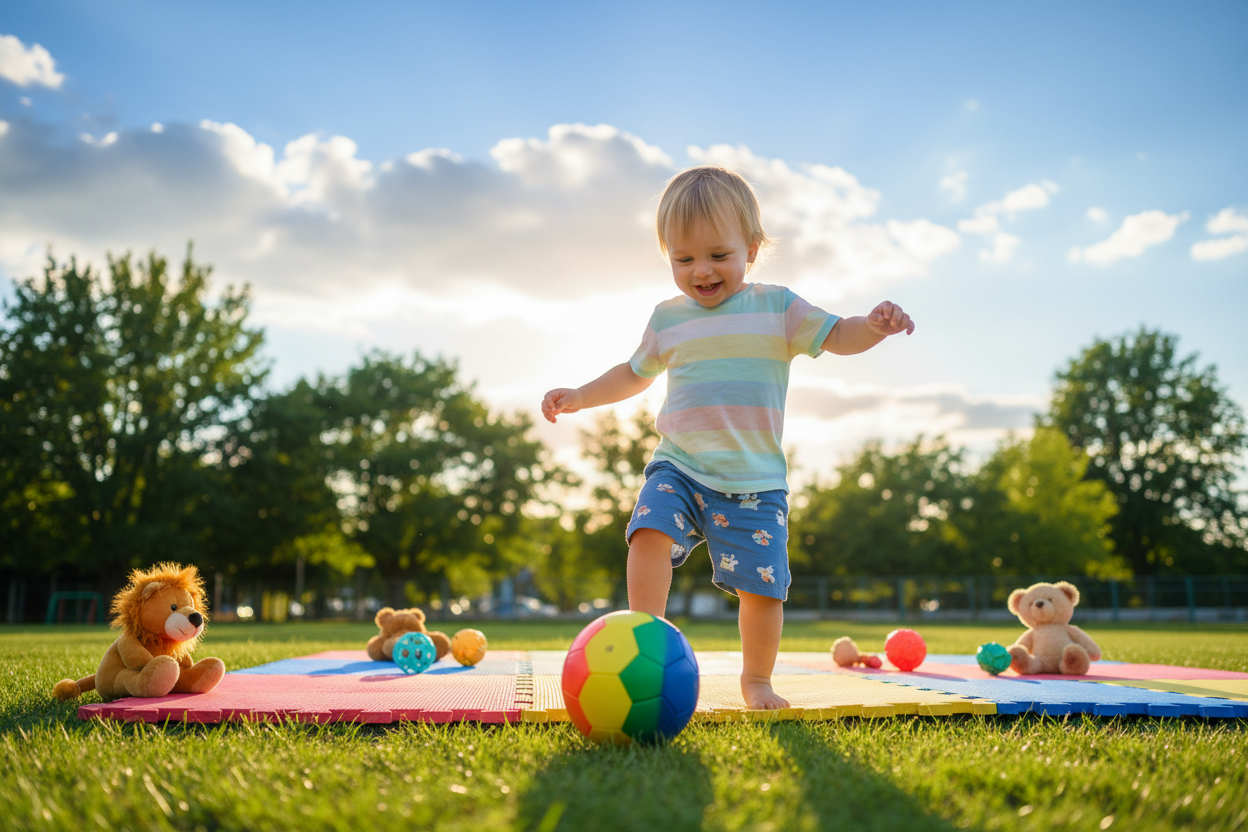
Standing with One Foot on the Ball
I like to start with simple toe taps to build confidence. Ask your child to place the sole of their foot on top of the ball. This action forces them to shift all their weight onto just one leg. It is a big test for their growing stability!
They might wobble at first, but that is a perfectly normal part of the process. Encourage them to use their arms like airplane wings for extra help. This simple position is the foundation for almost every other skill they will learn later on.
Gentle Ball Rolls and Balance Recovery
Next, try slowly rolling the ball back and forth with your hands. Your toddler must move their body to keep up with the movement. This builds a dynamic sense of control that static drills simply cannot match. It keeps their little minds and bodies engaged.
If they lose their balance, show them how to reset quickly with a smile. This teaches them how to recover and stay focused during play. Practicing these small movements builds the muscle memory needed for future games and general athletic growth.
| Activity | Main Benefit | Focus Area |
|---|---|---|
| Toe Taps | Single Leg Stability | Core Strength |
| Slow Rolls | Weight Shifting | Ankle Mobility |
| Sole Traps | Ball Mastery | Coordination |
Stopping the Ball with Foot Control
I will teach you how your toddler can practice stopping a slow-rolling ball with the bottom of their foot. This activity builds great balance because your child must stand on one leg while managing the ball. It is an impressive milestone for any young athlete!
This drill also improves the coordination between what their eyes see and what their feet do. You will discover that this simple skill is one of the first real techniques they master. Consistent practice leads to much better control over time as they grow.
- Encourage light touches rather than heavy stomps.
- Celebrate every time they successfully halt the movement.
- Keep the sessions short to maintain their natural enthusiasm!
Age-Appropriate Balance Drills for Soccer
I want to help you find the perfect movements that match your child’s natural physical milestones. Every child grows at a different speed, so I recommend keeping your expectations flexible. Using specific soccer games tailored to their growth ensures they stay happy and confident while learning.
Balance Activities for Ages 2-3
At this early stage, we focus mostly on basic body awareness and discovery. I love using “Animal Walks” because they encourage toddlers to shift their weight in fun ways. You can ask them to stomp like a heavy elephant or hop like a tiny frog to build leg strength.
Keep these activities very short and give plenty of high-fives for every effort. If they can stay on one foot for just a second, they are doing great! You are simply helping them feel safe and stable while they explore the grass.
Helping Your 3-4 Year Old Stay Steady
Now that your child is a bit more stable, you can introduce slightly more focused balance movements. I suggest trying “Stork Stands” where they try to hold a pose while you count to three. You can also place colorful markers on the ground for them to step over carefully.
This age group starts to understand how to stop their bodies suddenly. Practicing a “Freeze” game helps them learn to find their center of gravity after moving. You will notice their confidence grow as they realize they can control their own speed.
Advanced Skills for Ages 4-5
Children in these ages can handle more structured drills like dribbling slowly around cones. They are now able to kick a stationary ball with some accuracy and follow multi-step instructions. I often introduce light competition, such as asking, “Can you stay on one foot longer than me?”
You can also try standing on one foot while tossing a light ball back and forth. These older toddlers can practice for 5-10 minutes and enjoy more creative challenges. Combining balance skills with the ball prepares them for real game situations in a fun way!
| Developmental Stage | Main Focus Area | Top Game to Try |
|---|---|---|
| Toddlers (2-3) | Weight Shifting | Elephant Stomps |
| Preschoolers (3-4) | Controlled Stops | Freeze Dance |
| Young Players (4-5) | Ball Coordination | Cone Dribbling |
Fun Balance Games That Build Soccer Skills
I believe that play is the secret ingredient for teaching your toddler new physical skills. When we turn practice into a fun game, your child stays engaged and builds confidence quickly. These activities focus on body awareness while keeping the energy high and the pressure low!
Red Light Green Light with Balance Holds
This classic game is perfect for teaching your toddler how to stop and stay still. When you shout “Red Light,” encourage your child to freeze in a creative shape. You can ask them to hold their balance on their tiptoes or with one leg slightly lifted.
This simple pause builds the leg strength they will eventually need for kicking and passing. It turns a basic movement into a challenge they will love to repeat! I often find that making funny faces during the “freeze” makes the activity even more enjoyable.
Freeze Dance on One Foot
Put on some upbeat music and let your little one dance around the room with joy. Once you pause the music, everyone must freeze immediately on just one foot. This exercise improves core balance and teaches them how to recover after moving quickly.
I find that using their favorite songs makes this activity feel like a party rather than a lesson. Your toddler will enjoy the silliness while secretly working on their soccer foundation! You can increase the difficulty by asking them to switch feet every time the music stops.
Cone Weaving at Slow Speed
Setting up a simple line of cones helps your child learn how to navigate obstacles with precision. I recommend starting by having your toddler weave through the cones slowly without a ball first. This movement teaches them how to keep their control during quick direction changes and sharp turns.
As they get faster, you can introduce a ball to practice basic dribbling skills. You can even use a timer to turn the weaving into a friendly race for extra excitement! This activity combines movement and focus to prepare them for real match scenarios later on.
| Activity Name | Main Skill Focus | Equipment Needed | Difficulty Level |
|---|---|---|---|
| Red Light Green Light | Sudden Stopping | None | Beginner |
| Freeze Dance | Single-Leg Stability | Music Player | Intermediate |
| Cone Weaving | Directional Movement | Plastic Cones | Advanced |
How Dribbling Improves Balance Over Time
Learning how dribbling improves balance over time is a game-changer for parents watching their little ones grow. I love watching how this simple skill works wonders for a child’s coordination and physical confidence. Dribbling is one of the best balance builders because it requires constant, tiny adjustments while moving a ball with the feet.
Every step your toddler takes with the ball forces them to stand on one foot for a brief moment. This repeated action strengthens their core and teaches the brain how to stay steady. When children learn how to improve youth soccer skills, they see how practice improves balance through natural play. You will notice they become much steadier on their feet during every soccer session.
I always suggest starting with slow, controlled movements rather than fast running. Slow dribbling builds better balance than fast, wild kicking ever could! It trains the body to work together in real soccer situations. Your child learns to shift their weight properly while keeping their eyes on the target.
As your child’s skills grow, consistent practice improves balance and creates major physical improvements naturally. It is a beautiful cycle where better ball control leads to more stability and overall balance. You can trust that the time spent with the ball today builds a stronger athlete for tomorrow.
| Dribbling Stage | Physical Focus | Balance Benefit |
|---|---|---|
| Slow Touches | Weight Shifting | Core Stability |
| Stop and Go | Leg Strength | Static Balance |
| Turning | Coordination | Dynamic Stability |
| Obstacle Course | Agility | Spatial Awareness |
Finding the Right Soccer Program for Balance Development
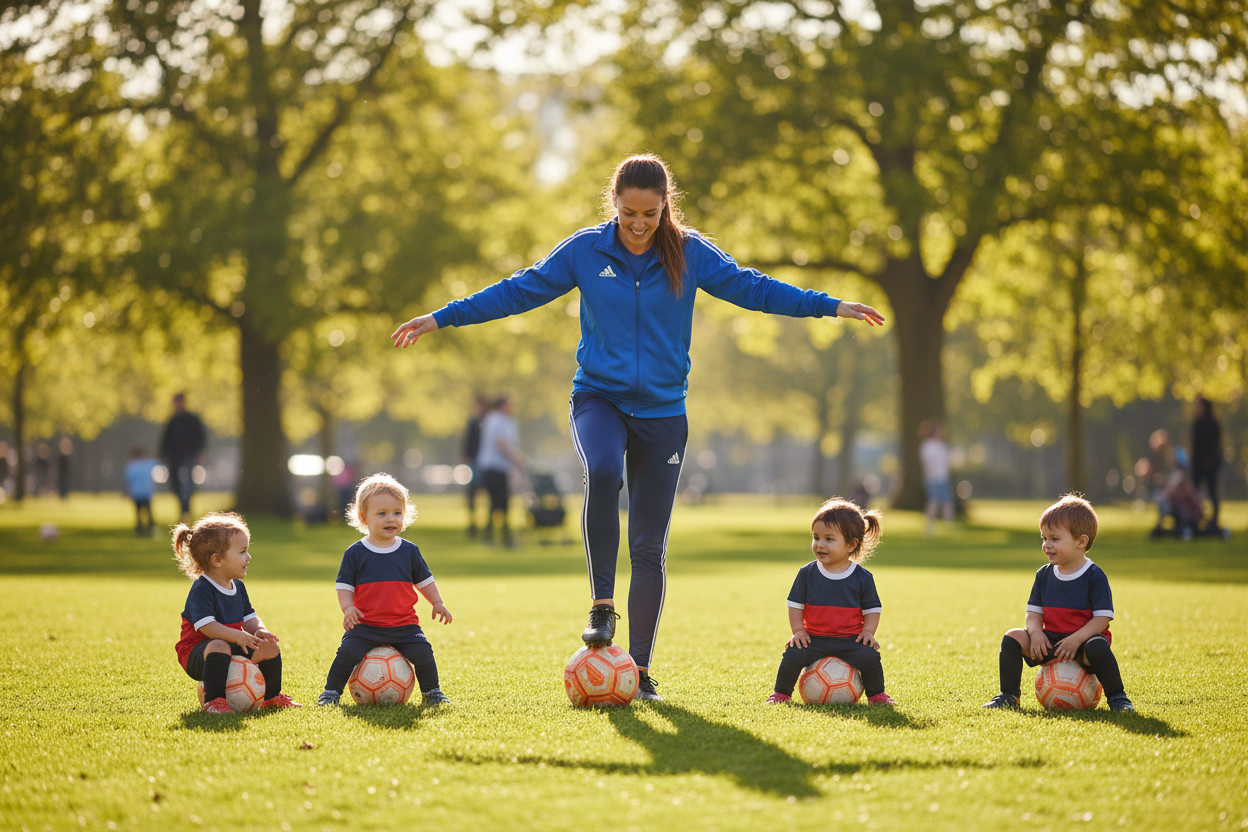
I want to help you find the best local classes that focus on your child’s physical growth. When you search for toddler soccer classes near me, look for youth soccer programs that prioritize playful development over winning.
I suggest looking for “Mommy-and-me” sessions or introductory soccer classes. These programs should emphasize fun through games that naturally improve balance and coordination. A great coach is essential for kids at this age.
You want someone patient and encouraging who understands that training should feel like playtime. I recommend asking coaches if they follow US Soccer guidelines. These suggest small-sided formats, like 4v4, which give your child more touches on the soccer ball.
Choosing the right youth soccer programs means finding a place where your child feels safe to try new things. I’ll help you identify what to look for in a soccer program that prioritizes balance development:
- Ask coaches about their specific approach to teaching fundamental movement and stability.
- Look for play-based programs rather than competitive leagues that might cause stress.
- Watch out for red flags, such as coaches who skip basic fundamentals or push toddlers too hard.
- Ensure the class offers a healthy mix of structured learning and free exploration.
- Pick a program that makes your child excited to attend every single week!
The right environment allows your toddler to grow at their own pace. When a child feels supported, they become much more confident in their physical abilities.
Equipment That Helps Toddlers Develop Balance
I want to share some simple gear that will make your practice sessions a total blast! You do not need a professional field to see great results with your little athlete. Setting up a small space at home works perfectly for daily play.
Using the right equipment helps your child feel safe and confident as they explore new movements. It provides the structure they need to stay focused while having fun. Let’s look at some basic items that make a huge difference in their growth.
Best Soccer Balls for Balance Training
Choosing the right ball is the first step toward success in every session. I always suggest using Size 3 soccer balls for toddlers and young children. These are the perfect size for tiny feet to manage without getting frustrated or overwhelmed.
Lightweight balls are much easier for toddlers to control while they move around. They are also much safer for various balance activities because they do not carry too much momentum. A lighter ball allows your child to focus on their body position rather than just the weight of the object.
Look for soft, foam-based, or high-quality synthetic materials that feel comfortable. When a child stops the ball with their foot, it should feel stable and predictable. This builds the confidence they need to try more difficult drills as they get older!
Cones and Balance Tools
Simple cones create wonderful markers for many different types of activities. I use them to set up weaving drills and clear targets for my young students. These tools help children visualize where they need to go and where they should stop.
You can also find great tools like foam pads, low balance beams, and colorful stepping stones. These items challenge their stability in a controlled and safe way. They are inexpensive and can be used both indoors and outdoors for year-round practice.
If you prefer not to buy gear, household items like tape or pillows work perfectly too! Use tape on the floor to create a narrow path or a soft rope to mark a line. These versatile items grow with your child’s balance skill level and keep the games exciting every single day!
| Equipment Item | Primary Benefit | Skill Developed |
|---|---|---|
| Size 3 Soccer Ball | Perfect fit for small feet | Foot Control |
| Plastic Cones | Visual markers for drills | Spatial Awareness |
| Foam Balance Pads | Challenges core stability | Ankle Strength |
| Floor Tape | Creates safe linear paths | Walking Stability |
Common Mistakes Parents Make With Balance Training
Avoiding common training pitfalls will help your child find their feet and love the game much faster. It is easy to get excited and want to see results quickly. However, pushing too hard or expecting perfect balance from a toddler often slows down their natural progress.
I have seen many families struggle with toddler soccer because they focus on the wrong goals. One of the biggest mistakes is prioritizing winning instead of physical development. Most well-meaning parents skip simple foundation work to rush into flashy tricks.
Constant correction from the sideline can make a child shut down instead of opening up. When you over-coach, you take away their chance to make decisions on the field. I see parents make this error when they shout every movement the child should make.
Training year-round without breaks often leads to physical and mental burnout. Young athletes need plenty of unstructured play to keep their energy high and their interest sharp. Patience and realistic expectations will help parents achieve the best long-term results for their athlete.
Comparing your toddler to other kids creates unnecessary pressure that kills the joy of learning. This pressure stops them from trying new things because they fear making a mistake. This table shows a better approach for parents during training.
| Common Training Pitfall | The Consequence | The Better Approach |
|---|---|---|
| Skipping Basic Skills | Poor physical balance | Focus on simple drills |
| Constant Shouting | No decision making | Encourage quiet play |
| Making Many Mistakes | Loss of confidence | Celebrate small effort |
Focusing on the fun of the journey will keep your child happy and healthy. Here is a quick checklist to keep in mind during your next soccer session:
- Avoid shouting instructions from the sideline to allow for creative play.
- Stop comparing your child’s growth to others because every child develops at a different pace.
- Never skip the basic balance exercises that build the core strength needed for the future.
Tips for Parents: Supporting Balance Development at Home
I want to show you how easy it is to help your toddler gain stability while having fun at home. You do not need a fancy gym or expensive gear to support your child’s physical growth. A simple soccer ball and a backyard wall are enough to start a great practice session today.
Just fifteen minutes of playful time three times a week makes a huge difference. You will see kids improve their balance within a single month! I recommend passing the ball back and forth in the yard to keep things moving and exciting. This simple practice routine builds a strong foundation for future soccer success.
| Day | Activity | Goal |
|---|---|---|
| Monday | Backyard Passing | Coordination |
| Wednesday | Wall Kicks | Control |
| Saturday | Park Play | Free Movement |
- Encourage both feet to ensure your child develops equal strength and stability.
- Watch soccer together and ask simple questions about how players move.
- Celebrate small wins to build confidence and keep the mood light.
- Avoid over-scheduling by leaving room for unguided play with friends.
Encourage your little one to use their non-dominant foot during each practice session. Parents should focus on having fun rather than seeking perfect technique. Your support as parents creates a pressure-free home environment where kids feel safe to try new things. Give them time to explore movement and find their own balance through creative play!
Conclusion
Building a solid foundation of balance is the secret to helping your toddlers enjoy soccer for years to come. I hope you feel ready to start this rewarding journey with your little player! Every small victory on the field brings them closer to physical success.
Remember that every child grows at their own individual pace. Your patience remains your greatest superpower during this physical development stage. Focus on celebrating small victories and playful activity rather than seeking immediate perfection.
Practicing these simple movements over time is an excellent way to help. You will see your child’s confidence grow as they successfully navigate new challenges. These daily activities build the balance and confidence required for future soccer skills.
Consistent engagement helps toddlers feel safe and resilient on their feet. You already possess all the necessary tools to support their soccer journey effectively. Let’s get outside and start building that balance today!